HMRC Reports £59.2bn Tax Gap for 2024-25
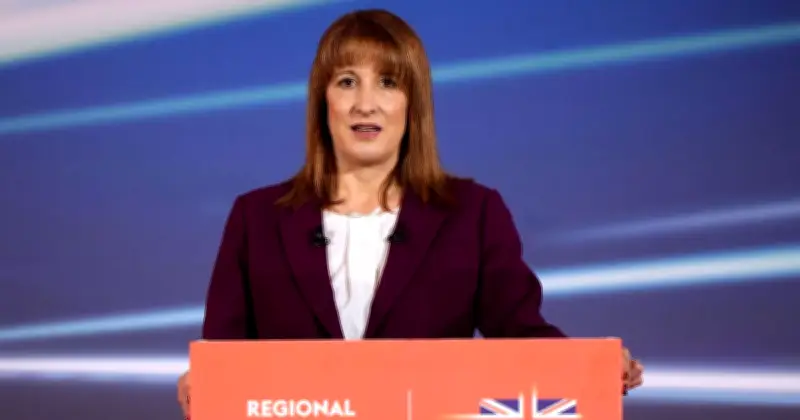
Chancellor Rachel Reeves faces renewed pressure after HMRC disclosed that £59.2 billion in taxes went uncollected in the 2024-25 financial year. This so-called tax gap—the difference between taxes owed and those actually paid—represents 6.4% of all tax due, meaning HMRC collected 93.6% of the £924.4 billion it was expected to receive.
The shortfall is nearly four times the annual cost of employing all police officers in England and exceeds the revenue raised by many of Labour’s recent tax increases. The disclosure comes as households and businesses grapple with a rising tax burden under the current government.
Small Businesses Bear the Brunt
According to provisional HMRC estimates, small businesses accounted for 62% of the missing revenue, equivalent to approximately £36.7 billion. Corporation Tax alone contributed £21 billion to the gap, with HMRC estimating that 44.6% of the Corporation Tax theoretically owed by small businesses was not collected.

Rachael Griffin, tax and financial planning expert at Quilter, commented: "Closing even a fraction of the £59.2 billion tax gap could play a meaningful role in supporting the public finances without the need for further headline tax rises. Improving how the system works in practice, particularly for small businesses and those newly entering self-assessment, may prove just as important as any changes to tax rates in the months ahead. Simplifying a tax system that continues to grow ever more complex should be high up on the to-do list."
Causes Beyond Deliberate Evasion
The £59.2 billion gap is not solely due to deliberate tax dodging. HMRC’s calculations include errors, carelessness, disputed interpretations of tax law, unpaid bills, avoidance, evasion, and criminal attacks on the system. Officials cautioned that the two most recent years are partly based on projections due to delays in obtaining complete data.
HMRC also urged caution when comparing the latest figures with previous years, as improvements in measuring small-business Corporation Tax losses have uncovered more non-compliance. Despite the record cash total, the tax gap remains below the 7.5% recorded in 2005-06.
HMRC Chief Executive Defends Approach
JP Marks, HMRC Chief Executive and First Permanent Secretary, said: "Today’s estimates reflect the changing world in which HMRC operates, where it is becoming more difficult to tackle non-compliance through traditional approaches alone. That is why our aim is a well-designed modern tax system that makes it easier to get things right first time and harder to get things wrong, and which allows us to respond effectively to non-compliance and tackle criminal activity. Measuring the tax gap helps us track long-term trends, which influence our policies and compliance strategy, allowing us to focus our efforts in the right places. In 2024-25, we collected and protected a record £48 billion in compliance yield. This is money that would have gone unpaid without our intervention."
The scale of the losses piles pressure on Chancellor Reeves as the government faces mounting criticism over its tax policies. HMRC acknowledged significant uncertainty surrounding parts of the calculation but stated that the figures represent the best estimates available.