Robot Slicers and Smart Kitchens: How German Doner Kebab is Battling Rising Costs
In the face of escalating operational expenses and a discerning consumer base, German Doner Kebab (GDK) is turning to cutting-edge technology to secure its future. The British-owned fast-food chain, which operates 155 outlets across the UK and nearly 40 internationally, is implementing robotic kebab-shavers, self-service screens, and loyalty apps to enhance productivity and appeal to younger diners.
Survival of the Fittest in a Tough Market
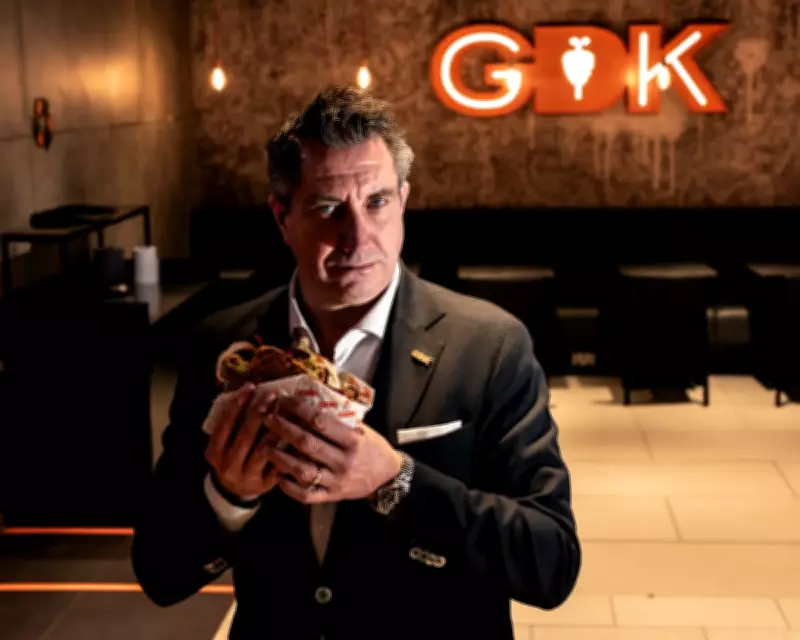
Simon Wallis, CEO of GDK, describes the current climate as "survival of the fittest." With households increasingly cooking at home to save money, and restaurants grappling with surging energy bills, business rates, national insurance contributions, and hourly pay increases, profit margins are under intense pressure despite rising menu prices. Labour costs have had the most significant impact, prompting GDK to innovate aggressively.
The company, based in Glasgow and serving chicken, beef, and vegetarian kebabs alongside burritos and rice bowls, aims to open 25 new UK sites this year. Long-term ambitions include expanding to 900 outlets worldwide. Wallis attributes this growth confidence to operational tweaks that have reassured franchise partners, who are crucial to the brand's expansion model.

Technological Innovations Driving Efficiency
At the forefront of GDK's strategy is a robotic kebab-shaver, trialled at its Bedford outlet and slated for wider installation. This device automatically slices meat from vertical rotisseries, reducing labour hours and ensuring more precise, consistent cuts than human counterparts. Additionally, equipment that preheats bread to shorten toasting time and a central kitchen for signature sauce preparation are streamlining operations.
Self-service screens, now present in at least three units per restaurant and accounting for two-thirds of transactions, further cut staffing needs. Wallis's "smart kitchen" redesign includes removing barriers between kitchen and counter, allowing single staff to prepare and serve during quiet periods—a nod to traditional takeaway efficiency.
Ownership and Strategic Shifts
GDK is backed by True Capital, a British investment firm that acquired a 60% stake last year from Hero Brands, controlled by Athif Sarwar. Hero Brands originally purchased the chain in 2015 from founder Farshad Abbaszadeh, who launched the first outlet in Dubai in 2013, importing German-style doner kebab concepts. The current owners are supporting investments in a loyalty app to incentivise dine-in visits over less profitable delivery orders, which, despite a 10% sales increase last year, incur hefty fees from platforms like Deliveroo and JustEat.
Targeting Gen Z with Health and Trends
To attract younger consumers, GDK is introducing healthy and trendy menu options. Currently, 57% of the menu complies with HFSS (high in fat, salt, or sugar) advertising restrictions, with plans to reach 66%. The chain is also launching dine-in-only promotions and using geolocation technology to identify regenerating high street areas. Wallis dismisses concerns about appetite-suppressing drugs affecting sales, noting that GDK's focus on Gen Z makes it "a bit immune" compared to older demographics.
In outlets like the bustling St Martin's Lane location in London, edgy dance music and social media-driven flavours, such as an extra-spicy kebab, aim to create a vibrant atmosphere. Wallis emphasises that in an era of cost-of-living pressures, consumers are more selective, and GDK must prove its worth. By blending technology with targeted marketing, the chain is striving to stay ahead in a competitive and evolving fast-food landscape.