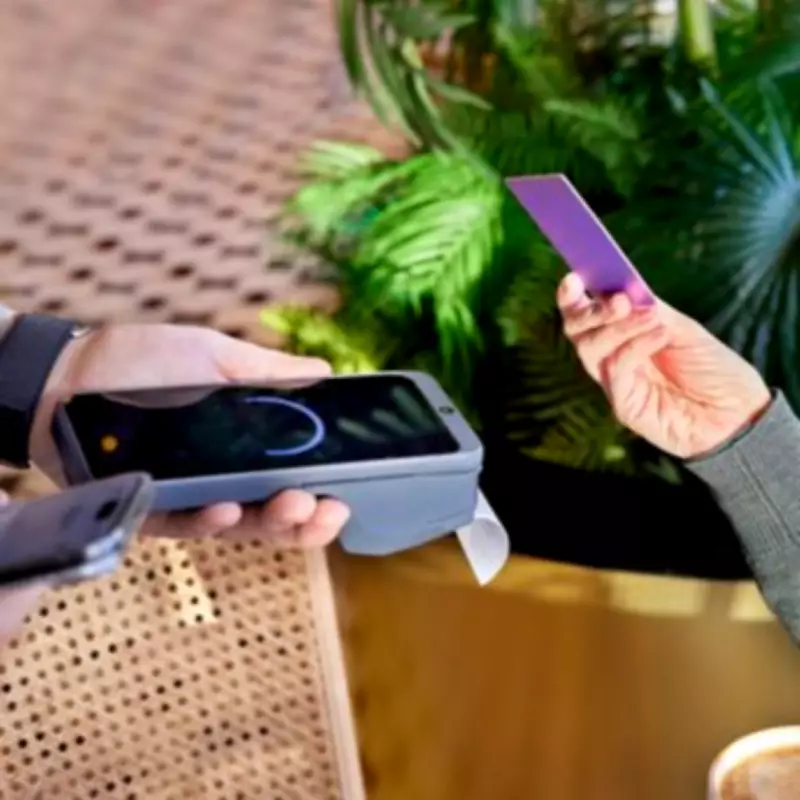
Significant changes to contactless payment regulations in the United Kingdom are set to take effect from March 19, 2026, impacting all cardholders across the nation. The Financial Conduct Authority (FCA) is implementing new rules that will permit financial institutions to establish higher contactless transaction limits than the current £100 ceiling, should they choose to do so. This move aims to provide firms with greater flexibility to adapt to evolving consumer demands, inflationary pressures, and advancements in payment technology.
Current Banking Practices and Customer Control
In anticipation of these regulatory shifts, the star ratings website Defaqto conducted a comprehensive analysis of high street and online-only banks in February 2026. The research examined 31 banks and building societies, uncovering considerable variation in the money management features currently available to customers through banking applications.
The analysis revealed that only 13 of the 31 institutions (42%) currently allow customers to determine their own contactless card spending limit. However, a more encouraging 21 providers (68%) do permit users to temporarily freeze contactless payments through their digital platforms.

Expert Commentary on the Changes
Katie Brain, a banking expert at Defaqto, emphasized the importance of these findings. "With the contactless cap being removed, choosing a bank or building society with the right in-app controls could make a real difference to how easily people manage their money," she stated. "Features like setting your own contactless limit or freezing payments give customers a practical way to put the brakes on spending if they need to."
The FCA and industry bodies are strongly encouraging financial firms to provide customers with enhanced control options, including the ability to set personalized contactless limits or completely disable the contactless function on their cards. Many major high street banks already offer such features, but Defaqto's research indicates implementation remains inconsistent across the sector.
Industry Response and Security Considerations
UK Finance, the leading banking and finance industry body, addressed the impending changes in December 2025. While the organization does not anticipate immediate alterations to the standard £100 contactless limit following the rule implementation, it has committed to careful consideration of any future adjustments.
"Any changes made in the future will be done carefully and ensure strong security and fraud controls remain in place," UK Finance affirmed. The FCA has similarly indicated that, based on industry feedback, most financial firms are expected to maintain the £100 threshold initially.
Importantly, existing consumer safeguards will remain unchanged under the new regulations. Customers will continue to be protected against unauthorized fraudulent transactions, with full refunds guaranteed in cases involving lost or stolen cards.
Defaqto's Recommendations for Financial Management
To help consumers maintain control over their finances amidst these regulatory changes, Defaqto has provided several practical recommendations:

- Monitor Upcoming Payments: Twelve of the banking apps reviewed allow users to view forthcoming direct debits and standing orders up to a selected future date. This feature helps account holders understand exactly how much money they will have remaining after scheduled transactions.
- Categorize Spending: Numerous banking applications automatically organize expenditure into predefined categories, with some even permitting users to create custom categories. This functionality simplifies the process of identifying spending patterns and potential areas for budget reduction.
- Consider Personal Contactless Limits: Where available, setting a personalized contactless spending limit can serve as an effective financial brake. This feature typically requires a PIN for larger purchases, encouraging more deliberate spending decisions.
- Activate Account Alerts: Balance notifications and real-time transaction alerts help keep individuals informed about money flowing into and out of their accounts. These notifications can potentially help users avoid overspending and detect unauthorized activity promptly.
- Restrict Specific Transaction Types: Some banking providers permit customers to block particular categories of payments, such as gambling transactions, through their mobile applications, via telephone banking, or during in-branch visits.
As the March 2026 implementation date approaches, UK consumers are advised to review their current banking arrangements and explore the money management features available through their financial providers. The regulatory changes represent both increased flexibility for financial institutions and greater responsibility for consumers to actively manage their payment preferences and security settings.