The European banking landscape is witnessing a dramatic and high-stakes confrontation as Italy's UniCredit intensifies its aggressive pursuit of Germany's Commerzbank, setting the stage for a monumental €35 billion takeover battle. This move directly challenges the German government's firm stance on preserving Commerzbank's independence, creating a significant geopolitical and financial standoff between two of the continent's major economies.
UniCredit's Strategic Escalation and Hostile Approach
UniCredit, headquartered in Milan, has methodically increased its stake in Commerzbank since initially acquiring a 9% share in September 2024. The Italian banking giant has now built this holding to just under 30%, a critical threshold under German takeover regulations. On Monday, UniCredit announced its intention to push beyond this 30% "cliff edge" through a proposed share swap, valuing Commerzbank shares at €30.8 each, which translates to a total enterprise value of approximately €34.7 billion.
The bank's leadership characterized this as a "sensible, pragmatic measure" designed to force formal merger discussions with Commerzbank's management and key stakeholders. UniCredit's board emphasized that their existing stake continues to be "significantly value accretive" regardless of the offer's outcome, demonstrating their confidence in the strategic rationale behind the acquisition.

German Government's Fierce Opposition and Historical Ties
The German government has responded with unequivocal resistance to UniCredit's advances, with former Chancellor Olaf Scholz denouncing the Italian move as "an unfriendly attack." Berlin's opposition stems from Commerzbank's crucial role as a primary lender to Germany's Mittelstand—the small and medium-sized family-owned enterprises that form the backbone of the national economy. The government maintains a significant 12% stake in Commerzbank following its €18.2 billion bailout during the 2008 financial crisis, giving it substantial influence over the bank's future direction.
A spokesperson for the German finance ministry reiterated last year that "the federal government supports Commerzbank's strategy of independence" and had clearly communicated this position to UniCredit. This protectionist stance reflects broader concerns about foreign control over strategic national assets and the potential disruption to Germany's economic ecosystem.
Commerzbank's Strategic Importance and Vulnerable Position
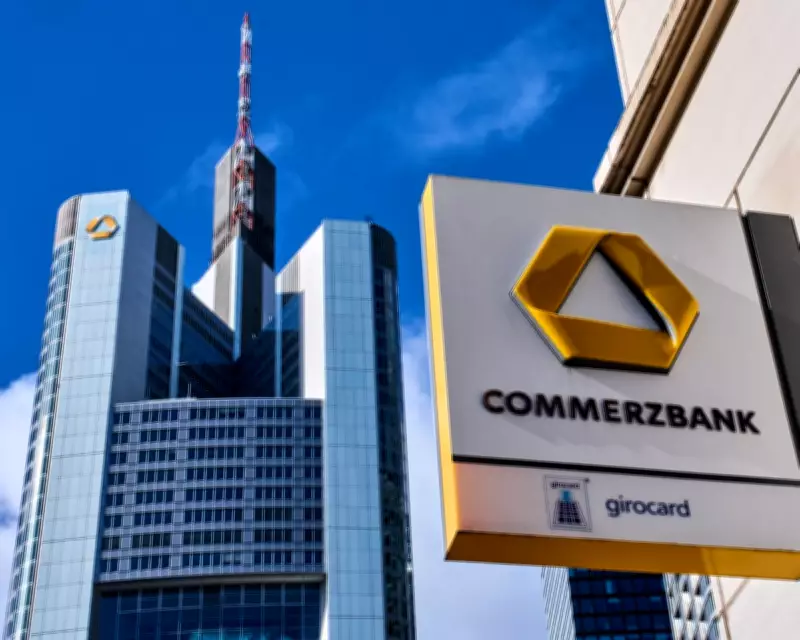
Founded in 1870, Frankfurt-based Commerzbank stands as one of Germany's oldest and most historically significant financial institutions, employing approximately 40,000 staff across 40 countries. Despite its venerable heritage and systemic importance, the bank has faced repeated takeover attempts in recent years, including a previously collapsed merger proposal with Deutsche Bank that highlighted its ongoing vulnerability to consolidation pressures within the European banking sector.
Commerzbank's share price responded positively to the takeover speculation, rising to €31.30 in early Monday trading following UniCredit's announcement. Other major investors in the German lender include asset management giant BlackRock, holding just under 6%, and Norway's sovereign wealth fund with approximately 3%, adding further complexity to the shareholder dynamics surrounding the potential acquisition.
Broader Implications for European Banking Consolidation
This confrontation represents more than just a bilateral dispute between Italian and German financial interests; it signals a potential acceleration of cross-border consolidation within Europe's fragmented banking industry. UniCredit, Italy's second-largest lender, has successfully returned to profitability following the global financial crisis and already maintains a German presence through its ownership of HypoVereinsbank, suggesting strategic ambitions for deeper integration within Europe's largest economy.
The Italian bank has indicated plans to formally launch its offer in early May, following a shareholder meeting where it will seek investor approval for the proposed transaction. This timeline sets the stage for several weeks of intense negotiations, regulatory scrutiny, and potential political maneuvering as both sides prepare for what could become one of Europe's most significant banking mergers in recent memory.

The outcome of this takeover battle will likely establish important precedents for future cross-border banking consolidation within the European Union, testing the balance between national economic sovereignty and the push for greater financial integration across the continent's single market.