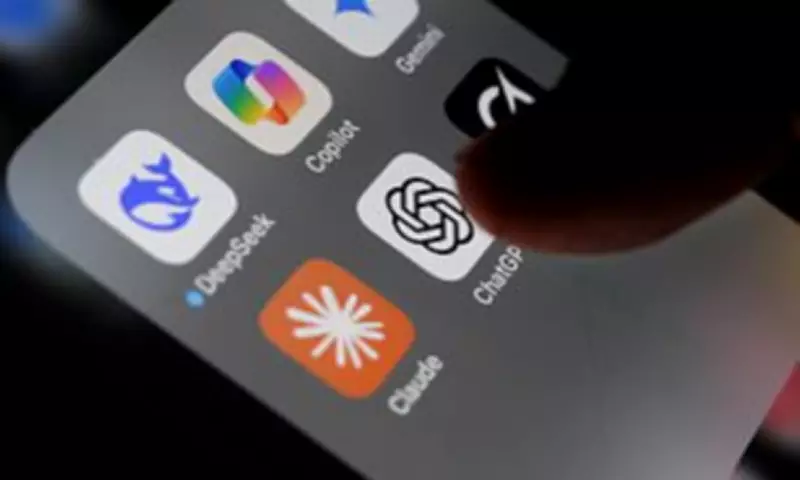
AI may still conjure images of robots taking over the world (or at least your job), but for many women, it has become something far more attractive: a money-saving assistant. From planning holidays and slashing grocery bills to organising family schedules and even acting as a free personal stylist, chatbots are quietly replacing a whole host of apps and subscriptions – and saving people thousands in the process. Here are the smartest ways people are using AI to save themselves cash – and exactly how you can do the same.
1. Meal Planning
Forget glossy recipe subscriptions that cost hundreds a month – one of AI's biggest money-saving talents is creating cost-effective meal plans. Using prompts like: 'Write me a healthy meal plan for two adults and two children. It has to be healthy and filling, and needs to cost less than £50,' you can get a chatbot to create a full shopping list and weekly menu for free. That is not the only way AI can help reduce the cost of your weekly food shop. You can ask chatbots to analyse online grocery listings and create meals based on discounted items, or ask them to review two different supermarkets to see where you will get your shopping cheaper. And when you are stuck with a load of ingredients expiring tomorrow, and are trying to avoid throwing out perfectly usable stuff? You can list them or snap a picture, and ask AI to make you a quick/delicious/easy recipe using as many up as possible. Estimated saving: ~£100 per month.
2. Fitness Plans
Take it from an avid gym goer – staying fit is an expensive hobby. With personal trainers charging anything from £30 to £100 a session, and fitness apps like Runna costing around £15 monthly, it is unsurprising many of us are switching to AI to create personalised workout plans and save some cash. Start by inputting details including your age, fitness level, goals and how often you realistically exercise, making sure you add in where you want to workout (do you have a gym membership, or are you after low-impact activities you can do in your living room?). Using this, AI can create anything from beginner-friendly Couch to 5k plans to strength programmes designed specifically for women. While it is obviously not a replacement for specialist coaching – do not try any wacky strength exercises you do not know how to do properly – it is an easy way to generate customised workout routines without the monthly cost. Estimated saving: ~£20 per month.

3. Travel Planning
We have all been there: you book a hotel, only to find the flights on your chosen days are for some reason triple that of the days surrounding. Well, no more. Savvy travel influencers on TikTok are using AI prompts like: 'Find me the cheapest week to fly to Greece in August,' or 'Where can I go from London for under £200 return next month?' to make sure they grab the best deals on getaways. Because AI tools can analyse masses of real-time data, it is perfect for suggesting the cheapest airports, identifying hidden savings through split-ticket routes, and predicting if prices will rise or fall in the run-up to your trip. That way, you can be sure to book the cheapest possible ticket at the cheapest possible time. And it is not just flights. Travellers are also asking AI to build entire itineraries complete with accommodation recommendations, restaurant suggestions and detailed daily schedules tailored to a specific budget. Basically, AI can do a lot of what expensive itinerary apps do – only for zero cost. Result. Estimated saving: ~£100-250 per trip.

4. Bill Cutting
For most of us, our main expenditure every month after rent or mortgage payment is bills. It is also an area many of us could actually slash our costs – if we could be bothered to go through the palaver of bartering with providers and scanning sites for the best deals. Using AI, users can input their current tariff and contract details into chatbots and ask them to compare deals and identify where they could save money. You can even summarise the small print on contracts, helping spot hidden fees, mid-contract price rises and expensive add-ons. It is also a great help for negotiating with providers directly. People are asking chatbots to draft complaint emails, create scripts for customer service calls and write cancellation messages designed to trigger retention offers from broadband and phone companies. Others use AI to identify which subscriptions they no longer use and calculate how much those forgotten monthly payments are costing over a year. Trust me: put in an hour's work, and you can end up saving a fortune. Estimated saving: ~£50 per month.
5. Career Help
You know all those adverts about getting your CV rewritten so it passes all screenings? What they fail to mention is a professional service usually costs upwards of £100 – and a session with a coach, even more. Instead, try uploading your CV and explaining the type of role you are after. Chatbots can help rewrite applications, improve LinkedIn profiles and tailor cover letters to specific jobs in seconds. Users are also asking AI to generate interview questions, improve awkward wording and even help draft salary negotiation emails before performance reviews. Obvious disclaimer: you need to reassess afterwards, and make sure things are phrased as naturally and humanly as possible. But arguably – and especially when more hirers are using AI to screen applicants anyway – AI can replicate some of the benefits of expensive career coaching services. Estimated saving: ~£100-£200 per month.
6. Interior Design
Interior design is one of those things we all think we are fantastic at – until the time comes to redecorate, and we have zero idea what to do. And given the average interior designer in the UK can charge hundreds just for a consultation, it is unsurprising homeowners are now turning to AI instead. Try prompts like: 'How can I make my living room look more expensive for under £300?' or 'What colour should I paint this north-facing bedroom?', which gets chatbots to act as virtual interior stylists. Some even let you upload pictures of your homes directly into AI, and create a mock up of how different furniture or colours would look. Estimated saving: ~£100-£500 per room.
7. Personal Styling
If your bank account has ever suffered after a 'quick browse' on Zara, this hack is one for you. You can basically use your chatbot as a free personal stylist – asking it to build capsule wardrobes and suggest outfits for certain events. The really useful part? You can upload pictures of clothes you already own and ask AI to create outfit combinations from them, rather than immediately buying something new. It is also great for hunting down cheaper alternatives to designer pieces or working out which trends actually suit your body shape. It is also surprisingly handy before holidays. Instead of panic-ordering six outfits 'just in case', users are asking AI to create packing lists and outfit plans based on the weather forecast and itinerary. Which, frankly, could save us all a small fortune. Estimated saving: ~£50-£200 per month.
8. Party Planning
Children's birthdays, hen dos, baby showers, weddings - modern life increasingly feels like one long, expensive event that you spend your life (and sanity) organising. Which is exactly why many people are now outsourcing the planning side to AI. Instead of paying for planners or spending hours scrolling TikTok for ideas, users are asking chatbots to generate entire party plans in seconds. Think themed food ideas, playlists, games, shopping lists, running orders and even printable treasure hunts for children. It is particularly useful for budgeting. AI can help work out how much alcohol you actually need for 30 guests (usually less than your panic-buy instincts suggest, unless you are inviting me) and create realistic timelines so you are less likely to end up paying premium prices for last-minute purchases. Basically: less stress, fewer impulse buys, and significantly lower odds of spending £80 on balloon arches at midnight. Estimated saving: ~£50-£500 per event.
9. Beauty and Skincare
The average skincare routine now costs roughly the same as a small utility bill, and many people are realising they have been buying products they do not actually need. Enter AI. Instead of blindly following TikTok trends, users are uploading photos of their skin and asking chatbots to help simplify their routines, identify duplicate products and suggest more affordable alternatives with the same ingredients. Others are using AI to decode baffling ingredients lists and work out whether a £90 serum is genuinely different from one costing £12. No, AI is not a dermatologist, and should not be used as one. But it is very good at stopping people panic-buying seventeen different acids because somebody on TikTok said they were life-changing – and great for skincare rookies who really need a basic explainer. Estimated saving: ~£20-£100 per month.
10. Family Organisation
Modern parenting now appears to involve approximately 700 WhatsApp groups and six colour-coded calendars – and there is always at least one forgotten PE kit. Which is exactly why frazzled parents are starting to use AI as a sort of free family PA. People are asking chatbots to create weekly schedules, chore charts, after-school routines and shared family calendars that actually make sense. Others use it to organise kids' activities, plan packed lunches for the week ahead or create realistic evening routines that do not involve everyone screaming at 7pm. Considering the extra money you can end up spending when the planning goes awry (next day delivery charges and emergency food purchases etc), it is a cheaper solution to creating a straightforward, easy to edit schedule keeping everyone on track. Estimated saving: ~£20 per month.
11. Selling Unwanted Stuff
Vinted, eBay, Facebook Marketplace… selling things online can genuinely make money, but it is also unbelievably tedious. My advice? Get AI to do the worst bits for you. Instead of staring blankly at a pile of clothes wondering how to describe a beige jumper, users are uploading photos and asking chatbots to write product descriptions and suggest pricing to help pieces shift. It is particularly useful for bigger declutters. Because AI can help identify higher-value items people might otherwise donate or throw away – particularly electricals – it can turn a clear-out into a surprisingly profitable exercise. Not bad for something most of us were putting off anyway. Estimated income: ~£50-£500 per clear-out.