Bargain-hunting Brits spend an average of four hours a week searching for discounts and special offers, according to a new study. Britons are spending an average of £621 a year on second-hand goods, with more than half (52 per cent) saying they have become more conscious of their spending amid ongoing cost-of-living pressures.
Books are the nation's most popular pre-owned purchase, bought by 41 per cent of shoppers. They are followed by T-shirts (30 per cent), jackets (27 per cent), shoes (26 per cent) and home accessories (26 per cent). More than a quarter (26 per cent) have also bought second-hand trousers, while furniture (25 per cent) and jumpers (24 per cent) remain popular choices.
However, many second-hand purchases fail to meet expectations. Almost nine in ten consumers (88 per cent) said they had been disappointed by a pre-owned item, with shoppers collectively reporting problems across an average of 10 purchases. The most common complaints include clothing arriving in the wrong size, experienced by one in five (20 per cent) shoppers and rising to 27 per cent among women. Others reported receiving damaged goods (16 per cent), dirty items (14 per cent) or products with missing parts (9 per cent). Meanwhile, seven per cent said they had bought books only to discover pages had been ripped out.

The findings come from a survey of 2,000 UK adults commissioned by The Motor Ombudsman as part of its 'WORN-WARN' campaign, which encourages motorists not to compromise on tyre safety.
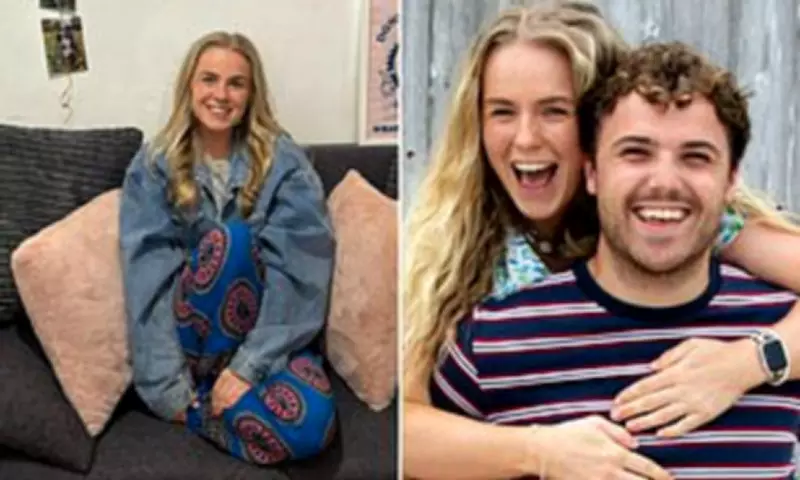
Georgia Elizabeth, 25, and her partner Jonny, 28, have become expert second-hand shoppers after saving thousands buying used items. The couple, from High Wycombe in Buckinghamshire, moved into their new home last year and quickly realised they could kit it out without spending a fortune. Overall, she has calculated that they saved around £8,000 by choosing second-hand items for their home, such as wardrobes, kitchen items and day-to-day essentials.
She said: 'The truth is, there's always so much stuff around. So many people are giving things away, either at a reduced cost or even for free, and someone else will often happily use them.'
Their second-hand habit now extends far beyond furniture. The couple regularly use online marketplaces and platforms to find clothes, shoes, homeware and items for special occasions. Before a ski trip to the Alps, Jonny needed a ski jacket and salopettes, so they searched online and found a matching set which would have cost around £250 new. It had been listed for £60, but after making a lower offer and initially hearing nothing back, the seller later sent them a counteroffer for just £1.
Georgia said: 'I think they just wanted to get rid of it. It was a great bargain. We went skiing for about a week, we've still got it now and we've used it since.'
Jonny also buys everyday basics second-hand, including plain T-shirts and jeans, because he says it makes more sense than paying full price for clothes that will get worn out. Georgia takes a similar approach to her own wardrobe. If she finds an item she likes in a shop, she notes the size, label and style, then searches for the same piece second-hand online.
She said: 'I can't justify paying £40 or £50 for a pair of jeans when I can find the same one for £10. You can go into six or seven shops, try things on, not like the colour and end up walking away with nothing. Online, if you set the filters properly, you can often find what you want instantly. It's more time efficient, more productive and more eco-friendly buying second-hand. Not only am I getting something I need, but the person on the other side is making money too. I can't see any reason why you wouldn't do it.'
The couple have also found designer-style boots for under £30, barely worn shoes, premium cookware, second-hand tech, dog items and kitchen essentials. Georgia says she now rarely buys anything brand new and believes it has been nearly two years since she last paid full price for something.
She said: 'There are tonnes of clothes in landfill, so why add to that problem? There is still a stigma around buying second-hand, and some people turn their nose up at it. But you can put clothes in the washing machine and they're as good as new. It's literally fine.'

Not every purchase has been a success. Georgia once bought a pair of second-hand dance shoes for £2 at a car boot sale, only to get home and discover the heels broke away in her hands. She said: 'It was like crumbling cheese. I only spent a few pounds, so I wasn't too out of pocket, but it was bizarre.' But for Georgia and Jonny, the occasional dud is worth it for the money they save and the pleasure of finding something useful. Georgia added: 'It's a good feeling. It's like accomplishing something. It gives you a thrill, because you've not broken the bank.'
A spokesperson for The Motor Ombudsman said: 'With the on-going cost-of-living crisis and added pressures on household wallets, it's no surprise that more Brits are looking for ways to save money, but not all second-hand buys are worth the risk. What might seem like a short-term saving, could come with hidden dangers, particularly for safety-critical items. If you are buying a higher ticket item, we'd always recommend doing your research and purchasing from a trusted retailer.'
To help steer shoppers up and down the country in the right direction when looking to bag a second-hand deal, The Motor Ombudsman has teamed up with thrift expert and influencer, Lola Amuah, to provide top tips for buyers.
Lola said: 'Over the years I've picked up a few habits that make second‑hand shopping so much easier. My biggest rule is to always check the label, the material and the brand, which makes such a difference. Once you start recognising good‑quality fabrics, you can spot the better pieces really quickly. I also never stick to just the women's section. Some of my best finds have been hiding in men's, kids or even homeware. Oversized jumpers and jackets are almost always better in the men's aisle. Before I buy anything, I look it over properly. Tiny stains, missing buttons or little holes are so easy to miss in the moment, and there's nothing worse than getting home and spotting damage later. I've also learned not to expect one huge haul. Charity shops and car boots are completely random; some days there's nothing, and then another day you'll find loads within ten minutes. Going regularly is the trick. And finally, I always think about quality, not just price. Just because something is cheap, doesn't mean it's worth buying. I'd rather spend a little more on a lovely piece that I'll use and keep.'
Lola recommends buying solid wood furniture second-hand, arguing that older pieces are often better made than modern alternatives and can be picked up for a fraction of the price. She also suggests looking for quality clothing and coats, saying shoppers can often find barely worn designer items at heavily discounted prices. Used cars also made her list, with Amuah noting that buying from a trusted retailer can provide a more affordable route into car ownership. Books, games, DVDs and CDs are also worthwhile purchases, she says, as they function just as well second-hand if they are in good condition. Baby items round out her top five, with parents able to make significant savings on products that are often barely used before being outgrown.
However, Amuah advises consumers to avoid buying mattresses second-hand due to concerns over hygiene and uncertainty about their condition. She also warns against purchasing safety equipment such as helmets and car seats, as hidden damage may not be visible. Part-worn tyres are another item she believes are not worth the risk, arguing that buyers cannot know their history or condition. Small electrical items, including heaters and chargers, should also be approached with caution due to safety concerns. Finally, she recommends avoiding very cheap fast-fashion clothing, saying such garments often show signs of wear quickly and may offer poor value even when bought second-hand.