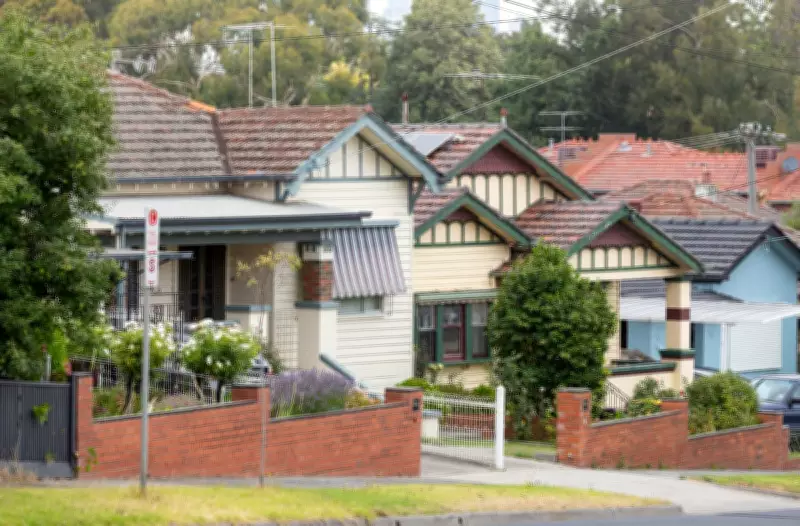
The recent decline in house prices across Australia's major cities, particularly Sydney and Melbourne, has sparked a crucial conversation about the role of housing in society. For too long, housing has been treated primarily as an investment vehicle, driving prices to unsustainable levels and locking many out of the market. This downward trend, while concerning for some homeowners, offers a silver lining: it signals a potential shift towards viewing housing as a basic human need rather than a speculative asset.
Why Falling Prices Are Good News
Falling house prices can be a positive development for several reasons. Firstly, they improve affordability for first-time buyers, who have been increasingly priced out of the market. In Sydney, the median house price has dropped by over 10% from its peak, making homeownership more attainable for younger generations. Secondly, lower prices reduce the risk of a housing bubble, which could have devastating effects on the broader economy. Thirdly, they encourage a more balanced market where housing is valued for its utility—providing shelter and stability—rather than its potential for capital gains.
The Human Cost of Overvaluation
The previous era of skyrocketing prices had tangible human costs. Many families were forced into long commutes, insecure tenancies, or overcrowded living conditions. The mental health toll of housing stress is well-documented, with anxiety and depression linked to unaffordable rents and mortgages. By contrast, a market correction can alleviate these pressures, allowing people to live closer to work, school, and community networks.

Policy Implications
Governments should seize this moment to implement policies that ensure housing remains affordable in the long term. This includes increasing supply through sensible planning reforms, curbing speculative demand with tax changes, and investing in social housing. The goal should be a housing system that serves everyone, not just investors.
In conclusion, while falling house prices may cause short-term pain for some, they represent a necessary correction towards a more equitable and sustainable housing market. It is time to embrace this change and build a future where housing is recognised as a fundamental right, not a commodity.