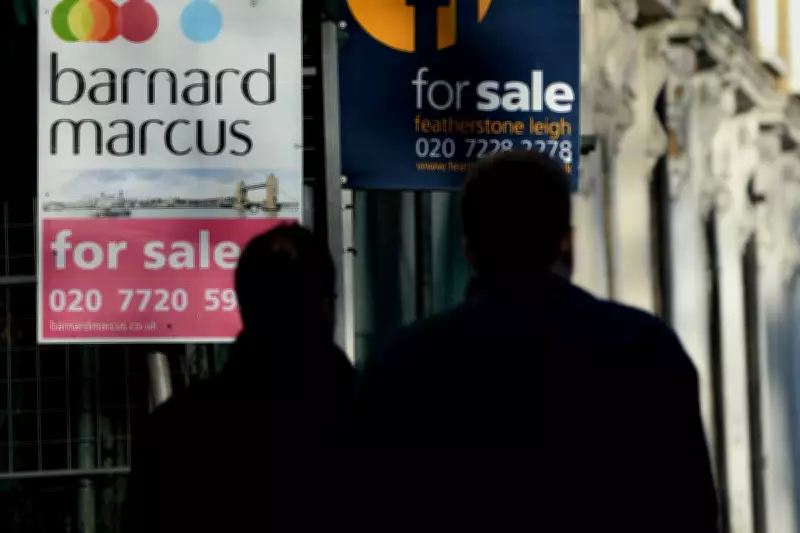
The housing market is stuttering, and that is fantastic news. Nationwide recorded the first monthly fall this year, with the average price dipping by 0.6 per cent month-on-month. While this may not seem exciting, it signals a potential shift in a market that has long been unaffordable for many young people.
Why Are Prices Falling?
The decline is driven by several factors. The war in the Middle East has shattered confidence, with geopolitical tensions causing uncertainty. A cold jobs market has further dampened demand. Buyers who are still willing to purchase are now playing hardball, knowing they have leverage. But the big question is: what happens if peace is secured? Some argue the market will rebound, but others are less optimistic.
Savills, the estate agent, has revised its forecast, now expecting average mainstream UK house prices to fall by 2 per cent in 2026, a sharp swing from its previous prediction of a 2 per cent rise. This is striking coming from an estate agent, who typically remain bullish.

The Problem with High Prices
Prices remain too high for too many first-time buyers, and without them, the market cannot function. In real terms, house prices are now broadly on par with where they were in 2003. Britain is hooked on rising house prices, with consumer spending, small business borrowing, and residential investment all tied to the housing market. As values fall, confidence and cash flow may crumble, but that is not necessarily a bad thing.
Young people are told that hard work and saving will be rewarded with homeownership. Yet affordability remains stretched, with many facing mortgages into retirement and lenders offering income multiples unthinkable a decade ago. Gen Z has been sold a pup. Theresa May once called home ownership 'the British dream', and while mocked, she had a point. Even after a small fall, prices are far too high.
The Housing Shortage
The root cause of high prices is a chronic housing shortage. The government promised 1.5 million homes by the end of the Parliament, but only 175,290 had been delivered by last November—half the annual rate needed. The construction sector's struggles are not getting the attention they deserve, but they are felt at the ballot box. The rise of populist movements on left and right is partly explained by the difficulty people face in securing a roof over their heads.
I want my children to own their own homes, but they face years of sky-high rents that restrict their ability to save for a deposit. So when I see prices falling, I am quietly cheering. The current economy is working against young people on multiple fronts. They need a break.