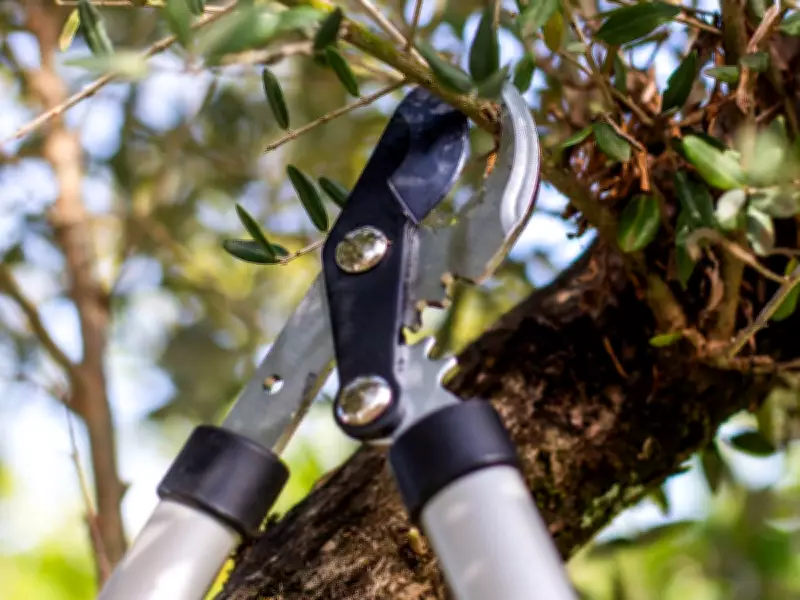
As summer arrives and we spend more time outdoors, it can be frustrating when a neighbour's tree encroaches on your garden, blocking sunlight and disrupting your space. However, there is a specific legal process you must follow to trim it back without sparking a row.
What You Are Allowed to Do
Gardening expert Michael Griffiths has shared essential advice for homeowners dealing with this issue. In a viral video, he explained the only circumstances under which you can cut back a neighbour's tree. First, always try talking to your neighbour—they may be willing to sort it out amicably. If they are not interested, you can handle it yourself, but you must first check if the tree is protected.
Protected trees may be located in a conservation area or have a Tree Preservation Order (TPO). If the tree is not protected, you can cut anything that overhangs your side up to the boundary line. However, you cannot jump the fence and cut the trunk. Additionally, you cannot simply throw the branches back into your neighbour's garden; you must offer them to the neighbour, and if they refuse (as most do), you must dispose of the cuttings yourself.

Key Legal Points
- You can trim branches or roots that cross into your property, but only up to the boundary line.
- Never remove a protected tree without proper permission from your local council.
- After trimming, you must return the cuttings to the neighbour or dispose of them yourself.
- Check for nesting birds and bats, as all nesting birds are protected by law in the UK.
What to Do If the Problem Persists
If a friendly resolution fails and the tree continues to cause issues, you can approach your local council for assistance. In more serious cases, you may need to seek legal advice. The UK government website states: "You can trim branches or roots that cross into your property from a neighbour's property or a public road. You can only trim up to the property boundary. If you do more than this, your neighbour could take you to court for damaging their property."
Additional guidance is available on the government website to help you navigate the rules and avoid disputes.