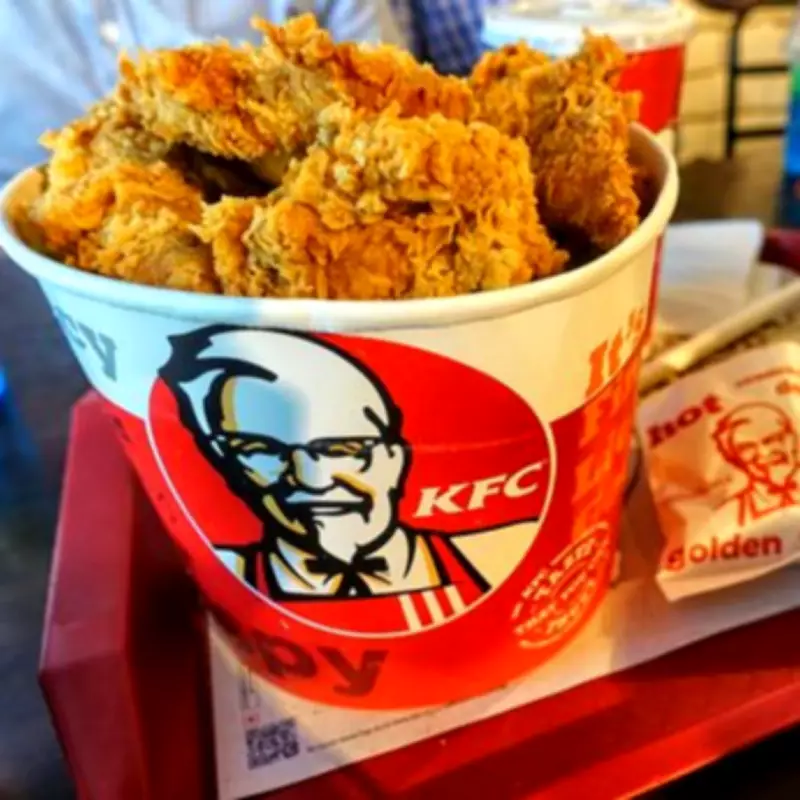
Major Fast-Food Chains Abandon Chicken Welfare Pledge
The owners of KFC, Nando's, Burger King, Wagamama, and other prominent food chains have officially withdrawn from their commitment to stop using fast-growing chickens. This decision has ignited fierce criticism from animal welfare campaigners, who argue that the companies are betraying both animals and consumers who expect higher ethical standards.
Backlash Over Broken Promises
Eight major food companies have sparked significant backlash after abandoning the science-backed Better Chicken Commitment (BCC). This framework, informed by over 150 independent scientists, was designed to drive higher welfare standards across the food industry. Campaigners have slammed the move, claiming it lets down "a nation of animal lovers" and prioritizes financial interests over animal well-being.
In response, the companies have announced the formation of the Sustainable Chicken Forum (SCF), which they say aims to improve chicken welfare while balancing environmental concerns and supply chain pressures. However, this new forum notably excludes the BCC's key policy of transitioning away from fast-growing breeds to slower-growing ones, which are known to have better welfare outcomes.

The Frankenchicken Controversy
Fast-growing meat chickens, often referred to as "frankenchickens," are prone to severe health issues including lameness, higher mortality rates, and muscle disorders. The BCC's requirement to adopt slower-growing breeds was intended to address these problems, but the companies argue that this shift would hamper environmental efforts and exacerbate supply shortages.
UKHospitality, the trade body representing these businesses, stated that focusing solely on slower-growing breeds—which constitute a small percentage of UK production—would increase greenhouse gas emissions, require more water, and reduce poultry production across Europe. This, they claim, would add to existing pressures on UK and global supply chains, particularly amid soaring consumer demand for chicken.
Industry and Campaigner Perspectives
Allen Simpson, chief executive of UKHospitality, emphasized the need for consistent supply chains while improving welfare standards. "Our restaurants and food-to-go brands are critical parts of the high street," he said. "Consumer demand for chicken continues to soar, but this comes at a time of acute supply pressures. Operators must ensure secure supply chains while cutting their environmental impact."
However, animal welfare groups have challenged this reasoning. Connor Jackson, chief executive of Anima International, asserted that the decision is "about money and nothing else," calling other explanations "BS." He highlighted that frankenchickens represent the most serious animal welfare problem in the UK, and abandoning commitments undermines progress.
Tracey Jones, director of food business at Compassion in World Farming, dismissed claims that higher welfare breeds would compromise food security or environmental outcomes as "unfounded." She noted that BCC-compliant chicken is available and supply is increasing, urging the food service sector to capitalize on this rather than retreat.
Claire Williams, campaigns manager at The Humane League UK, accused the companies of creating the Sustainable Chicken Forum as a "welfare-washing, PR-stunt" to deflect criticism. She argued that the forum allows these billion-pound companies to claim they are doing enough while continuing to use birds that suffer from lameness and other health issues.
List of Companies Involved
The eight companies, which collectively own or franchise 18 brands, include:
- BKUK Group Limited (Burger King)
- Lemon Pepper Holdings (UK franchisee of Wingstop)
- Loungers UK Limited (Brightside Roadside Dining, Cosy Club, Lounge Cafe Bars)
- Nando's UK & IRE
- PLK Chicken UK Ltd (Popeyes)
- The Big Table Group (Banana Tree, Bella Italia, Las Iguanas, Frankie & Benny's)
- The Restaurant Group (Bar Burrito, Brunning & Price, Wagamama, trgc)
- Yum! Brands (KFC UK & Ireland, Pizza Hut UK, Taco Bell UK)
This development underscores the ongoing tension between commercial interests and ethical standards in the food industry, with campaigners vowing to continue pushing for higher welfare practices despite the setback.