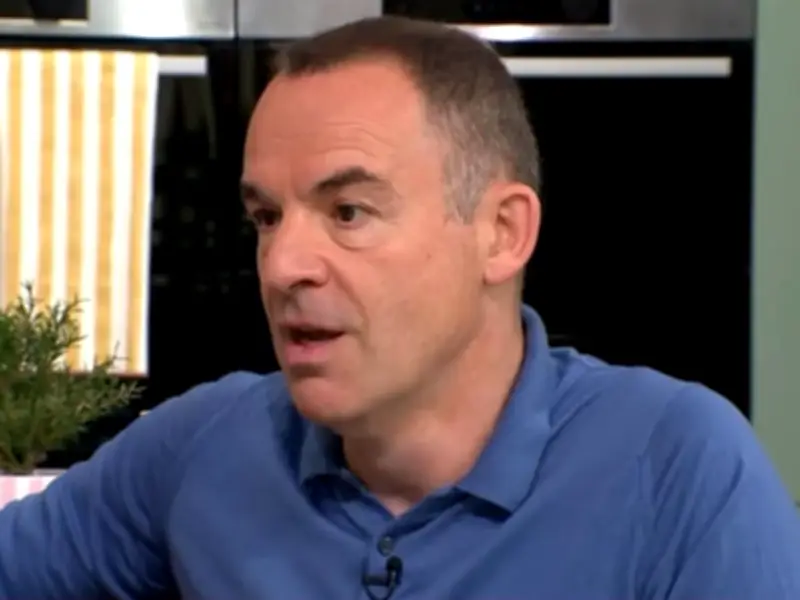
Martin Lewis has issued a stark warning to UK drivers about potential 'price gouging' at fuel forecourts, urging motorists to remain vigilant as oil prices decline following a temporary ceasefire between Iran and the US. Price gouging, defined as companies taking advantage of a situation to charge excessively high prices for essential goods, is a concern Lewis highlighted on social media.
Oil Price Drop and Fuel Price Lag
Crude oil currently sits at $73 per barrel, down from a peak of $110 during the conflict. Pre-war levels were around $67, with typical prices near $60. Lewis noted that while oil prices have fallen, it often takes weeks for reductions to reach forecourts. 'Now is the time to watch for price gouging. It normally happens when prices drop after a peak, not a rise,' he said.
The reopening of the Strait of Hormuz after the ceasefire has allowed more oil tankers to traverse the critical waterway, which handles approximately 20% of the world's oil. The benchmark oil price has tumbled by nearly $50 a barrel since hostilities ended.

Fuel Price Surge During Conflict
According to the RAC, petrol prices surged by 20% to 159.53 pence per litre at their peak during the conflict. Diesel reached a high of 191.54 pence on April 25, a 19% rise since the start of hostilities. The lag in price reductions at forecourts is attributed to how retailers purchase fuel supplies.
Gordon Balmer, executive director of the Petrol Retailers Association, explained: 'There are some operators who work on a daily basis, while others buy on a weekly, fortnightly or a three-week lag.' This means price drops may not be immediate for all stations.
Future Price Predictions
The AA anticipates that fuel prices will continue to decline if the ceasefire holds. Simon Williams, the RAC's head of policy, stated: 'Drivers can now expect to see the average pump price of petrol drop below 150 pence in the next week or so, while diesel should drop back under 170 pence.'
Pre-conflict, petrol averaged 132 pence per litre and diesel 141 pence, according to RAC figures. Lewis's warning serves as a reminder for drivers to monitor prices and report any suspected gouging.