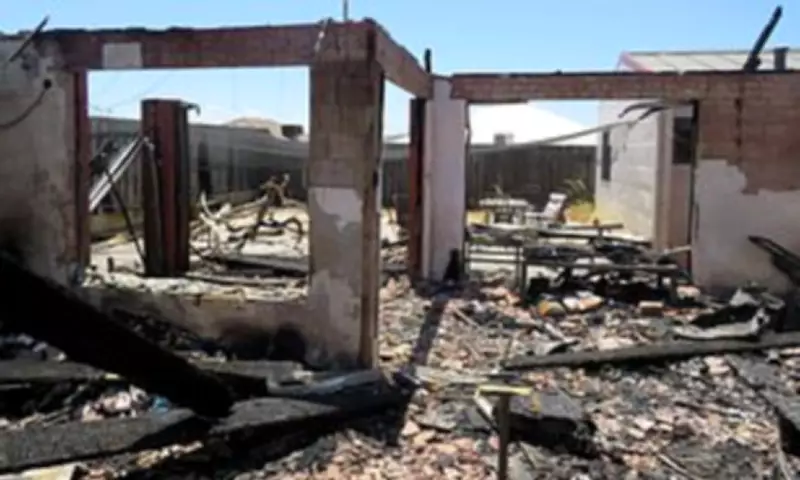
A stark warning has been issued to millions of Australian households, highlighting the severe fire risks associated with improper battery disposal. New data reveals that half of all households are still discarding batteries with their regular rubbish or recycling, endangering waste workers and collection vehicles.
Alarming Disposal Habits Persist
The B-Cycle battery stewardship scheme raised the alarm on Tuesday, coinciding with post-Christmas clean-ups that typically uncover numerous depleted batteries. Their annual Positive Charge report found each Australian home stores an average of 11 used batteries, creating a significant potential hazard.
Despite more than half (56 per cent) of households being aware of the dangers, nearly half (49 per cent) continue to dispose of used batteries in household waste. This dangerous practice has already contributed to devastating consequences, including home fires ignited by lithium batteries.

Recycling Progress and Geographic Disparities
The organisation reported recycling more than 3.3 million kilograms of batteries during the last financial year, collecting 18.5 per cent of available batteries—a slight increase from 17.6 per cent in 2024. However, recycling rates vary dramatically across states and territories.
Households in New South Wales and Victoria lead the nation with recycling rates of 30.5 and 27.6 per cent respectively. Queensland and Western Australia follow with 15.8 and 14.3 per cent, while the Northern Territory trails significantly at just 0.4 per cent.
Lithium Batteries Amplify Fire Risks
The growing popularity of lithium-based batteries has substantially increased fire hazards. These powerful batteries, commonly found in e-bikes, e-scooters, and power tools, present particularly serious risks when damaged or improperly discarded.
A 2024 study by recycling and waste organisations estimated batteries cause between 10,000 and 12,000 fires annually across Australia. Post-Christmas clean-ups are expected to reveal more depleted batteries that could ignite if crushed in collection trucks.
Industry Participation Lags
The report revealed concerning gaps in industry participation. Only three per cent of e-bike companies and 65 per cent of power tool firms currently participate in the recycling scheme, leaving many potentially hazardous batteries outside proper disposal channels.
B-cycle chief executive Libby Chaplin expressed concern about the situation, telling AAP: 'Fortunately, we haven't had any serious injuries in the waste and recycling sector yet but it's only a matter of time.'
Call for Regulatory Action
The organisation has called for more states to regulate e-bike and e-scooter battery recycling, following New South Wales' lead. The NSW government introduced new standards for e-mobility device quality and disposal on February 1, setting a precedent other states should emulate according to Ms Chaplin.
Safe Disposal Recommendations
To mitigate fire risks, consumers are advised to:
- Apply sticky tape to battery terminals before disposal
- Deposit batteries at one of the 5,496 B-Cycle collection points nationwide
- Avoid placing batteries in household waste or recycling bins
- Separate different battery types when possible
The combination of dangerous disposal habits, increasing lithium battery use, and inadequate industry participation creates a perfect storm for potential disasters. As battery-powered devices become more ubiquitous, proper recycling practices have never been more critical for household and community safety.