South East Water has been hit with a substantial £22.5 million fine by the water regulator Ofwat for repeated supply failures across Kent and Sussex between 2020 and 2023. These disruptions affected more than 280,000 customers, with some experiencing multiple outages during this period.
Root Causes and Regulatory Findings
While extreme weather events were identified as a contributing factor, Ofwat's investigation concluded that the water shortages were in part attributable to and/or exacerbated by failures by South East Water itself to develop and maintain an efficient water supply system. Specifically, the regulator found that the utility did not take sufficient steps to plan adequately or learn from previous incidents, such as the 2018 beast from the east freeze event.
Impact on Customers and Company Response
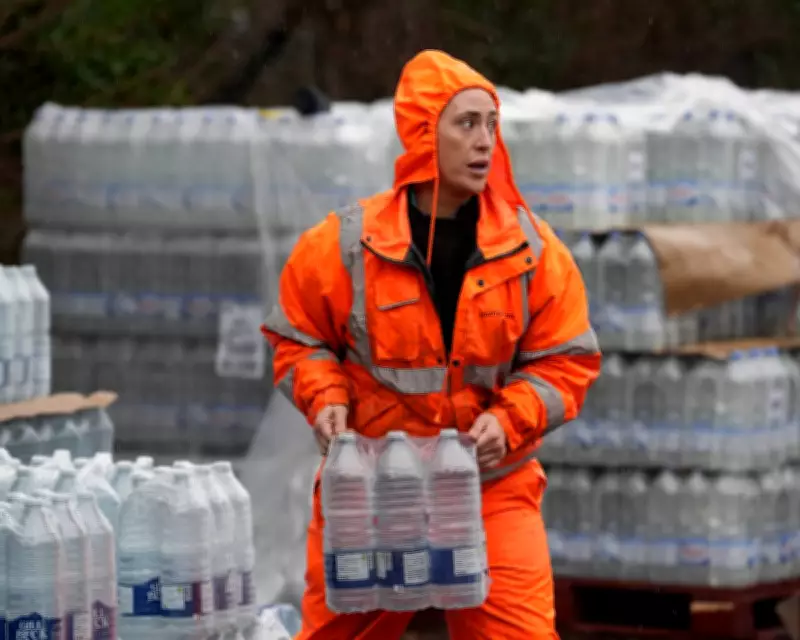
The supply failures have impacted 286,645 customers since 2020, leading to significant inconvenience and disruption. In response, South East Water staff have been distributing bottled water at stations, including in East Grinstead, Sussex, to mitigate the effects of the outages.

Chris Walters, Ofwat's interim chief executive, emphasised that the fine would be paid by the company and won't show up on customers' bills. He stated, South East Water needs to step up and take more ownership of the problem, highlighting the need for improved network maintenance, storage solutions, and resilience planning.
Broader Context of Water Industry Penalties
This penalty follows recent regulatory actions against other water suppliers. Just a day prior, South West Water admitted to supplying water unfit for human consumption after a parasite outbreak in Devon sickened nearly 150 people. Additionally, in May last year, Thames Water received a record £104 million fine from Ofwat for environmental breaches related to sewage spills.
These cases underscore ongoing challenges in the UK water industry, with regulators intensifying scrutiny over corporate governance and service reliability. Ofwat's investigations into further outages, including pre-Christmas incidents in Kent and Sussex, remain active, indicating continued pressure on utilities to enhance their operational standards.