The Ultimate Guide to Non-Toxic Cookware for Healthier Cooking
In today's health-conscious world, many home cooks are increasingly concerned about the safety of their kitchen tools, particularly when it comes to cookware. Non-toxic pans have surged in popularity as people seek to avoid harmful chemicals that can leach into food during cooking. This guide explores the best options available, focusing on materials that prioritise safety without compromising on performance.
Understanding Non-Toxic Cookware Materials
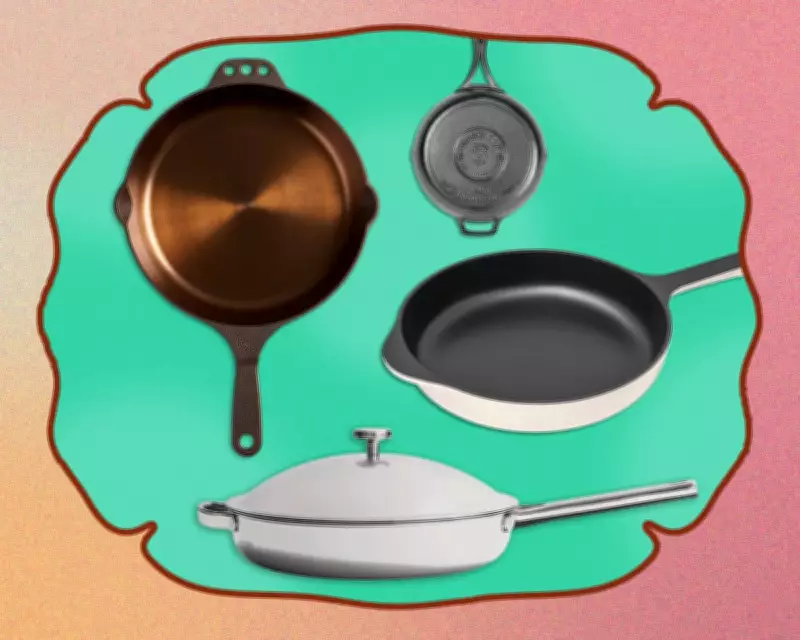
Non-toxic cookware is designed to minimise exposure to potentially dangerous substances. Key materials include ceramic-coated pans, which are free from per- and polyfluoroalkyl substances (PFAS) and perfluorooctanoic acid (PFOA), chemicals often linked to health risks. Stainless steel is another excellent choice, known for its durability and inert properties that prevent chemical reactions with food. Cast iron, when properly seasoned, offers a natural, non-stick surface without synthetic coatings.
Top Picks for Non-Toxic Pans
When selecting non-toxic pans, consider brands that emphasise safety and quality. Ceramic-coated options are highly recommended for their non-stick capabilities and absence of harmful chemicals. Look for pans labelled as PFAS-free and PFOA-free to ensure they meet strict safety standards. Stainless steel pans, often made from high-grade alloys, provide even heating and are easy to clean, making them a versatile addition to any kitchen. Additionally, enameled cast iron combines the benefits of cast iron with a protective glaze that prevents rust and eliminates the need for chemical coatings.

Benefits of Switching to Non-Toxic Cookware
Switching to non-toxic pans offers numerous advantages beyond health. These pans are typically more environmentally friendly, as they avoid the use of persistent chemicals that can pollute ecosystems. They also tend to be more durable, reducing waste from frequent replacements. From a culinary perspective, non-toxic materials like stainless steel and cast iron excel at high-heat cooking, allowing for better searing and browning of foods. Moreover, using safer cookware can provide peace of mind, knowing that your meals are free from unwanted contaminants.
How to Choose the Right Non-Toxic Pan for Your Needs
Selecting the best non-toxic pan depends on your cooking habits and preferences. For everyday use, ceramic-coated pans are ideal due to their ease of cleaning and non-stick properties. If you frequently cook at high temperatures or desire longevity, stainless steel or cast iron might be better suited. Always check product labels for certifications indicating the absence of PFAS, PFOA, lead, and cadmium. Reading reviews and consulting expert recommendations can also help you make an informed decision, ensuring you invest in cookware that aligns with your health and culinary goals.
In conclusion, embracing non-toxic cookware is a smart move for anyone looking to enhance their kitchen's safety and sustainability. By opting for pans made from materials like ceramic, stainless steel, or cast iron, you can enjoy healthier meals while contributing to a cleaner environment. Remember to prioritise quality and certifications when shopping, and enjoy the benefits of cooking with confidence and care.