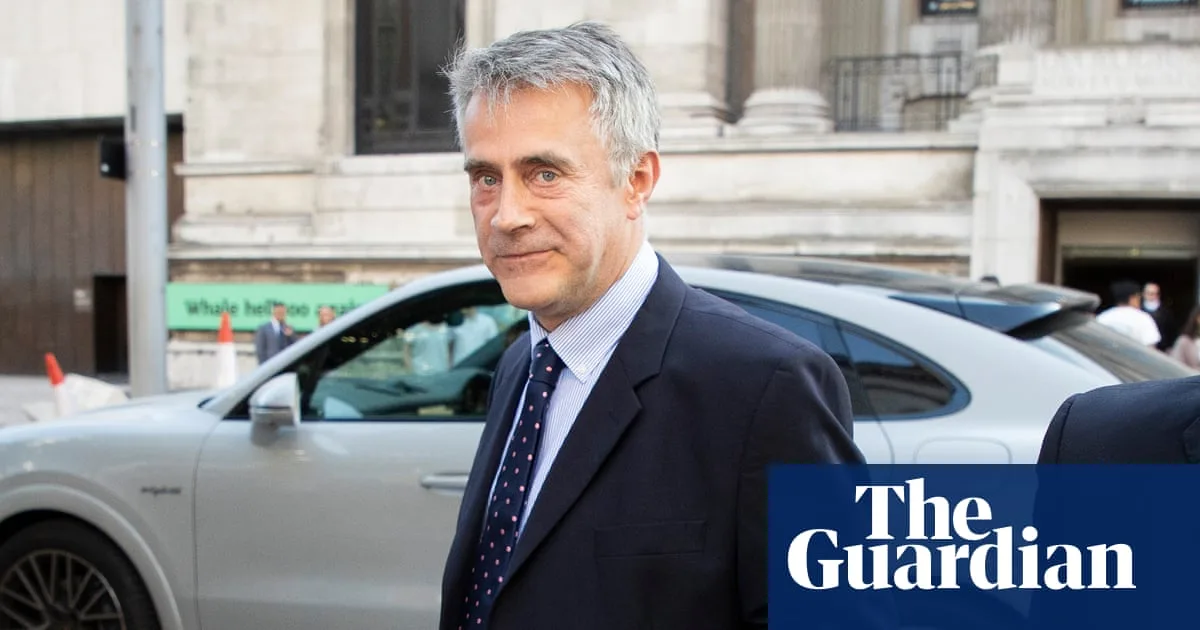
Christopher Harborne, the publicity-shy Thai-based British cryptocurrency tycoon who has emerged as Reform UK's principal financial benefactor, has been propelled into the top 10 of the Sunday Times Rich List for the first time. His staggering wealth is now estimated at approximately £18.2 billion, securing him the sixth position on the prestigious annual ranking of the United Kingdom's wealthiest individuals and families.
Harborne's Meteoric Rise
The Sheffield-born businessman, who also goes by the Thai name Chakrit Sakunkrit, has donated more than £22 million to Reform UK over the past seven years. However, his financial dealings have come under intense scrutiny following the revelation that he provided Nigel Farage with a £5 million personal gift. Farage, who failed to declare the sum before becoming a Member of Parliament, insists the money was intended for his personal security. The matter is now under investigation by Daniel Greenberg, the Parliamentary Commissioner for Standards.
Robert Watts, compiler of the Sunday Times Rich List, described Harborne as a 'Rich List compiler's nightmare' due to the complexity of his business interests. 'Nigel Farage has found himself a really useful cash machine,' Watts remarked, highlighting the political significance of Harborne's largesse.
Sources of Wealth
The bulk of Harborne's estimated £18.177 billion fortune derives from a 12% stake in Tether, a leading stablecoin company. Farage has publicly endorsed Tether, stating on LBC radio in September 2024: 'Stablecoins are the way which money goes from conventional currencies through into cryptocurrencies and back again. Tether is about to be valued as a $500 billion company.' If that valuation materialises, Harborne's stake would be worth approximately £44 billion, potentially making him the richest person in Britain, surpassing the Hinduja family's estimated £38 billion.
Other known assets include an estimated £357 million stake in British defence giant Qinetiq, held through Klear Kite LLC, a company registered in Delaware. Harborne also founded AML Global, a jet fuel broker operating across more than 1,200 locations worldwide, though the Rich List could not assign a value to this venture. AML Global may have benefited significantly from the surge in jet fuel prices following the Middle East conflict.
Top 10 Summary
The combined wealth of the 350 individuals and families on this year's list rose by 1.4% to £784 billion, a sum larger than the annual economies of Belgium, Sweden, or Israel. The number of UK billionaires now stands at 157, down from 177 four years ago. The minimum entry threshold for the list has dipped to £340 million.
The top 10 includes:
- Sanjay and Dheeraj Hinduja and family – £38 billion
- David and Simon Reuben and family – £27.9 billion
- Sir Leonard Blavatnik – £26.8 billion
- Idan Ofer – £24.5 billion
- Guy, George, Alannah and Galen Weston and family – £18.9 billion
- Christopher Harborne – £18.177 billion
- Nik Storonsky – £16.4 billion
- Alex Gerko – £16 billion
- Sir Jim Ratcliffe – £15.19 billion
- Igor and Dmitry Bukhman – £14.26 billion
Notable movements include Sir Jim Ratcliffe, the chemicals magnate and Manchester United co-owner, who slipped to ninth place as his wealth fell from £17 billion to £15.2 billion. Sir James Dyson, inventor of the bagless vacuum cleaner, saw his fortune tumble from £20.8 billion to £12 billion. Conversely, Nik Storonsky, co-founder of payments firm Revolut, saw his wealth climb to £16.4 billion, representing average gains of £25.8 million per day since last year's list.
Broader Economic Context
Separate research by the Trades Union Congress (TUC) found that the number of billionaires has doubled since 2010, while real wages for ordinary workers have stagnated. The average wealth of a Sunday Times Rich List member is over 7,600 times higher than that of an average UK household. When the list began in 1989, there were only nine billionaires; now there are 157.
TUC General Secretary Paul Nowak commented: 'We need an economy that rewards work – not just wealth. Under the Conservatives, the wealthiest were allowed to feather their nests while working people suffered an epidemic of insecure work and the worst pay stagnation in two centuries. Clearly wealth has not trickled down – it has been hoarded by those at the top. This isn't right. With ordinary people struggling to pay the bills, it's time for billionaires to pay their fair share in tax to protect households and firms from the effects of Donald Trump's illegal war. People have had it with a system where those with the broadest shoulders don't pull their weight.'