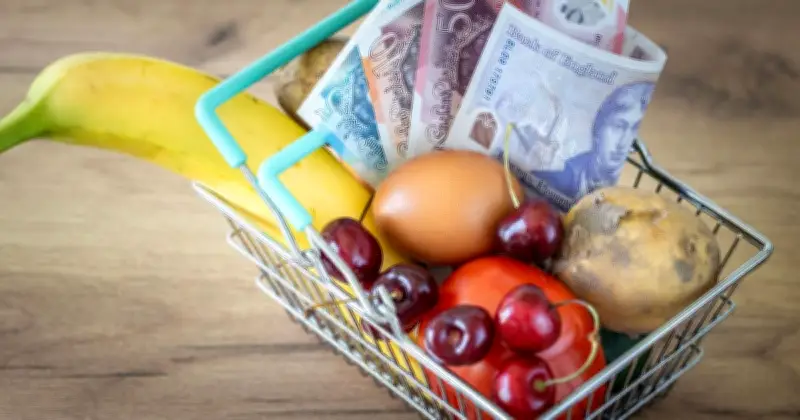
Consumer champions Which? have identified the seven supermarket product categories that have experienced the highest price increases over the three months to the end of May 2026. Fish tops the list with an annual inflation rate of 10.6%, followed by energy drinks at 6.5% and chocolate at 4.7%.
Which? Study Reveals Top Inflation Categories
According to Which?, the full list of items with the highest inflation rates includes fish (10.6%), energy drinks (6.5%), chocolate (4.7%), fizzy drinks (4.3%), water (4.1%), chilled ready meals (4.1%), and fresh fruit (3.4%). The consumer group attributed the overall rise in food prices to several factors, including the war in Ukraine, pandemic disruption, rising energy and labour costs, and poor harvests in Europe, North and West Africa.
Impact of Global Events on Food Prices
Which? explained: "Prices for feed, fertiliser and fuel – which are all needed to produce food and drink – rose dramatically due to the war in Ukraine. This was coupled with the knock-on effects of disruption during the pandemic, as well as spiralling energy and labour costs. Poor harvests in Europe and North and West Africa may also have had an effect. For example, cocoa and sugar production have been hit by poor weather, disease and a decline in the number of farmers."

Strait of Hormuz Crisis Adds Pressure
Experts have warned that the overall inflation rate, which has remained static for several months according to the Bank of England, does not yet reflect the impact of the crisis in the Strait of Hormuz. Karen Betts, chief executive of the Food and Drink Federation (FDF), told The Sun: "It’s good to see an easing of food inflation in May, but consumer prices still don’t reflect the inflation caused by the closure of the Strait of Hormuz. It generally takes several months for the increased costs paid by farmers, processors and manufacturers to filter into raised prices at the tills… and we expect food inflation to pick up this year and into next."
Future Outlook for Supermarket Prices
Betts' comments suggest that while current data shows a temporary stabilisation, consumers should anticipate further price rises in the coming months. The conflict in Iran and the subsequent disruption to shipping routes through the Strait of Hormuz are expected to drive up costs for a wide range of products, including washing-up liquid, meat, and coffee, as previously noted by experts.