Around 446,000 people in the UK currently live with dementia, a figure projected to nearly double by 2065. While genetics and age play a role, research suggests up to 40% of dementia cases worldwide are linked to modifiable lifestyle factors, including hobbies.
A systematic review found that people who regularly engage in leisure activities—physical, cognitive, or social—have a significantly lower risk of developing dementia. A large Japanese study of over 22,000 people found that those with at least one hobby in mid-life had a 19% lower risk of disabling dementia, while multiple hobbies were associated with a 23% reduction.
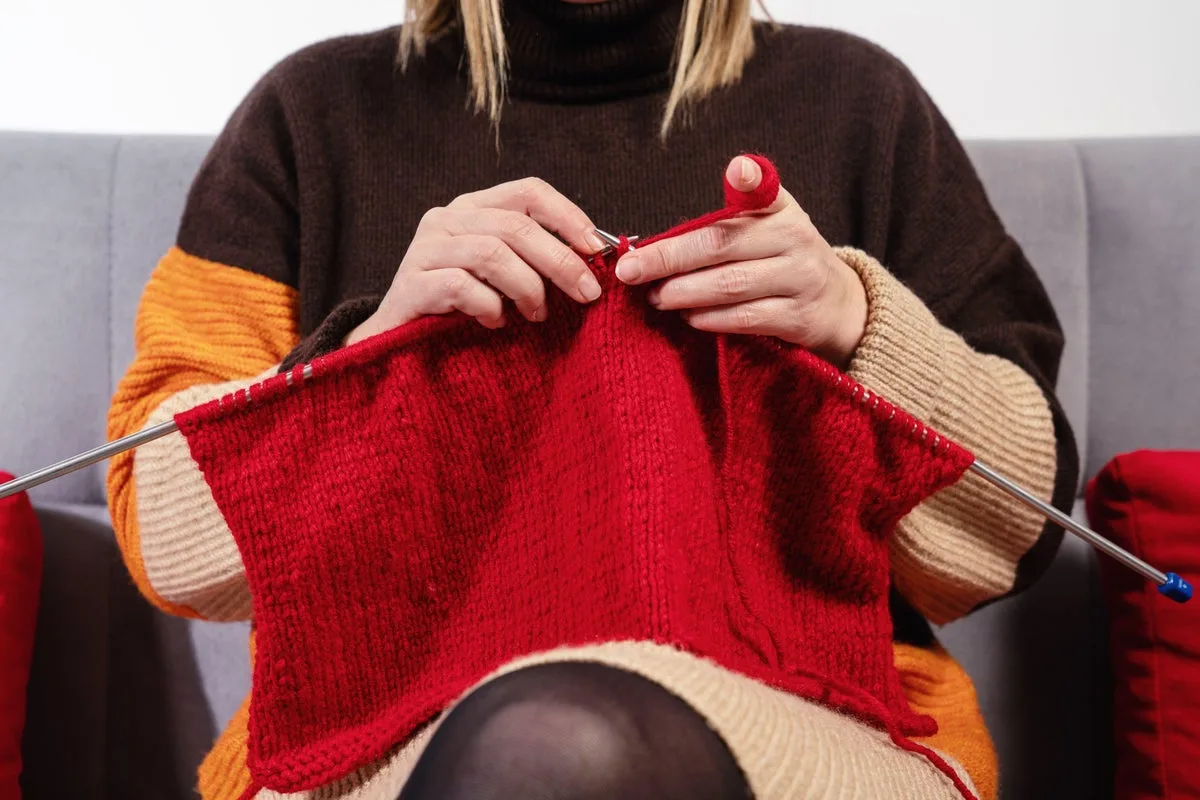
Australian research from 2023 reported that literacy and critical thinking tasks (e.g., writing, puzzles) were linked to a 9–11% lower dementia risk, and creative activities (e.g., knitting, woodworking) to a 7% reduction. No single hobby emerged as superior, suggesting enjoyment and regularity are key.

Experts explain this through 'cognitive reserve'—mentally stimulating activities build neural connections, helping the brain cope with age-related changes. Hobbies combine physical activity, mental engagement, stress relief, and social connection, all of which support brain health. Social connection is particularly important, as social isolation is one of the strongest predictors of dementia, accounting for about 5% of cases.
While hobbies are not a guaranteed prevention, they offer a practical and enjoyable way to reduce multiple risk factors. The more a hobby involves physical, cognitive, and social elements, the greater its potential benefit.