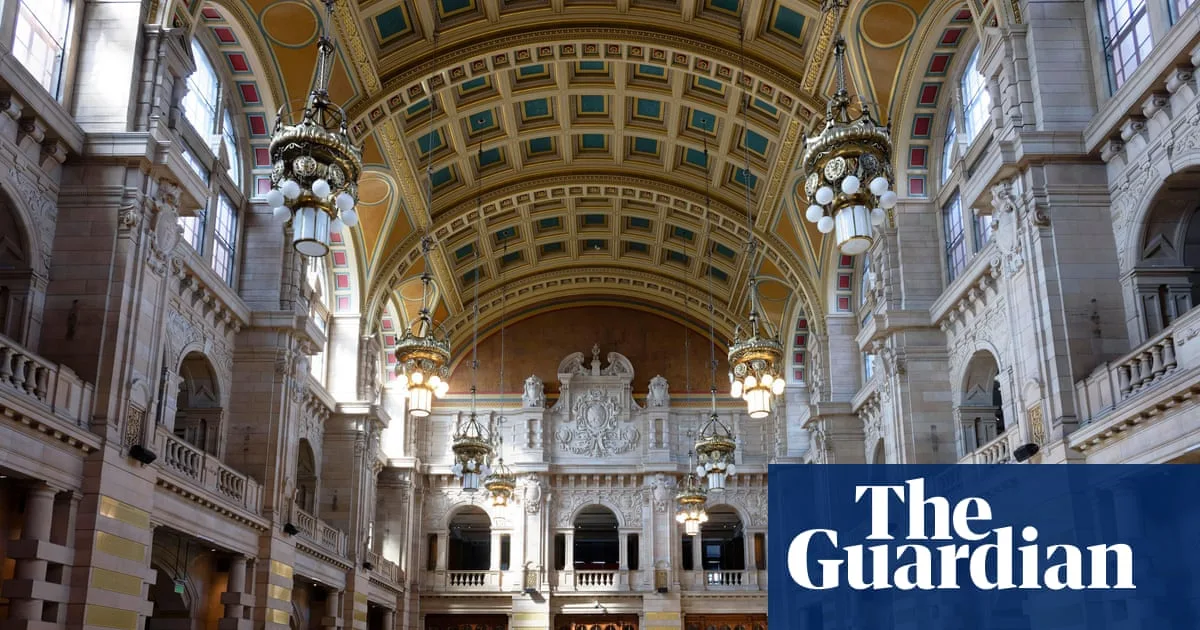
In response to recent coverage of Glasgow's crumbling Victorian architecture, readers have emphasised that the city's heritage should be viewed as an asset, not a liability. Richard Owen of Glasgow argues that the fundamental problem is economic: the city lost nearly half its population from 1951 onwards, leaving a city centre footprint disproportionately large for its current economy.
Owen suggests that merging the Greater Glasgow councils might help with boundary issues but would not solve the funding shortfall. He calls for collective action from the UK and Scottish governments, the city council, businesses, and residents to address long-term economic challenges, rather than falling into short-term planning traps like out-of-town shopping centres.
Architect Douglas Anderson also criticises the local council, describing its performance as a 'new low' due to a lack of competence and ambition. He argues that budget constraints are not an excuse and that professionals should take control to improve the city's environment.

Both correspondents agree that Glasgow must believe in its Victorian buildings as economic assets to sustain them for future generations.