Los Angeles Hotel Wage Law Faces Backlash Amid Job Losses and Industry Strain
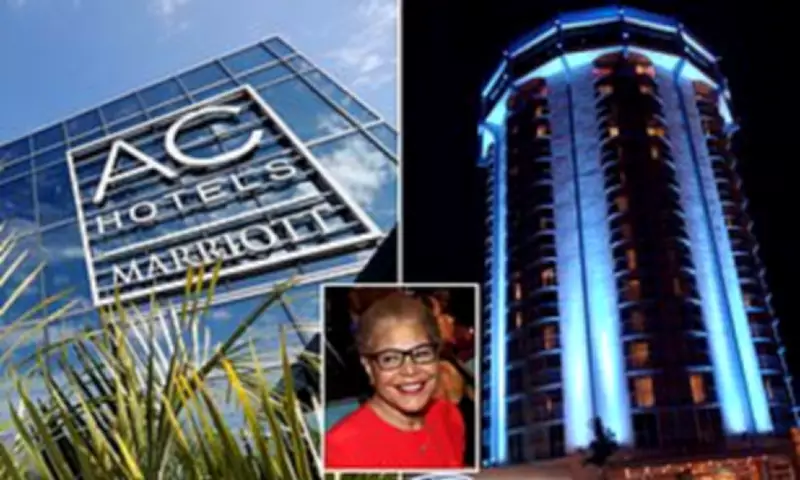
A controversial wage increase for hotel workers in Los Angeles, signed into law by Mayor Karen Bass, is facing significant backlash as a new report reveals it has already led to hundreds of job losses and operational cutbacks. The Hotel Worker Minimum Wage Ordinance, which took effect in September, mandates a gradual rise in minimum pay for hotel employees, culminating at $30 per hour by 2028, in preparation for the 2026 World Cup and 2028 Summer Olympics.
Report Highlights Immediate Negative Impacts
According to a study conducted by the Hotel Association of Los Angeles (HALA), the wage hikes have contributed to a six percent loss of jobs in the sector, with approximately 650 workers laid off since the law's implementation. The report, based on secondary research, industry data, and surveys from affected hotels, found that restaurants within hotels have closed or reduced hours, and other services like parking have become more expensive.
Dr. Jackie Filla, President of HALA, criticized the measure, stating, "The city of Los Angeles has forced a wage and benefits package on hotels that is utterly unaffordable at a time when Californians and Americans are laser focused on affordability." She emphasized that many of the job losses have impacted working-class individuals whom the law was intended to protect, highlighting a paradox in its outcomes.

Broader Industry Challenges Exacerbated
The wage increase comes during a period of weaker demand for Los Angeles hotels, which have underperformed compared to national averages. Since 2019, hotel revenue in the city has increased by only 2.1 percent, starkly contrasting with a 20 percent rise nationwide. An unnamed hotelier cited in the report lamented that the industry is "not in good shape" due to fewer travelers and declining gross revenue, warning that the current administration's policies could lead to a substantial shrinkage similar to the movie industry.
Hotel owners have expressed concerns that increased labor costs will ultimately be passed on to travelers through higher prices for rooms, meals, and services. Additionally, two-thirds of third-party vendors are planning price hikes, while one in five intend to cancel contracts altogether, further straining operations.
Mayor Bass's Stance and Context
Mayor Karen Bass has previously defended the law, arguing that hotel workers deserve a living wage and healthcare benefits. The ordinance, approved by the Los Angeles City Council and signed by Bass in May last year, initially sets the minimum wage at $22.50 per hour, with incremental increases leading to $30 by 2028.
A separate study by Go Banking Rates noted that to live comfortably in Los Angeles, individuals need to earn around $194,000 annually, or $93 per hour, based on data from Zillow and the Bureau of Labor Statistics. This context underscores the high cost of living in the city, which the wage law aims to address.
Economic and Employment Implications
Tourism is a critical sector in Los Angeles, providing over half a million jobs and ranking among the top five employment industries. However, the report's findings suggest that the wage mandate may be undermining this vital economic pillar. Job losses have been detailed across various roles:
- 160 in food service
- 76 in housekeeping
- 37 in parking
- 19 in maintenance
- 8 in security
- 36 as "other"
- 270 as "undefined"
As the debate continues, the long-term effects of the wage increase on Los Angeles's hotel industry and its workers remain uncertain, with calls for reassessment growing louder among stakeholders.