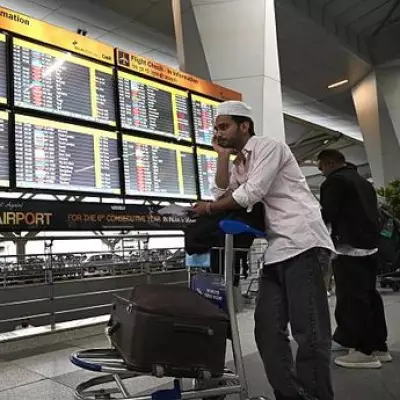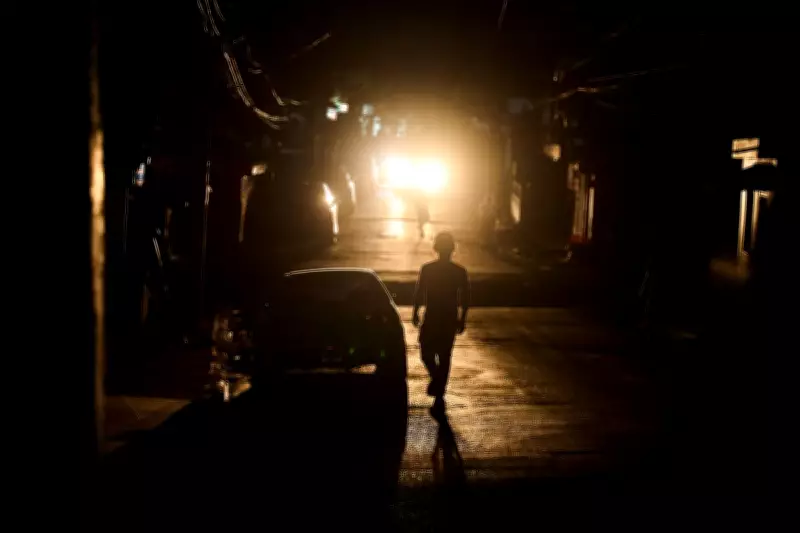
The Dominican Republic has been struck by a massive country-wide blackout for the second time in just three months, sparking widespread alarm over the reliability and stability of the Caribbean nation's electricity infrastructure. This latest outage occurred on Monday, plunging the entire nation into darkness and causing significant disruptions to daily activities.
Widespread Disruption and Chaos
Monday's blackout led to severe traffic snarls, halted public transportation systems, and forced numerous businesses to shut down temporarily as emergency crews worked frantically to restore power. The sudden loss of electricity created chaos across urban and rural areas, highlighting the critical dependence on a stable power supply for economic and social functions.
Technical Failure Identified
According to the state-owned Dominican Electricity Transmission Company, the blackout was triggered when the country's main power plants abruptly ceased supplying energy just before noon. This cascading failure caused all other plants in the system to shut down automatically as a protective measure. Energy Minister Joel Santos provided an update, stating that by mid-afternoon, the grid was operating at nearly 30% of its capacity, with gradual improvements expected.

Santos explained that the failure originated from a trip in a transmission line switch, which activated the system's protection mode to prevent further damage. He assured the public that essential services, including hospitals, drinking water systems, mass transit, and airports, were continuing to operate using their backup power systems to mitigate the impact on critical infrastructure.
Recurring Issues and Historical Context
This incident marks the second major blackout in the Dominican Republic within a short timeframe, following a similar widespread outage last November. The previous event was attributed to human error during routine line maintenance work, raising questions about operational protocols and maintenance practices within the energy sector. The recurrence of such significant failures has intensified scrutiny on the government's ability to manage and modernize the national power grid to prevent future disruptions.
As the Dominican Republic grapples with these repeated power crises, there is growing pressure on authorities to implement long-term solutions and invest in infrastructure upgrades. The stability of the electricity supply is crucial for the nation's economic growth, public safety, and overall quality of life, making these outages a top priority for policymakers and citizens alike.