Energy Bills Set for Significant Reduction from April Following Government Intervention
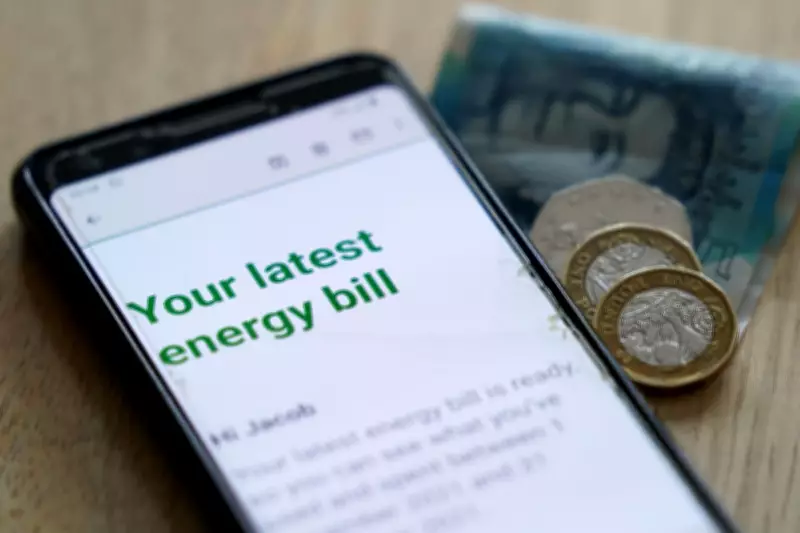
Households across Britain are poised to receive welcome news as energy bills are projected to fall by approximately 7% starting in April. This substantial reduction follows a major shake-up of energy costs initiated by the Government, which has pledged an average £150 cut for typical dual fuel households.
Price Cap Announcement Details and Financial Impact
Latest predictions indicate that Ofgem, the energy regulator, will announce a reduction in the energy price cap by £117 to £1,641 per year for an average household when it makes its official statement on Wednesday. This adjustment will take effect from April 1st, marking a significant shift in energy pricing policy.
Chancellor Rachel Reeves first announced this initiative in November, revealing that £150 would be cut from average household bills by eliminating the Energy Company Obligation scheme. This scheme was originally introduced during the previous Conservative administration.

How the Savings Will Be Applied to Household Bills
Energy customers have been cautioned not to anticipate a straightforward £150 discount appearing on their bills. Instead, the actual reduction will vary considerably based on multiple factors:
- The size and type of household
- Overall energy consumption patterns
- Specific energy usage requirements
The majority of the savings will be implemented through a lower price per unit of electricity consumed. Households are advised to watch for detailed communications from their energy suppliers following the official price cap announcement, which will explain precisely how these changes will affect individual bills.
Analysis from Energy Experts and Industry Representatives
Cornwall Insight, a leading energy consultancy, has projected that the changes will reduce the cap by approximately £145 annually when VAT and pricing allowances within the cap methodology are fully accounted for. However, the organization noted that increases in charges related to the operation and maintenance of Britain's energy networks have partially offset these potential savings.
Ned Hammond, deputy director of customer policy at Energy UK, which represents energy firms, commented: "At a time when many households are struggling with their bills, action taken by the Government to provide a considerable discount on energy bills is hugely welcome. While the saving will be £150 for the average household, it is important to note that the discount is applied to the unit rate."
Hammond further explained: "Therefore, households will experience significantly different savings depending on their energy consumption, some much higher and others substantially lower than £150. In addition, other moving parts, such as network charges and wholesale costs, mean energy bills will not necessarily fall in line with the saving provided."
Market Factors Influencing Future Energy Prices
Cornwall Insight reported that wholesale energy prices had risen slightly since their previous forecast in December, with gas costs proving particularly volatile due to ongoing geopolitical factors. Despite this recent increase, wholesale costs remain lower than when Ofgem established the January cap level.
Looking ahead through 2026, Cornwall Insight expects the price cap to remain "relatively steady" throughout the year, with only a minor increase forecast for July. This projection offers some stability for households planning their energy budgets in the coming months.
Consumer Advice and Advocacy Perspectives
Emily Seymour, energy editor at consumer organization Which?, stated: "Households can expect a significant cut to their energy bills in April, which will come as a relief to millions of people struggling with cost-of-living pressures. The bulk of this change is expected to be applied to your electricity price per unit, so your exact savings will depend on your usage."

Simon Francis, coordinator of the End Fuel Poverty Coalition, urged households to pay close attention to changes in unit costs and standing charges rather than focusing exclusively on the headline "average energy bill" figure. He emphasized: "We know that energy bills can be confusing and trying to decide when to switch tariffs or change supplier is a big decision which can overwhelm people."
Francis added: "As well as setting the price cap, Ofgem should play a greater role in ensuring that the tariffs reaching the market are fair and don't discriminate against specific customer groups. Sadly the responsibility currently falls to households to pay careful attention to any changes in their unit costs and standing charges."