Households Set for Significant Energy Bill Reduction from April
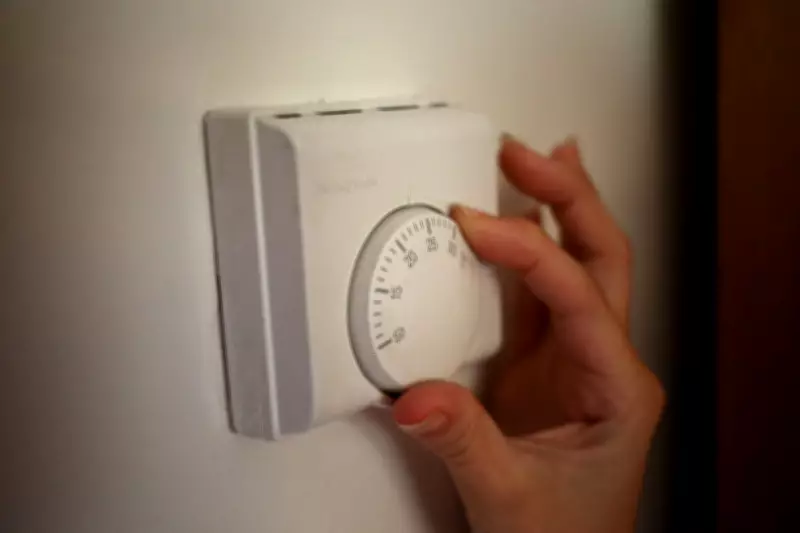
Millions of households across Britain are poised to receive welcome relief on their energy expenses, with bills expected to decrease by approximately 7% starting in April. This substantial reduction follows the government's commitment to implement an average £150 cut for typical dual fuel households, marking a significant shift in energy pricing policy.
Price Cap Announcement Details
The energy regulator Ofgem is scheduled to make its official announcement on Wednesday, with latest projections indicating the price cap will be lowered by £117 to £1,641 annually for a standard dual fuel household from April 1. This adjustment represents the most substantial decrease in energy costs witnessed in recent years, providing much-needed financial breathing room for families grappling with ongoing cost-of-living pressures.
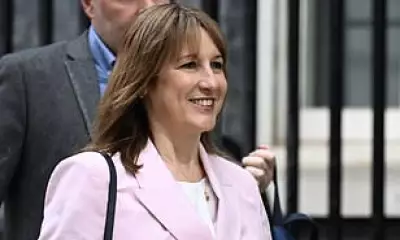
Chancellor Rachel Reeves initially revealed the government's plan last November, confirming that £150 would be trimmed from average household bills beginning in April. This reduction has been achieved through the abolition of the Energy Company Obligation (Eco) scheme, which was originally introduced during the previous Conservative administration.

How the Savings Will Be Applied
Energy customers should be aware that the £150 figure represents an average reduction rather than a universal discount. The actual amount each household saves will depend on several factors including household size, property type, and most importantly, energy consumption patterns. The reduction will primarily manifest through decreased prices per unit of electricity consumed, rather than as a straightforward bill discount.
Industry experts strongly advise households to monitor communications from their energy suppliers in the coming weeks, as providers will need to explain precisely how these changes will affect individual billing arrangements. The complexity of energy tariffs means that understanding the specific impact on each household requires careful attention to supplier notifications.
Analyst Insights and Projections
According to detailed analysis from Cornwall Insight, the comprehensive changes will reduce the price cap by approximately £145 annually when accounting for VAT adjustments and pricing allowances within the cap methodology. However, the research firm noted that increases in charges related to the operation and maintenance of Britain's energy networks have partially offset potential savings.
Wholesale energy prices have experienced slight increases since December forecasts, with gas costs proving particularly volatile due to ongoing geopolitical factors influencing global markets. Despite these fluctuations, Cornwall Insight confirmed that wholesale costs remain lower than when Ofgem established the January cap level, suggesting relative stability in the energy market for the coming months.
Looking ahead through 2026, analysts predict the price cap will remain "relatively steady," with only a minor anticipated increase projected for July. This forecast provides households with greater certainty regarding their energy expenditure planning for the remainder of the year.
Industry and Consumer Perspectives
Ned Hammond, deputy director of customer policy at Energy UK, welcomed the government's intervention, stating: "At a time when many households are struggling with their bills, action taken by the Government to provide a considerable discount on energy bills is hugely welcome." He emphasized that while the average saving stands at £150, actual reductions will vary significantly based on consumption patterns, with some households experiencing substantially higher or lower savings.
Emily Seymour, energy editor at consumer organization Which?, echoed this sentiment, noting: "Households can expect a significant cut to their energy bills in April, which will come as a relief to millions of people struggling with cost-of-living pressures." She reiterated the importance of understanding that savings will be applied to electricity unit rates rather than as flat reductions.

Consumer Advocacy and Future Considerations
Simon Francis, coordinator of the End Fuel Poverty Coalition, urged households to pay close attention to changes in unit costs and standing charges rather than focusing exclusively on headline "average energy bill" figures. He highlighted the ongoing confusion surrounding energy billing and tariff structures, which often overwhelms consumers trying to make informed decisions about their energy arrangements.
Francis further called for regulatory improvements, suggesting: "As well as setting the price cap, Ofgem should play a greater role in ensuring that the tariffs reaching the market are fair and don't discriminate against specific customer groups." This recommendation underscores the continuing challenges households face in navigating Britain's complex energy market, even with the welcome reduction in overall costs.
The impending price cap reduction represents a significant development in household energy affordability, though experts caution that the benefits will be distributed unevenly based on consumption patterns and household characteristics. As April approaches, energy providers will be responsible for clearly communicating these changes to customers, ensuring households understand precisely how their bills will be affected by the government's intervention.