Energy Bills to Decrease for UK Households in April
In a welcome development for consumers, energy bills are set to fall for households across the United Kingdom starting in April. This reduction comes as a result of a decrease in the price cap established by Ofgem, the energy regulator. The adjustment is anticipated to offer significant financial relief to millions of people, easing the burden on household budgets during a period of economic uncertainty.
Details of the Price Cap Reduction
The price cap, which limits the amount energy suppliers can charge per unit of gas and electricity, will be lowered in April. Ofgem has confirmed that this change reflects recent shifts in wholesale energy costs and market conditions. The regulator regularly reviews the cap to ensure it remains fair and reflective of actual costs, protecting consumers from excessive charges while allowing suppliers to operate sustainably.
This reduction is expected to translate into lower monthly bills for the average household, with estimates suggesting savings could be substantial. However, the exact amount will vary depending on individual usage and tariff structures. Consumers are advised to review their energy plans and consider switching providers if better deals become available, as competition in the market may lead to further discounts.

Impact on Household Finances
The fall in energy bills is likely to have a positive impact on household finances, particularly for those struggling with the cost of living. With energy costs being a significant portion of monthly expenses, this reduction could free up funds for other necessities or savings. It may also help reduce fuel poverty, a pressing issue in many parts of the UK, by making energy more affordable for vulnerable groups.
Experts note that while this decrease is a step in the right direction, long-term solutions are needed to stabilize energy prices and improve efficiency. Investments in renewable energy sources and infrastructure upgrades could play a key role in achieving this, alongside continued regulatory oversight to prevent price spikes in the future.
Broader Context and Future Outlook
This price cap adjustment occurs against a backdrop of fluctuating global energy markets and domestic policy efforts to enhance energy security. The UK government has been working on initiatives to support consumers, such as subsidies and energy efficiency programs, but the Ofgem cap remains a critical tool for immediate relief.
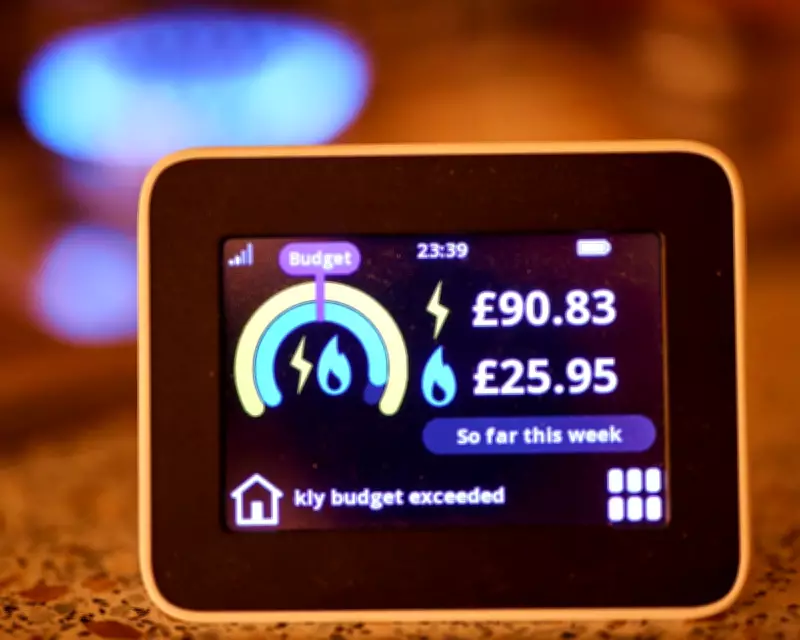
Looking ahead, Ofgem plans to continue monitoring market trends and adjusting the price cap as necessary. Households should stay informed about these changes and take proactive steps to manage their energy consumption, such as using smart meters or adopting energy-saving practices. By doing so, they can maximize the benefits of the falling bills and contribute to a more sustainable energy future.