Energy Price Cap Set for Significant Reduction from April
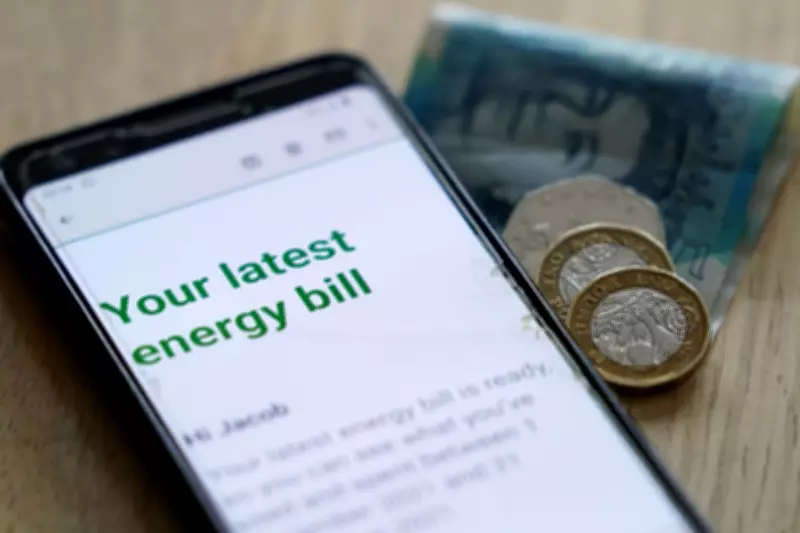
Households across Britain are poised to receive welcome news as energy bills are projected to fall by approximately 7% starting April 1, 2026. The energy regulator Ofgem is expected to announce a substantial shake-up in the price cap, which will see a reduction of £117 for a typical dual fuel household. This adjustment will bring the annual cap down to £1,641, offering much-needed relief amid ongoing cost-of-living pressures.
Government Intervention Drives Savings
The anticipated decrease is largely attributed to government action, with Chancellor Rachel Reeves pledging in November to cut an average of £150 from household energy bills. This commitment involves scrapping the Energy Company Obligation (Eco) scheme, a policy introduced by the previous Conservative administration. However, consumers are advised that the actual discount will not be a straightforward £150 reduction on their bills. Instead, savings will depend on individual factors such as household size, energy consumption patterns, and the type of fuel used.
Key details of the reduction include:

- The cut will primarily be applied through a lower price per unit of electricity, meaning households must monitor communications from their energy suppliers for specific adjustments.
- According to analysis from Cornwall Insight, the changes will reduce the cap by about £145 annually when VAT and pricing allowances within the cap methodology are factored in.
- Increases in charges related to the operation and maintenance of Britain’s energy networks have partially offset the savings, and wholesale prices have seen slight rises since December due to geopolitical factors affecting gas costs.
Industry and Consumer Perspectives
Energy industry representatives have welcomed the move, noting its timing as many families grapple with financial strain. Ned Hammond, deputy director of customer policy at Energy UK, emphasised that while the average household saving is £150, the discount is applied to unit rates, leading to varied savings. He cautioned that other components, like network charges and wholesale costs, mean bills may not fall exactly in line with the government's saving provision.
Consumer advocates have echoed this sentiment, urging households to pay close attention to unit costs and standing charges rather than focusing solely on headline figures. Emily Seymour, energy editor at Which?, highlighted that the bulk of the change will affect electricity prices per unit, so savings will hinge on usage levels. She advised consumers to look out for updates from their energy providers in the coming weeks.
Long-Term Outlook and Recommendations
Looking ahead, Cornwall Insight reports that wholesale costs remain lower than when Ofgem set the January cap level, suggesting the cap could stay relatively steady throughout 2026, with only a minor rise forecast for July. Simon Francis, coordinator of the End Fuel Poverty Coalition, called for greater regulatory oversight to ensure fair tariffs that do not discriminate against specific customer groups. He stressed that households should carefully review any changes in their energy costs to make informed decisions.
In summary, the upcoming price cap reduction marks a positive step for consumers, but it underscores the complexity of energy billing. Households are encouraged to stay informed and proactive in managing their energy expenses as these changes take effect.