Energy Price Cap to Fall by 7% from April 1
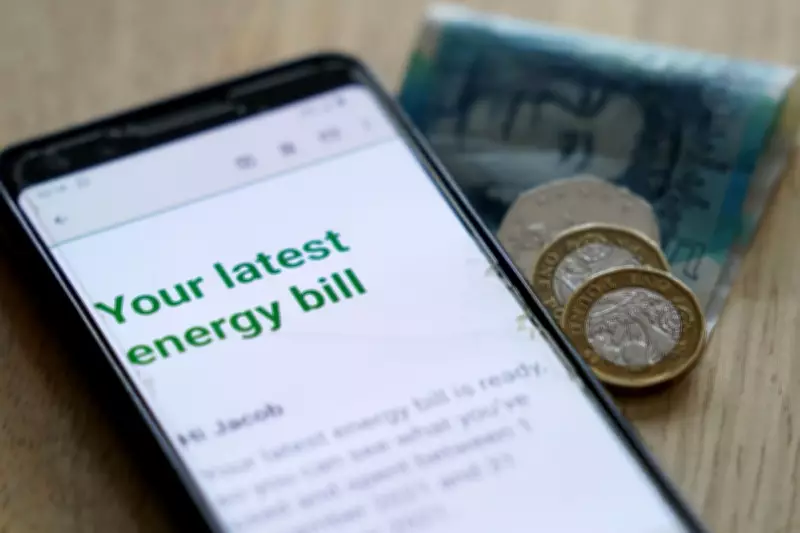
The price most households pay for energy will decrease by 7% starting April 1, according to an announcement from the regulator Ofgem. This reduction is driven by government policy changes aimed at cutting bills for consumers across the country.
Details of the Price Cap Reduction
Ofgem's price cap will drop from the current £1,758 to £1,641, representing a reduction of £117 annually. For the average household using both electricity and gas, this translates to savings of around £10 per month. The change is set to take effect from the beginning of April, providing relief to millions of energy customers.
Government Policy Impact
The primary driver behind this reduction is the Chancellor's budget announcement in November, which moved 75% of the cost of the Renewables Obligation from household bills onto general taxation and scrapped the Energy Company Obligation (Eco) scheme. Analysts from Cornwall Insight estimate that the removal of these green subsidies would reduce the cap by approximately £145 per year when accounting for VAT and pricing allowances within Ofgem's methodology.

However, the actual reduction of £117 is lower than the average £150 cut to bills initially pledged by the Chancellor. This discrepancy is partly due to rising network costs, which have increased by £66 according to Ofgem, primarily because of investments in upgrading power and gas grids.
Official Statements and Reactions
Tim Jarvis, director general of markets at Ofgem, stated: "Today's announcement will be welcome news for many households. Wholesale energy prices have fallen in recent months, and we're investing in our network to safeguard the future energy system. The main driver of today's reduction is the change to policy costs announced by the Chancellor in the budget."
Prime Minister Keir Starmer commented: "Energy bills are at the front of everybody's mind and I know they've been too high for too long. I promised to bring bills down and I meant it. And today, because of the actions this Government took at the last budget, the price cap on energy bills has come down by £117."
Additional Changes to Billing Structure
Ofgem also confirmed a decision to move the costs of the Government's separate warm home discount from standing charges to the hourly unit rate of gas and electricity. As a result, standing charges will drop by an average of £13, or 4p per day, for customers using both electricity and gas.
Concerns and Warnings
Despite the reduction, concerns remain about the ongoing affordability of energy bills. Dame Clare Moriarty, chief executive of Citizens Advice, warned: "A fall in energy prices is welcome but for many people bills remain stubbornly high. For millions of households this has stopped being a temporary hardship and become an ongoing threat to their financial stability."
Dhara Vyas, chief executive of Energy UK, noted: "While everyone should see savings on their bills from April 1, the effect of moving some policy costs off the gas and electricity unit price will be different. It depends on each household's energy use, the type of building you live in, how many people live in the property, and even how the bill is paid."
Government Expectations and Consumer Impact
The Government has instructed energy firms to pass on the savings in full to all customers from April 1, including those already signed up to fixed tariffs. Customers should note that the actual reduction on their bills will vary based on factors such as household size, energy usage patterns, and property type. Those who consume more energy are likely to see greater reductions in their bills.
Ofgem emphasized its continued focus on controlling costs within its regulatory purview and supporting investment in the transition to a more stable energy system. The regulator also reported encouraging signs of increased consumer engagement and competition, with switching between energy providers rising by almost 20% year on year.