The escalating conflict between the US and Iran could lead to significant price increases for energy, petrol, and food in the UK, according to a recent analysis. Oil prices have already surged to $90 a barrel following the closure of the Strait of Hormuz and production cuts in Kuwait, with fears they could breach $100 within days.
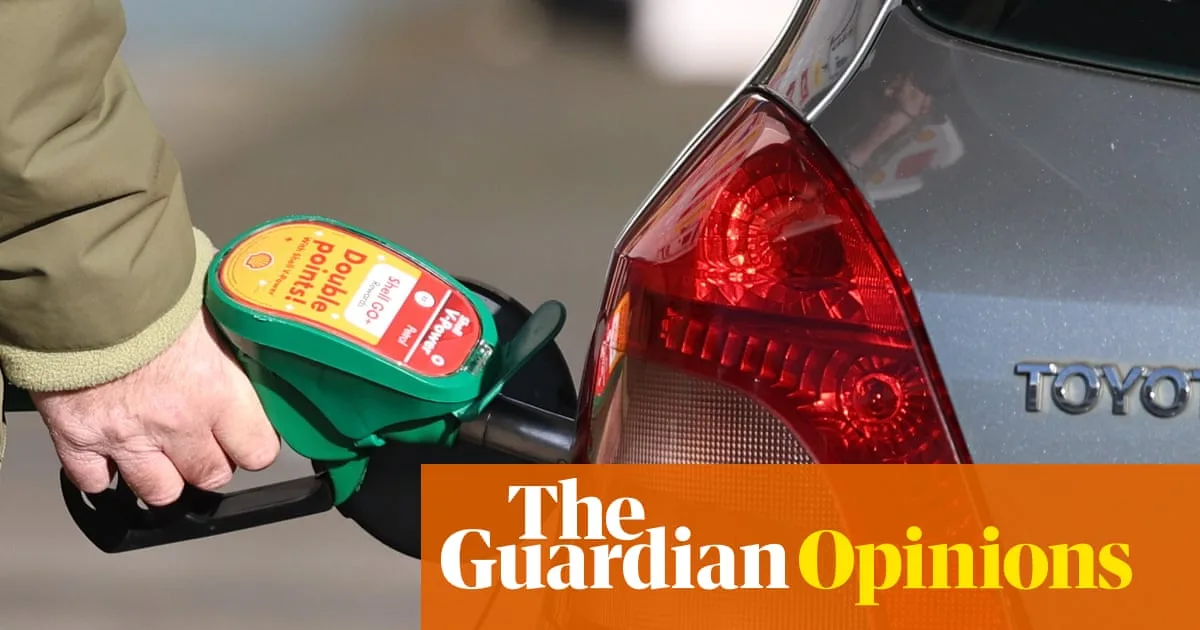
The UK, as a net oil importer, is particularly vulnerable to these shocks. The RAC reports that the conflict has already added 3p to the cost of a litre of unleaded. If gas prices remain high, household energy bills could rise sharply when the next quarterly price cap takes effect in July, undermining government plans to reduce household costs.
Economists warn that energy price spikes disproportionately harm poorer households. Research from the University of Massachusetts Amherst highlights that energy, along with food and agriculture, has a 'disproportionate capacity to increase inequality when their prices rise.' Meanwhile, a recent US study found that 50% of the windfall from higher oil prices went to the wealthiest 1% via the stock market, while the bottom 50% received only 1%.

The Bank of England faces a dilemma: while it can 'look through' supply-side shocks, a sustained surge in inflation could prompt the Monetary Policy Committee to hold off from further rate cuts. This risks running the economy 'too cold for too long,' with unemployment climbing, particularly among young people.
The analysis concludes that the UK must prepare for further shocks in a world of fracturing geopolitics and climate crisis, potentially requiring a rethink of monetary policy frameworks.