Massachusetts Judge Temporarily Blocks Turbine Manufacturer From Withdrawing From Major Offshore Wind Farm
A Massachusetts judge has issued a temporary order preventing a turbine manufacturer from pulling out of a significant offshore wind farm project, stating it would be unrealistic to expect another contractor could complete the installation.
Legal Battle Over Contract Termination and Blade Collapse
Vineyard Wind sought court intervention last week after GE Renewables announced its intention to terminate contracts for turbine services and maintenance. GE Vernova, the parent company of GE Renewables, claimed Vineyard Wind owes $300 million for completed work. However, Vineyard Wind countered that the manufacturer is responsible for approximately $545 million to compensate for a catastrophic turbine blade collapse in July 2024, which delayed the project by two years.
Suffolk County Superior Court Judge Peter Krupp granted Vineyard Wind's request for a preliminary injunction on Friday, blocking the termination notice. He agreed with Vineyard Wind that the manufacturer owes substantially more money than what the developer has withheld to offset costs from the blade collapse. The incident resulted in fiberglass fragments washing onto Nantucket beaches during peak tourist season, causing environmental and public relations concerns.

Critical Project Phase and Specialized Knowledge
Judge Krupp emphasized that the project is at a critical juncture, and losing its principal contractor would cause immeasurable setbacks. He wrote, "To pretend that Vineyard Wind could go out and hire one or more contractors to finish the installation and troubleshoot and modify GE Renewables' proprietary design without their specialized knowledge is fanciful." This statement underscores the unique expertise required for the project's completion.
Vineyard Wind spokesperson Craig Gilvarg expressed satisfaction with the decision, stating, "We are pleased with the decision, which ensures Vineyard Wind can continue delivering much needed energy to Massachusetts customers and the New England grid." The project aims to provide clean electricity to approximately 400,000 homes once fully operational.
GE Renewables' Position and Project Background
In court filings, GE Renewables argued it was within its rights to terminate the contracts, claiming its services are no longer necessary and that any harm to Vineyard Wind was self-inflicted. The company stated on Friday, "We stand by our compliance with contractual obligations and our performance, including recently completing installation of all 62 wind turbines at the Vineyard Wind Farm. We remain engaged in supporting the safe operation of the project while we evaluate next steps."
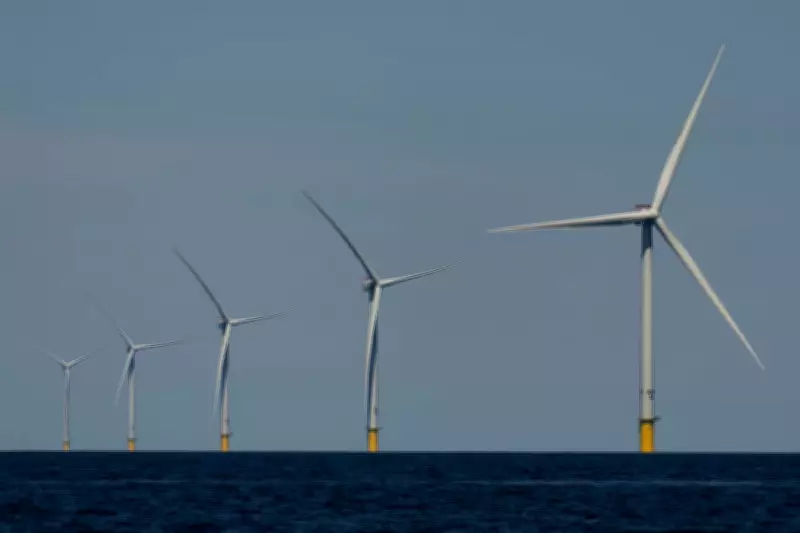
Vineyard Wind, a joint venture between Avangrid and Copenhagen Infrastructure Partners, is located 15 miles south of Martha's Vineyard and Nantucket, Massachusetts. With 62 turbines generating 800 megawatts, construction finished in March, making it the first project to reach this stage during President Donald Trump's administration. It has been supplying power to the grid for over a year as more turbines were completed and is expected to reach full operations in the coming months.
Political Context and National Security Concerns
The Trump administration has been particularly critical of the project due to the blade failure, which GE Vernova attributed to insufficient bonding at a Canadian factory rather than a design flaw. This was one of five major East Coast offshore wind projects halted by the Trump administration days before Christmas, citing national security concerns. Developers and states filed lawsuits, and federal judges allowed all five projects to resume construction, concluding the government did not demonstrate an imminent national security risk requiring a halt.
The ongoing legal and political disputes highlight the complexities of large-scale renewable energy projects, balancing contractual obligations, technical challenges, and regulatory oversight. The judge's decision underscores the importance of maintaining continuity in critical infrastructure projects to ensure timely delivery of clean energy solutions.