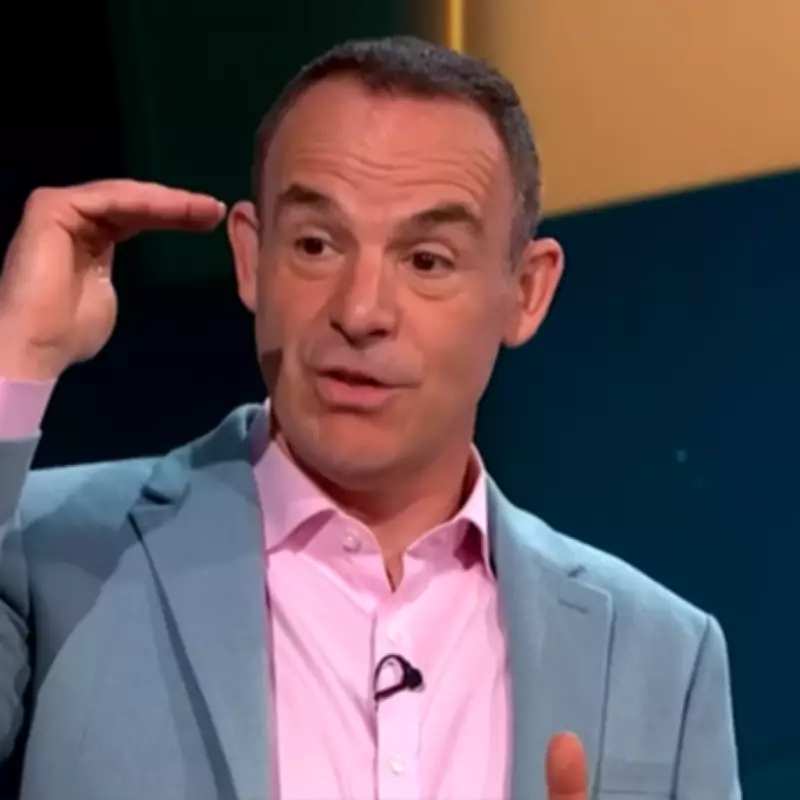
Consumer finance expert Martin Lewis has highlighted a straightforward method for millions of households to significantly reduce their energy expenses following Ofgem's latest announcement. The founder of Moneysavingexpert.com welcomed the regulator's decision to lower the energy price cap but emphasised that proactive measures remain essential for maximising savings.
Understanding the Ofgem Price Cap Reduction
Ofgem has confirmed a 6.7% average reduction in the energy price cap, effective from April. This adjustment translates to an estimated annual saving of £117 for typical households on standard variable tariffs. However, Martin Lewis cautioned that this figure is somewhat misleading, as it spans a twelve-month period while the price cap itself will be reviewed again in just three months.
The price cap exclusively applies to standard variable tariffs, which are the default options for over 60% of UK homes. These tariffs affect customers who have never switched providers or whose fixed deals have expired without action. Individuals on fixed or special tariffs are not subject to the price cap restrictions.

Substantial Savings for Fixed Rate Customers
In an unprecedented development, policy changes announced in the recent Budget will also benefit those on fixed energy deals. Most existing fixed tariffs are set to decrease by 7% to 9% starting 1 April, depending on usage patterns. This reduction stems from the removal of policy costs across all energy bills.
Martin Lewis noted, "This unprecedented move is because the change is due to the policy costs which come off all bills." He clarified that some smaller energy firms, exempt from the ECO scheme, will see smaller reductions as they were not participating in the initiative.
The Simple Switch Strategy
When asked about the optimal time to switch energy providers, Lewis strongly advocated for immediate action. "That's by far the simplest way to save," he advised. Currently, the cheapest fixed deals are approximately 14% lower than the existing price cap. With further reductions anticipated in April, this favourable differential is expected to persist.
Lewis elaborated, "The biggest savings will be for higher electricity users." He encouraged households to explore fixed rate options, which typically offer greater stability and cost-effectiveness compared to standard variable tariffs.
Alternative Options for Lower Usage Households
For consumers with lower energy consumption, Martin Lewis highlighted an alternative solution. EDF has introduced a price cap tracker that mirrors the Ofgem cap rate while providing a £100 reduction on standing charges for one year. This option may appeal to those seeking flexibility without committing to a fixed contract.
Future Price Cap Predictions
Addressing concerns about potential fluctuations in energy costs, Lewis provided insights into Ofgem's pricing trajectory for the remainder of the year. "As the reduction of policy costs is ongoing, the April Cap is new bench-line," he explained. While long-term forecasting remains uncertain, most industry analysts anticipate the price cap will remain within a few percentage points of the April level throughout 2026.
Martin Lewis's advice underscores the importance of proactive energy management. By comparing tariffs and considering fixed deals, households can achieve substantial financial relief amidst evolving market conditions.