Middle East Conflict Triggers UK Cost-of-Living Squeeze
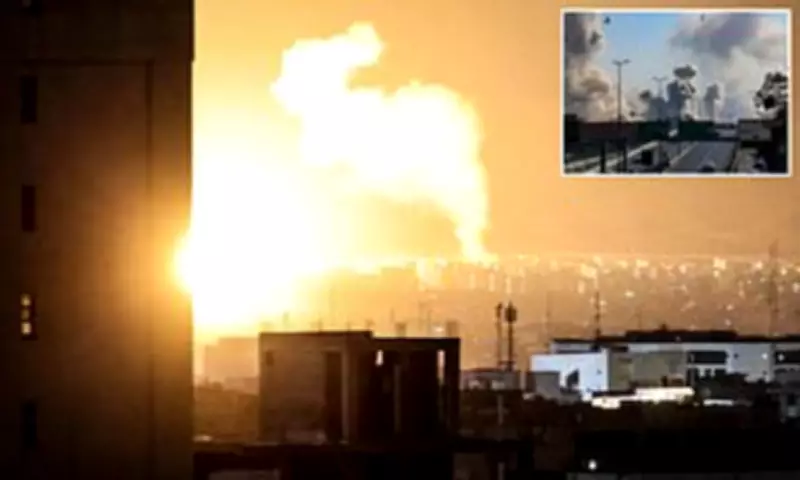
Despite being over 3,000 miles from the UK, the escalating conflict between US-Israeli forces and Iran is poised to deliver a severe blow to British household finances. The fallout, expected to persist for months, will manifest through sharply higher energy bills, increased mortgage rates, and rising grocery prices, creating a perfect storm for consumers already grappling with economic pressures.
Energy Market Turmoil and Price Cap Concerns
Greg Jackson, chief executive of Octopus Energy, has warned that energy markets are "in turmoil" following the intensification of hostilities in the Middle East. In response to soaring wholesale oil and gas prices, Octopus has increased fixed-price tariffs and introduced exit fees for these plans. This move mirrors actions across the sector, with many major suppliers withdrawing fixed deals entirely.
Data from Uswitch reveals that the number of available fixed tariffs has more than halved in the week since the conflict began. Those remaining have seen significant price hikes, as they are more directly tied to volatile wholesale markets. While most UK households are protected by the falling price cap—set to drop by 7 percent from April 1—experts predict a worrying reversal. Forecasts from Cornwall Insight indicate the cap could surge by around 10 percent from July, pushing a typical annual dual fuel bill to approximately £1,801.

"Fixed tariffs are based on buying a year's worth of energy wholesale on the day you sign up," Jackson explained. "With wholesale markets reflecting the war's impact, new fixed tariffs are higher. Some companies won't offer them at all due to pricing uncertainty." He noted that current fixed deals are typically £100 more expensive annually than before the conflict.
Global Supply Disruptions and Economic Ripples
The conflict's direct impact on energy infrastructure is profound. Iran has effectively closed the Strait of Hormuz, a vital conduit for 20 percent of global oil and gas supplies. Simultaneously, Qatar has declared it cannot honour gas delivery contracts following damage to liquefied natural gas (LNG) sites. These disruptions have roughly doubled wholesale gas prices in a week.
Although the UK and Europe do not heavily rely on Qatari LNG, reduced supply intensifies global competition, particularly with major Asian importers like Japan and South Korea, inevitably pushing prices upward. Ofgem chief executive Jonathan Brearley emphasised to MPs that "our gas supply cannot be separated from global events," though he assured that UK energy supplies remain secure for now.
Mortgage Rates and Inflationary Pressures
The conflict's economic repercussions extend beyond energy. The National Institute of Economic and Social Research (Niesr) warns that persistent spikes in oil and gas prices could force the Bank of England to push interest rates back above 4 percent. This follows initial expectations of rate cuts this year.
Mortgage lenders are already reacting. HSBC UK and Nationwide Building Society have increased some rates, driven by rising swap rates that underpin fixed mortgage pricing. Mark Harris of SPF Private Clients noted: "Swap rates have edged higher amid fears that rising prices will fuel inflation. Expectations of a near-term base rate cut have substantially reduced." Several lenders have paused planned rate cuts due to the uncertainty.
Supermarket Shelves and Supply Chain Strains
Shoppers face higher grocery bills as the conflict disrupts global supply chains. Richard Fattall of Zencargo highlighted that prolonged hostilities could lead to fewer available ships, longer delivery times, and increased transport costs. "Delayed shipments will push insurance and freight costs higher and increase energy costs, which will be passed onto households," he said.

Specific products are at risk. Iran, a major supplier of dates, pistachios, walnuts, almonds, and saffron, faces supply route disruptions that could affect global availability. Experts at Expana warn that Asian shrimp shipments to Europe may be delayed or rerouted, potentially causing scarcities. However, some market shifts could lower prices—for instance, poultry and beef shipments from Brazil destined for the Middle East might be redirected to Europe, increasing supply and potentially reducing costs.
Fuel Prices and Travel Costs Set to Climb
Motorists and holidaymakers are also in the firing line. The AA predicts petrol prices will "inevitably increase," possibly returning to levels seen at the start of 2026, when average petrol was 135.7p per litre. AA president Edmund King cautioned that "some global oil distribution disruption will continue depending on the length of the conflict."
Summer holidays could become more expensive due to rising jet fuel costs, which have hit a four-year high. Analyst James Noel-Beswick warned the travel industry is potentially "weeks away from flight cancellations or delays due to lack of jet fuel," as Asian refineries receive less crude. He added that even if the conflict resolves quickly, damage to refining and port infrastructure may not be repaired before the summer holiday season, exacerbating disruptions.
Agricultural and Broader Economic Impacts
Higher fertiliser costs, which typically follow energy price surges, pose additional challenges for the agricultural and food sectors. This could further inflate food prices. Meanwhile, Niesr's analysis outlines two scenarios: if energy price spikes are temporary, inflation in 2026 might rise by 0.3 percentage points; if they persist for a year, inflation could increase by 0.7 percentage points in 2026 and 0.5 in 2027, with GDP taking a 0.2-0.3 percentage point hit.
Energy Secretary Ed Miliband has expressed confidence in the UK's robust energy supply, defending the government's stance on North Sea exploration licences and emphasising green energy as a long-term solution. However, with Vladimir Putin threatening to halt Russian gas supplies to Europe amid the turmoil, the situation remains highly volatile.
As the conflict continues, British consumers brace for a multifaceted financial squeeze, with experts urging vigilance over the coming months as global events directly shape domestic economic stability.