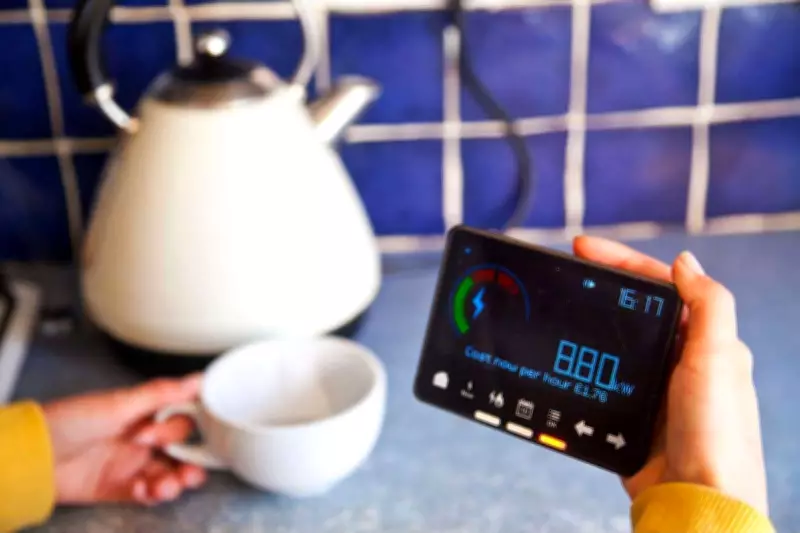
Ofgem has announced a significant reduction in the energy price cap, which will take effect from April 1, 2026. The regulator has cut the cap by £117 annually, setting it at £1,641 for a typical dual fuel household that uses both gas and electricity and pays by direct debit. This change translates to an approximate monthly saving of £10 for average consumers, offering some relief amid ongoing cost-of-living pressures.
Understanding Ofgem's Price Cap Mechanism
The energy price cap establishes a maximum price that suppliers in England, Scotland, and Wales can charge customers for each unit of gas and electricity consumed. It also caps the daily standing charge, which covers the cost of maintaining a home's connection to the national grid. It is crucial to recognise that this cap does not limit total household bills; instead, it regulates unit prices. Therefore, households with above-average energy usage will pay more, while those with below-average consumption will pay less. Energy regulation operates separately in Northern Ireland, where different rules apply.
Key Changes to Energy Bills from April
The upcoming price cap adjustment marks the first implementation of Chancellor Rachel Reeves' pledge, made in November, to reduce average household energy bills by £150. This reduction is achieved through two primary measures: shifting 75% of Renewables Obligation (RO) costs from household bills to general taxation, and discontinuing the Energy Company Obligation (Eco) scheme. The Eco scheme, introduced by the previous Conservative government, aimed to combat fuel poverty by funding housing improvements but faced persistent delivery issues. As a result, customers will see lower electricity unit rates, though the discount is applied per unit rather than as a lump sum.

Why the £150 Discount Isn't Directly Visible
Consumers should not expect a straightforward £150 deduction on their bills. The savings are distributed through reduced unit rates, meaning the actual discount varies based on household size, type, and energy usage patterns. Additionally, part of these savings has been offset by increased costs associated with the operation and maintenance of gas and electricity networks, which are funded through customer bills. This nuanced approach ensures that the benefits are tailored to individual consumption levels.
Actions for Households to Consider
Energy suppliers will soon provide detailed information to customers explaining the price cuts, particularly regarding revised unit rates for gas and electricity. This information is vital for those contemplating a switch from the price cap to a fixed tariff, as comparing unit prices is essential for identifying cost-effective deals. Households are advised to review these communications carefully to make informed decisions about their energy contracts.
Is Switching to a Fixed Tariff Advisable?
Investigating fixed deals remains a prudent strategy, but consumers must consider potential exit fees and contract durations. Which? recommends seeking tariffs that are cheaper than the price cap, have terms no longer than 12 months, and impose minimal exit fees. However, the End Fuel Poverty Coalition cautions that some fixed tariffs may not incorporate the latest cap reduction, potentially complicating the switching process. They suggest that households might benefit from waiting until the implications of this announcement become clearer before committing to new deals or changing suppliers.
Future Outlook for Energy Prices
Cornwall Insight projects that the price cap will remain relatively stable throughout 2026, with a minor decrease anticipated in July. However, these forecasts are subject to change based on fluctuations in wholesale markets and potential policy announcements. While current trends suggest a period of moderation, external factors could influence future adjustments, underscoring the importance of staying informed about energy market developments.