Oil Markets in Turmoil After US Seizure of Iranian Tanker
Global oil prices experienced a significant surge overnight following an announcement by President Donald Trump that the United States Navy has intercepted and seized an Iran-flagged cargo vessel. This dramatic development has sent shockwaves through international energy markets and escalated tensions in the Persian Gulf region.
Price Volatility and Market Reaction
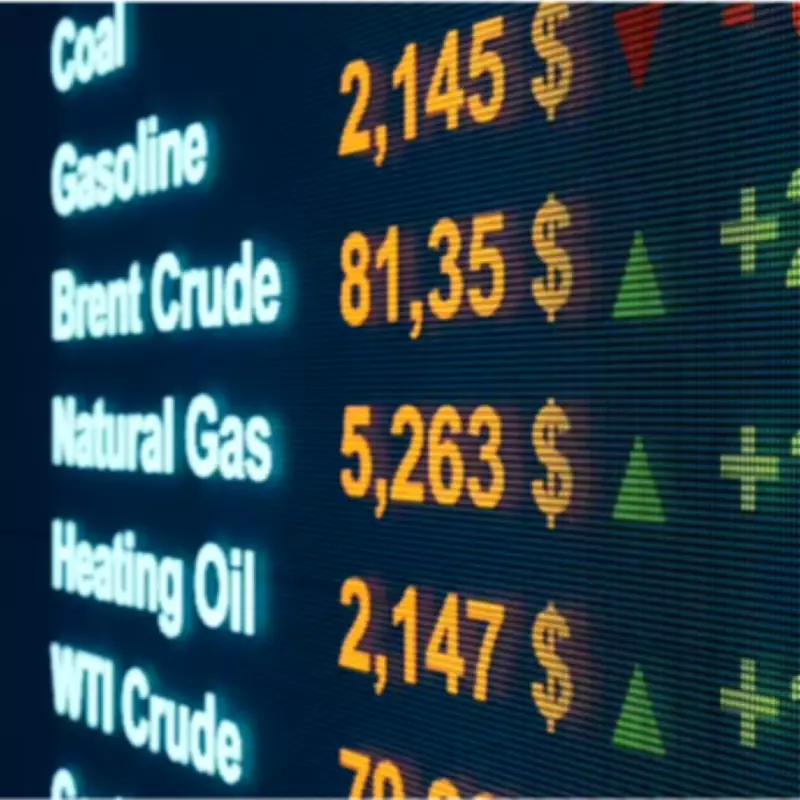
Brent crude futures rose sharply by 4.74% to reach $94.66 (£70.11) per barrel as of 5:30 AM, though this represented a slight retreat from the 7% peak observed earlier during the night. The price movement reflects extreme market sensitivity to geopolitical developments in the critical oil-producing region.
"Oil markets continue to gyrate in response to oscillating social media posts by the US and Iran, rather than the realities on the ground which remain challenging for oil flows to resume in a rapid fashion," noted analyst Saul Kavonic from financial services firm MST Marquee in comments to the BBC. "This is all part of negotiations, physically playing out in real time on the Strait of Hormuz."

Naval Confrontation and Ceasefire Collapse
The incident represents a direct naval confrontation in the Gulf of Oman that has pushed the fragile ceasefire between the United States and Iran to the verge of complete collapse. President Trump announced on Sunday that US forces successfully intercepted and seized the Iranian-flagged cargo ship Touska after it allegedly attempted to breach an American naval blockade.
In response, Iranian state media has condemned the seizure as an "armed robbery" and a blatant violation of the existing truce. Tehran has vowed to keep the strategically vital Strait of Hormuz closed until the United States lifts its maritime siege, creating a major choke point for global oil shipments.
Diplomatic Efforts and Iranian Rejection
Despite the escalating tensions, the United States is proceeding with diplomatic efforts, dispatching a delegation led by Vice President JD Vance to Islamabad, Pakistan, for a second round of peace negotiations scheduled for Monday. However, Iranian officials have already rejected the invitation, signaling a hardening of positions as the ceasefire deadline approaches.
The current ceasefire agreement is due to expire this Wednesday, with Tehran and Washington appearing increasingly distant from reaching any comprehensive peace deal. This represents a stark reversal from just days ago when the situation appeared to be improving.
Recent Price Swings and Strategic Waterway
Oil prices had plunged more than 10% on Friday after Iran declared the Strait of Hormuz would be "completely open" for navigation. Brent crude opened around $98 USD, falling to $86.52 per barrel within less than two hours after Iranian Foreign Minister Abbas Araghchi made the announcement on social media platform X.
The Strait of Hormuz serves as a critical maritime passage through which approximately one-fifth of the world's oil supply passes, making any disruption to traffic through this waterway immediately impactful on global energy markets.
Internal Criticism and Strategic Advice
Meanwhile, President Trump faces internal criticism from former administration officials regarding his approach to the Iranian conflict. Joe Kent, who served as Trump's head of counterterrorism until March, has publicly urged the president to "get out" of the war immediately, even if the withdrawal proves messy.
"POTUS is laying out two courses of action: a negotiated settlement, or a major escalation," Kent stated. "There is a third option, and he should take it. Recognize there is no way to force a positive outcome, and simply leave. Don't double down on failure. Avoid the sunken cost trap, leave now, and put America's interests first."
The situation remains fluid with oil markets likely to experience continued volatility as the Wednesday ceasefire deadline approaches and both nations maintain their hardened positions regarding the strategic Strait of Hormuz.