Qatar Issues Stark Warning on Gulf Energy Exports Amid Iran Conflict
Qatar's Energy Minister, Saad al-Kaabi, has issued a dire prediction that all energy producers in the Gulf region could halt exports within weeks if the current conflict with Iran persists. This warning comes as tensions escalate, with potential severe implications for global oil markets and energy security.
Force Majeure Declarations Expected Across the Gulf
In an interview with the Financial Times, Kaabi stated that exporters across the Gulf are likely to declare force majeure, a legal clause allowing suspension of contracts due to unforeseen circumstances. This move would effectively stop energy shipments from the region, a critical hub for global supply.
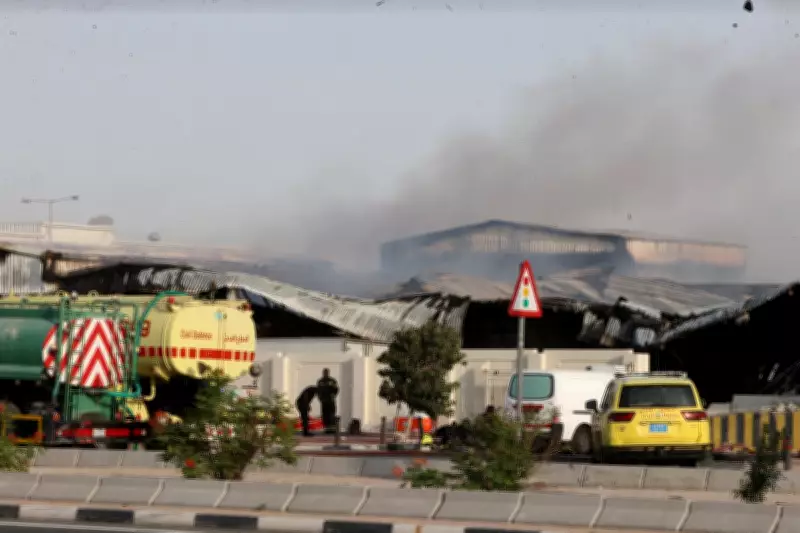
The conflict has already impacted Qatar directly, with the country halting its liquefied natural gas (LNG) production on Monday. This decision was made in response to ongoing Iranian strikes, which are seen as retaliation for actions by Israel and the United States.

Global Energy Markets at Risk of Major Disruption
Qatar's LNG output is a linchpin in global energy markets, accounting for approximately 20% of the world's supply. It plays a vital role in balancing energy needs in Asia and Europe, making any disruption a significant concern for international economies.
Kaabi emphasized that even if the conflict were to cease immediately, it would take Qatar "weeks to months" to resume normal delivery cycles. This delay is due to logistical and operational challenges, despite reports indicating no physical damage to offshore operations so far.
Potential Surge in Oil Prices to $150 a Barrel
The halt in Gulf energy exports could drive oil prices as high as $150 a barrel, according to Kaabi's assessment. This spike would exacerbate existing economic pressures and inflation globally, affecting consumers and industries alike.
This development follows comments from former US President Donald Trump, who noted that oil prices might be "a little high for a little while" as the US wages war in Iran, highlighting the broader geopolitical and economic ramifications of the conflict.
The situation underscores the fragility of global energy supplies in times of regional instability, with Qatar's warning serving as a stark reminder of the interconnected nature of international markets and security.