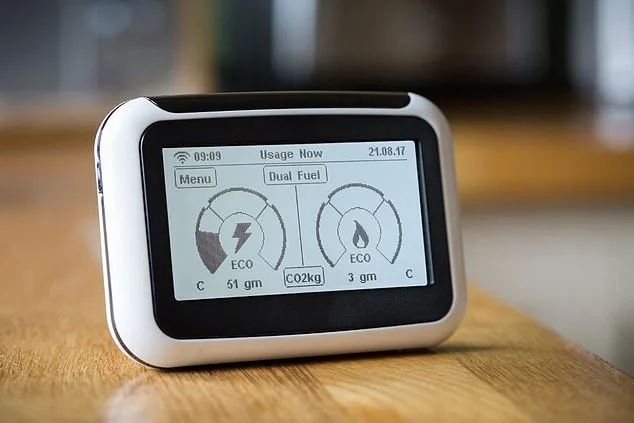
The official body promoting smart meters in the UK has been condemned for misleading households about potential energy savings. Smart Energy GB ran a radio advertisement claiming an average annual saving of 354 kilowatt hours (kWh), but the Advertising Standards Authority (ASA) ruled that the ad was misleading because the meters themselves do not deliver any reduction.
The ASA stated that the overall impression given by the ad was that the smart meter itself would reduce energy usage, when in fact savings only occur if households change their behaviour after seeing real-time usage data. The watchdog banned the advertisement and ordered Smart Energy GB to make it clear in future that any savings depend on consumers monitoring and cutting back on energy use.
The ruling is a blow to Smart Energy GB, which has used the 354 kWh figure as a central part of its marketing campaign. The organisation argued that the figure was based on evidence from the government's energy department, which estimates an average annual reduction of 2% per household after smart meter installation, equivalent to 354 kWh. However, the ASA found that the main body of the ad failed to sufficiently clarify that savings result from changes in everyday energy usage.

The smart meter rollout, which aims to install meters in every home by the end of 2020, is behind schedule and over budget. Only one in four homes currently has a smart meter, and the total cost is expected to rise by £500 million to £11.5 billion, with costs passed on to customers through an annual levy.