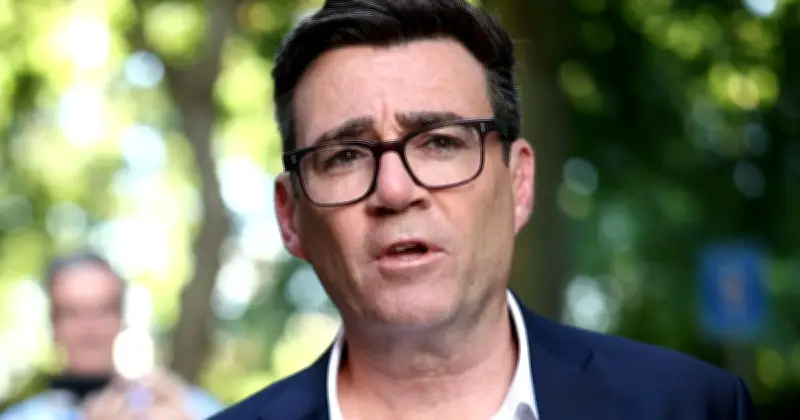
The Office for Budget Responsibility (OBR) has issued a stark warning that the pension triple lock may become unaffordable, adding billions to public spending and potentially causing debt to spiral to three times the size of the economy. The warning comes as Andy Burnham, set to become Britain’s next Prime Minister on July 20, hinted at his plans for the measure.
OBR Projects Unsustainable Debt Levels
Under its baseline scenario, the OBR projects state pension spending will rise from 5% of GDP to about 9% by 2075-2076, driven largely by an ageing population and the triple lock mechanism. The triple lock alone accounts for roughly a third of this increase. If left unaddressed, debt could reach three times the size of the economy, the OBR said.
Introduced by then-Chancellor George Osborne in 2010, the triple lock ensures the state pension rises each year by the highest of inflation, wage growth, or 2.5%. However, volatile inflation and earnings growth have made it more costly than initially expected. The OBR estimates the triple lock will add about £15.5 billion annually to state pension spending by 2029-2030, up from the original £5.2 billion costed in 2012.

Burnham Signals Support for Triple Lock
Andy Burnham, who is expected to succeed Keir Starmer unopposed in the Labour leadership election, indicated last Friday (July 3) that he would uphold the party’s manifesto commitment to retain the triple lock. “It is important that the commitment in the manifesto stands,” Burnham said. Labour’s 2024 general election manifesto explicitly pledges to keep the mechanism in place.
Currently, men and women aged over 66 qualify for the state pension. The OBR noted that if the state pension rose with earnings instead of the triple lock, it would reduce pressure on spending by about 2% of GDP.
Call for Early Action
Tom Josephs of the OBR described the triple lock as “a substantial pressure on public spending over the longer term,” contributing significantly to upward pressure on spending. The OBR used its report to urge the UK to take early action to prevent debt from moving onto an “unsustainable and ever-rising path.”