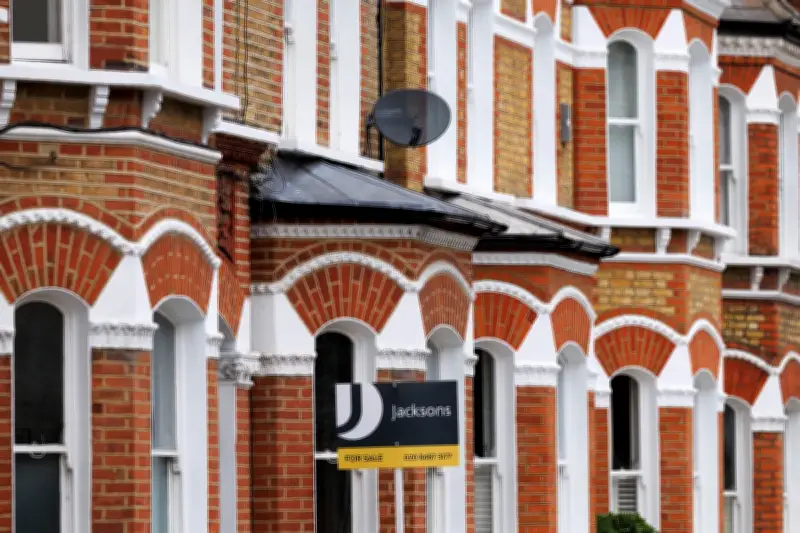
Hundreds of thousands of Londoners could see their property tax bill increase by £1,000 a year, with many more seeing smaller rises, under reforms backed by Greater Manchester Mayor Andy Burnham. The proposed proportional property tax (PPT), championed by the Fairer Share campaign, would replace council tax and stamp duty, applying to homeowners and generating an additional £7.5 billion annually for London.
How the tax works
The PPT would be set at 0.48% of a property's value, with a higher rate of 0.96% for second homes, empty properties, and those owned by foreign nationals. Unlike council tax, renters would not directly pay the PPT, but landlords are likely to pass on at least a share of the cost to tenants. The campaign estimates that the owner of a £700,000 property would pay £3,360 in PPT, roughly equivalent to current council tax for that value.
Boroughs most and least affected
According to Fairer Share's analysis, only four London boroughs would see a majority of households benefit with lower bills: Barking and Dagenham (58%), Islington and Southwark (both 52%), and Hackney (51%). Croydon is at 50%. In contrast, Westminster would be hardest hit, with just 12% of households gaining, as it has high property values and low council tax. Wandsworth follows with 23% gainers, also due to low council tax. Kensington and Chelsea (28%), Barnet (31%), Merton (32%), and Hillingdon (33%) also see low proportions of gainers.

Impact on other boroughs
In Ealing, 35% of households would see their property bill fall; Bromley and Richmond 36%; Harrow 37%; Hammersmith and Fulham and Redbridge 39%; Brent and Kingston 40%; Bexley, Haringey, and Havering 41%; Enfield and Newham 42%; Camden 43%; Lambeth and Sutton 44%; Waltham Forest 45%; Lewisham 46%; Hounslow 47%; and Tower Hamlets 48%. Overall, hundreds of thousands of Londoners could see their property tax rise by £1,000, with many more facing smaller increases.
Caps and long-term effects
Any rise in property tax under the PPT would initially be capped at £1,200 a year, but this cap would disappear once a property is sold. The campaign estimates that around £5 billion would be raised from the 0.96% levy on second homes, foreign-owned properties, and empty housing, with the bulk coming from London.
Fairer Share's perspective
Fairer Share chairman Andrew Dixon told the Standard: "This isn't just sort of the regions versus London. This is London versus London itself, actually, because you will find many nurses, teachers, those working in the public sector often end up paying more council tax than those living in £20 million mansions in Westminster." He added: "We're very grateful for Andy's support. He's been for a long time now a passionate believer in land value tax and in many ways this is a de facto land value tax, very progressive, ensures that there's a flat rate for everyone up and down the country, and also ensures that those with the broadest shoulders pay their fair share."
Current London property values
The average house price in London was £533,000 as of April this year, according to the Office for National Statistics, with flats or maisonettes averaging £431,000. House prices in the capital have fallen for the ninth consecutive month. Many Londoners have large mortgages due to high property costs.