Developer's 'Poor Door' Plan for Mosman Apartments Ignites Housing Segregation Debate
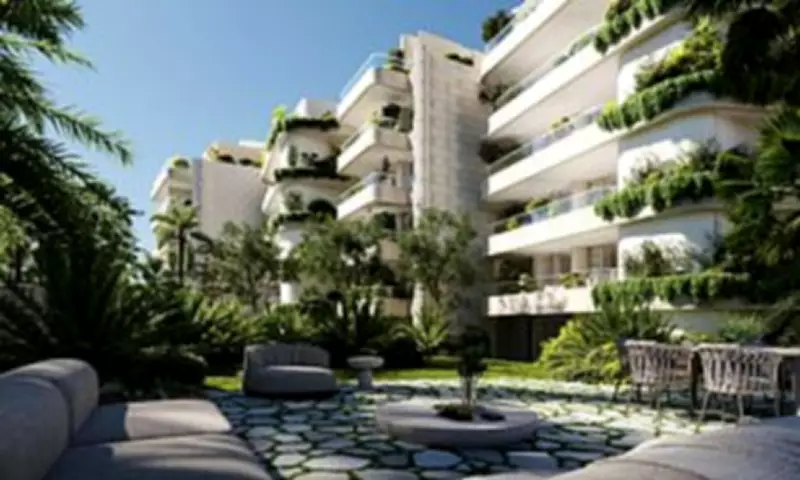
A contentious development proposal in one of Sydney's most exclusive suburbs has sparked intense controversy over housing inequality and architectural segregation. Developer Eterno plans to construct a six-storey apartment block with 34 units in the prestigious Mosman area, featuring two separate entrances—one for tenants paying full market rent and another for those occupying ten affordable apartments at below-market rates.
Separate Entrances for Different Income Groups
The proposed building on Rangers Avenue would implement what critics have dubbed a 'poor door' system, where affordable-housing tenants would use a separate foyer from their wealthier neighbors. This design follows similar controversial arrangements seen at Barangaroo's One Sydney Harbour development, where essential workers in discounted units are barred from facilities available to multimillion-dollar apartment owners.
Planning documents reveal the developer is utilizing New South Wales government incentives that reward developers with additional height and floor space when they include discounted rental units. However, in Mosman—where median property values rank among Australia's highest—even 'affordable' housing remains prohibitively expensive for many residents.

Affordable Housing That Remains Unaffordable
Two-bedroom units in Mosman typically command weekly rents between $830 and $850, meaning the so-called affordable apartments—priced at 80 percent of market rates—would still cost approximately $664 to $680 weekly. This pricing structure has led critics to question the effectiveness of current affordable housing policies in high-cost areas.
'The system of defining "affordable" as a percentage reduction on the area average becomes ridiculous when the baseline is so astronomically high,' commented one local resident. 'What's the point if even the reduced rate remains accessible only to high earners, while people with lower incomes in other areas receive no assistance whatsoever?'
Community Reactions: Division and Defense
Local responses to the proposal have been sharply divided. Some residents have condemned the separate entrances as discriminatory and elitist, with one writing, 'Just what we need—more division to ensure the less fortunate "know their place."' Another described the arrangement as 'downright discrimination' and 'apartment apartheid.'
However, others have defended the setup, noting that the affordable units are part of a separate strata scheme that doesn't include access to amenities like pools or gyms. 'Seems fair,' argued one resident. 'The alternatives would be higher strata fees for affordable tenants or state-subsidized facility use. I'd prefer that funding go toward constructing more housing rather than luxury features for a select few.'
Community housing providers reportedly support the divided design, arguing it prevents affordable-housing tenants from bearing the maintenance costs of upmarket lobbies and premium amenities.
Broader Housing Crisis Context
The controversy emerges against a backdrop of severe rental market pressures across Sydney. According to CoreLogic research director Tim Lawless, rents have surged 44 percent over the past five years—nearly triple the rate of wage growth—leaving increasing numbers of tenants priced out of the market.
'The fact that rental growth is reaccelerating, even after such substantial cumulative increases since 2020, is deeply concerning,' Mr. Lawless stated. 'This indicates demand for rental accommodation continues to far exceed available supply, forcing renters to allocate ever-larger portions of their income toward housing costs.'
Lawless warned that the crisis won't ease without significant boosts to housing supply, including planning reforms and more build-to-rent projects.
Fast-Track Development Process
Developer Eterno is pursuing the project through a State Significant Development Application, a fast-track route that bypasses local council planning controls. The company claims the development will provide 'thoughtfully designed homes that complement the local area while offering housing options for diverse groups including families, downsizers, and essential workers like teachers, nurses, and care staff.'

Nevertheless, the proposal has reignited debates about architectural segregation in Sydney's housing market, with critics arguing that separate entrances based on income levels institutionalize social division and undermine efforts to create genuinely inclusive communities.