A recent analysis has revealed that the five largest home insurance companies in the United States collectively declined more than 44 percent of claims resolved in 2025, leaving homeowners with a near coin-flip chance of receiving payouts. The data, compiled by the Wall Street Journal, examined Allstate, State Farm, Liberty Mutual, United Services Automobile Association (USAA), and Farmers Insurance. A decade ago, the denial rate stood at 36 percent.
Reasons Behind Rising Denials
The increase in nonpayment is largely attributed to insurers attempting to recover from years of losses, exacerbated by a rise in catastrophic weather events such as wildfires, damaging hail, and hurricanes. To offset these losses, companies have raised deductibles, requiring homeowners to pay more before coverage kicks in. Some deductibles now target specific events like hurricanes or hailstorms, and in certain cases, deductibles are calculated as a percentage of a home's value rather than a fixed dollar amount.
Consumer choices also play a role. Policyholders can opt for lower monthly premiums by selecting plans with higher deductibles, which saves money in stable times but leads to higher out-of-pocket costs when disasters strike.

Variation Among Insurers
While the largest firms showed rising denial rates, smaller insurers like Erie Insurance actually paid out on a higher proportion of claims compared to a decade earlier. A USAA spokesperson argued that the Wall Street Journal's analysis was misleading due to a lack of context, stating that fewer than 6 percent of its claims were denied when considering all factors. A State Farm representative similarly claimed that selective data interpretations do not accurately reflect their customer care.
Geographic Disparities
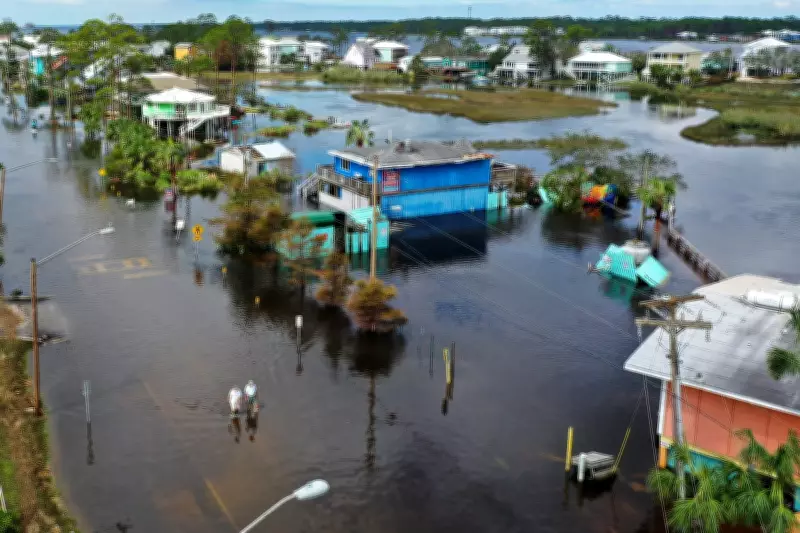
Location significantly influences nonpayment rates. Florida had the highest denial rate, with over two in five homeowners' claims left unpaid in 2024, largely due to back-to-back hurricanes Helene and Milton. Many claims for flood damage, which is not covered by standard policies, were likely rejected. Other states with notably high nonpayment rates include Texas, plagued by hail and flooding, and California, where wildfires and mudslides cause catastrophic damage.
The Independent has sought further comment from the five major insurers cited in the report.