Treasury Examines Tobacco Excise Amid Calls for Freeze to Combat Black Market
The Albanese government is facing mounting pressure to reconsider its tobacco excise policy, as Treasury officials conduct modelling on the relationship between cigarette prices and consumer demand. This move comes amid a significant surge in the illicit tobacco trade, which has cost the budget an estimated $17.8 billion since 2020-21.
Growing Support for Excise Freeze
Experts, including Lachlan Vass from the e61 Institute, argue that a freeze on the federal tobacco excise should be seriously considered. Vass emphasised that Treasury's analysis of price elasticity is a crucial step in evaluating potential reforms. He stated, "There is evidence that the excise policy is failing on multiple fronts," advocating for at least a freeze to allow cigarettes to become cheaper in real terms over time as part of a broader health and enforcement strategy.
Finance Minister Katy Gallagher hinted at possible policy shifts during Senate estimates, noting, "The government keeps all of these matters under review," and acknowledged that there is no single solution to the issue. Treasury is currently consulting with the departments of home affairs and health on this matter.

Impact of Rising Excise on Legal and Illegal Markets
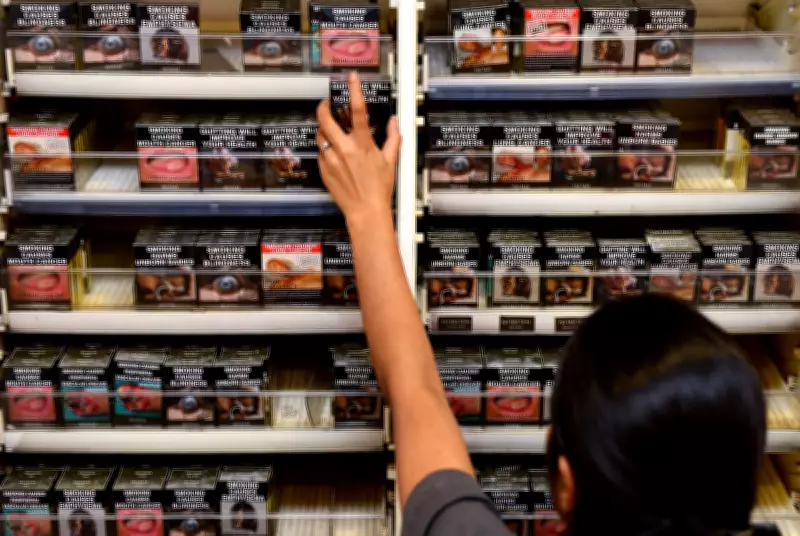
The tobacco excise has increased by 60% since 2020 and is scheduled to rise again next month, accounting for three-quarters of the legal cost of a packet of cigarettes. In contrast, black market cigarettes are sold for about $10 to $15 per packet, compared to $40 or more for legal products. According to estimates from the Illicit Tobacco and E-cigarette commissioner (Itec), illicit tobacco now makes up approximately half of all tobacco consumed in Australia.
Economist Chris Richardson criticised the current tax approach, saying, "We got the taxing of tobacco spectacularly wrong. That meant our policies have subsidised the fastest increase in the revenue of organised crime that Australia has ever seen." Excise revenue peaked at $16.3 billion in 2019-20 but is projected to drop to $5.5 billion this financial year and $4.8 billion in the next.
Health Perspectives and Policy Implications
Becky Freeman, a professor of public health at the University of Sydney, supports freezing the excise at current levels. She argued, "I only support tax increases if they are effective at reducing smoking. And now we know the size of the illicit market and how incredibly cheap those products are, I agree that a freeze at this time makes sense. There wouldn't be any health gains by raising the price."
The government has allocated an additional $350 million over the past two years to help state authorities combat the illicit trade. However, with Treasury deputy secretary Diane Brown confirming ongoing modelling of demand elasticity, the door remains open for potential policy adjustments to address both economic and public health concerns.