Compact cameras are making a surprising comeback. After being written off as dead a few years ago due to the rise of smartphone photography, they are now experiencing a revival. A new generation of users is rediscovering the pleasure of a dedicated camera, and they offer a viable alternative to the bulk and complexity of mirrorless systems. The range of options available today is genuinely interesting, from pocketable point-and-shoots to high-end medium-format compacts.
Best compact cameras at a glance
- Best overall: Sony ZV-1 II - £625
- Best for families: Canon IXUS 285 HS - £370
- Best for vlogging: Canon PowerShot V1 - £990
- Best premium: Fujifilm GFX100RF - £4,699
- Best for creative photographers: Fujifilm X Half - £499
- Best travel zoom: Panasonic TZ99 - £519
- Best action-to-compact crossover: Insta360 Ace 2 Pro Xplorer Bundle - £309
Sony ZV-1 II: Best compact camera overall
The Sony ZV-1 II is the much-anticipated follow-up to a camera that disrupted the compact market. It builds on that foundation with improved features. The build quality is solid, designed for everyday use by serious content creators. It is compact enough to slip into a pocket and well-balanced for one-handed use, with a fully articulated screen that is one of its most useful features.
The camera's setup is quick, and the menu system is relatively intuitive. The AF system is surprisingly fast and intelligent, with automatic subject detection. The headline feature is product showcase mode, which focuses on any object brought up to the lens, designed with content creators in mind.

Image quality in bright daylight is excellent, with the 1-inch stacked sensor delivering great colour and dynamic range. The f/1.8 maximum aperture helps in low light, giving natural background blur. Video is where the ZV-1 II really stands out, capturing 4K at 30fps, 4K at 120fps with a crop, and featuring S-Log3 and S-Cinetone colour profiles for serious video work.
The 18-50mm equivalent zoom range is ideal for vlogging and travel, though limited for telephoto. Battery life is around 260 shots per charge, so a spare battery is recommended.
Canon IXUS 285 HS: Best compact camera for families
The Canon IXUS 285 HS is a throwback to the early 2000s, with a familiar slim design. The build quality is exceptionally high, and it offers excellent value. Getting started is straightforward: pop in the battery and microSD card, set the date, and you are shooting within minutes. The menu is intuitive, and auto mode covers virtually everything.
In good light, image quality is excellent, with bright, vibrant colours. The 12x optical zoom is a great feature, holding up well across the full range. In lower light, the small sensor shows its limits, but the built-in flash gives a distinctly vintage quality that many find appealing.
Connectivity includes Wi-Fi and NFC for remote live view and shutter release via the Canon Camera Connect app. This is a 2025 refresh of a design from 2016, but it remains a great compact for families and travellers who want something better than a phone without complications.
Canon PowerShot V1: Best compact camera for vlogging
The Canon PowerShot V1 sits at the premium end of the compact market. The build quality immediately reflects that, aimed at enthusiasts who want mirrorless features in a portable package. It even includes a built-in three-stop ND filter, a feature many wish Canon would bring to larger cameras.
Setup takes a couple of minutes, and the fully articulated touchscreen makes navigation familiar to Canon users. The control layout mirrors Canon mirrorless cameras, with programme auto, aperture priority, shutter priority, and full manual modes. For beginners, it might feel overwhelming, but enthusiasts will find it instantly familiar.
Handling is a step up from smaller compacts, with a proper grip and well-placed dials. The 16-50mm equivalent focal range is ideal for landscapes and vlogging, but limited for wildlife. Image quality in bright daylight is on par with many mirrorless cameras, thanks to the larger 1.4-type sensor (roughly Micro Four Thirds). Low-light performance is genuinely good at higher ISOs.

Video is outstanding, with 4K at 60p, 1080p at 120fps, 10-bit C-Log 3, and S-Cinetone. A built-in cooling fan enables extended recording without overheating. The Canon Camera Connect app is reliable for remote shooting. The only concern at this price is the lack of weather sealing.
Fujifilm GFX100RF: Best premium compact camera
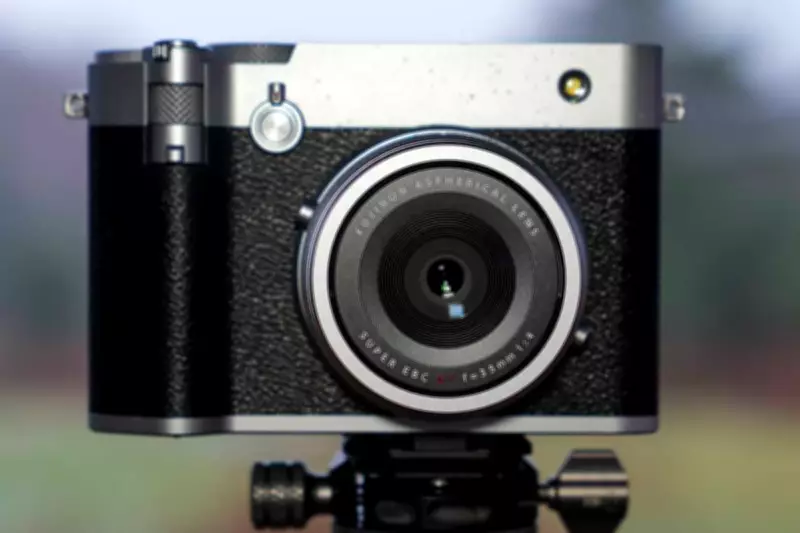
The Fujifilm GFX100RF is something completely different. Its compact dimensions house a 102MP medium-format BSI CMOS sensor, larger than APS-C and full-frame sensors in most mirrorless cameras. The design is distinctly retro, with machined aluminium dials, a clean top plate, and a fixed 35mm equivalent lens.
Fujifilm cameras can take a little getting used to, with physical dials for shutter speed and exposure compensation. The Q button accesses most functions, and film simulation modes are available via a dedicated dial. Once accustomed, the tactile experience is rewarding.
The fixed 35mm lens means no zoom, forcing you to compose by moving closer or farther away. A digital teleconverter lever gives crop modes simulating 35mm, 50mm, and 63mm equivalents. Image quality is exceptional, with colour depth, dynamic range, and tonal graduation that no other camera in this test can match. In low light, the large sensor maintains colour and detail at ISOs where smaller sensors would show noise.
The Fujifilm XApp connects via Bluetooth and reconnects automatically. Video capability is limited to 4K at 30fps with F-Log, but stills are the focus. The price will limit its audience, but for enthusiasts or professionals who want medium-format image quality in a portable package, it is one of the most rewarding cameras on the market.
Fujifilm X Half: Best compact camera for creative photographers
The Fujifilm X Half is a considerably cheaper camera with a plastic build, but it feels solid and comfortable. Setup is straightforward, and controls are accessible for entry-level users. The rear screen is intentionally small to discourage immediate review of every shot, with a mode that limits shots and prevents review, simulating a film roll.
The unique feature is the half-frame portrait format, working in portrait orientation from the start. It also offers a diptych mode for taking two consecutive shots automatically paired, great for street photography and narrative. Fujifilm's colour science and film simulation modes are well integrated, with a dedicated dial for flicking through Velvia, Provia, Astia, Classic Chrome, and black-and-white options like Acros.
In good light, image quality is excellent, with Fujifilm's colour science simulating traditional film. In low light, the smaller sensor shows its limits with some loss of detail and saturation. Video is limited to 1080p at 30fps. The Fujifilm XApp connects via Bluetooth for remote shooting and image transfer.
The X Half is for anyone who wants to think differently about photography and get creative. If you want a straightforward camera, this isn't it. But if you want a camera that makes every shoot feel like a creative decision, it is one of the most interesting options on the market.
Panasonic TZ99: Best compact camera for travel zoom
The Panasonic TZ series has been a popular travel camera for over a decade, and the TZ99 is the latest iteration. The build quality is superb, robust yet pocketable. Setup is simple, and auto mode handles everything, making it easy for beginners while offering manual settings for enthusiasts.
Ergonomics are genuinely good, with physical controls for main functions. The standout feature is the 30x optical zoom (25-750mm equivalent), which is huge. In bright sunlight, image quality is impressive across the full zoom range, considerably better than any smartphone zoom at equivalent lengths. The Leica DC Vario-Elmar lens delivers excellent sharpness and colour rendering from wide to telephoto.
In lower light, the small sensor shows its limits, but noise is well managed, and the built-in flash is useful for evening shots. Video is limited to 4K at 30fps, enough for travel clips. The Panasonic Image App connects quickly for remote control. If you want a single small camera that covers everything from wide landscapes to distant wildlife without changing lenses, the TZ99 is the one to take.
Insta360 Ace 2 Pro Xplorer Bundle: Best action-to-compact crossover
The Insta360 Ace 2 Pro is an action camera, but with the Xplorer bundle, it earns its place in a compact camera round-up. The bundle includes a camera, metal cage, grip, utility frame, cold shoe, wrist strap, and two batteries. Getting started takes a little longer due to activation and registration, but once done, the camera is easy to use with a large rear touchscreen.
The Xplorer cage makes it the most durable camera in this test, with a metal construction that can survive conditions that would destroy other compacts. The cage adds cold shoe mounting for accessories and a grip for one-handed shooting. Image quality in bright daylight is vibrant and sharp, thanks to the Leica Summarit co-engineered lens. The ultra-wide field of view gives a distinctive style; zoom is digital, so edge definition isn't as good as dedicated compacts, but overall quality is on par with premium smartphones.
The 1/1.3-inch sensor is the second largest on test, and low-light results are better than expected from an action camera, with dual AI chip processing handling noise well. Video is outstanding: 8K at 30fps, 4K at 120fps, and 1080p at 240fps, with Horizon Lock for level footage regardless of camera tilt.
The Insta360 app is powerful but crowded, sometimes making it difficult to find what you need. If you are looking for a compact camera for travel that can also function as an action camera, the Xplorer bundle is a superb and slightly unusual option.
How to choose the best compact camera
When choosing a compact camera, consider what you will use it for. For families and casual travel, a simple point-and-shoot like the Canon IXUS 285 HS is ideal. For vlogging and content creation, the Sony ZV-1 II or Canon PowerShot V1 offer excellent video features. For creative photography, the Fujifilm X Half provides a unique experience. If you need a long zoom for wildlife or safari, the Panasonic TZ99 is unbeatable. For the best image quality possible, the Fujifilm GFX100RF is in a league of its own. And if you want a camera that can switch between action and everyday use, the Insta360 Ace 2 Pro Xplorer Bundle is a versatile choice.
How we tested
For each camera, we started from unboxing, first setup, connecting to a smartphone, and working through main features before shooting in a range of conditions. Key criteria included build quality, ease of setup, handling, image quality in good and low light, video potential, smartphone app, and overall impression for the intended market. All products were tested extensively in real-world conditions to ensure honest and unbiased reviews.