It used to be as simple as checking that pupils hadn't written on their hands. But now examiners are having to look out for exam cheats wearing smart glasses, regulators warn.
Ofqual warns of new cheating threat
The threat of computerised spectacles to boost their scores in A-level and GCSEs 'should not be underestimated', examinations watchdog Ofqual said. Chief regulator Sir Ian Bauckham said the days of pupils simply looking at their phones or writing on their hands in order to cheat are over.
Speaking on his podcast, he said: 'There are of course other devices, there are smart watches and smart all sorts of things. There might be smart spectacles next ... that will play text across the inside of the lens that only the student can see.'

He added that Ofqual had to 'move really fast, because technology is moving fast'. Asked about the reality of pupils avoiding detection and taking their devices into exam halls, he said: 'We shouldn't underestimate the challenge involved here.'
Smart glasses already on the market
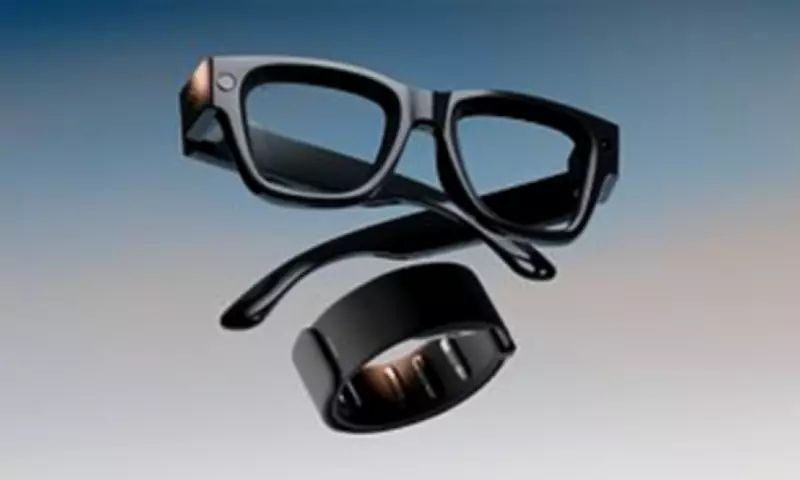
Smart glasses are already on the commercial market, featuring cameras, headphones and lenses acting as a computer screen display. There have been cases of people being filmed without their consent by those wearing smart glasses, which are almost undetectable from regular ones.
Sir Ian added that a new legal ban on use of mobiles during the school day should reduce the threat of cheating, with pupils now required to keep them in lockers. He said: 'It is then much easier for invigilators to enforce that rule. While students are allowed to have mobile phones in school but not in the exam, you have a point of tension, a point of conflict.'
Mobile phone offences on the rise
Ofqual data shows mobile phone and smart device offences accounted for 2,225 malpractice cases in exams last summer. This represented 44.3 per cent of all student malpractice, up from 41 per cent in 2024. It has been the most common category of student cheating every summer since 2018.
Students who take their phones or devices into exam halls risk losing marks or disqualification, preventing them from obtaining a qualification, Sir Ian warned.