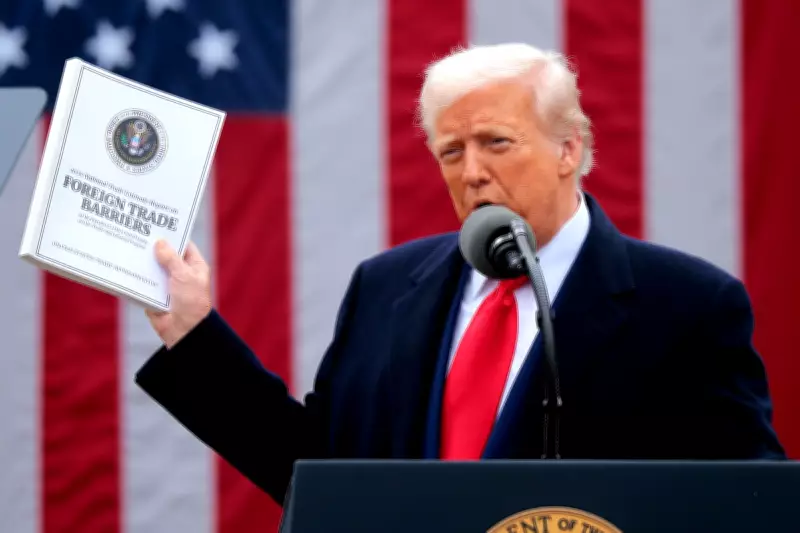
Supreme Court Strikes Down Trump's Sweeping Global Tariffs
The Supreme Court has delivered a significant blow to President Donald Trump's trade agenda by striking down his expansive global tariffs in a 6-3 decision on Thursday. However, this ruling does not signal the end of his tariff regime, as the administration anticipates maintaining the framework under alternative legal authorities.
Legal Basis for the Ruling
Justices found that the tariffs were unlawfully imposed under the International Emergency Economic Powers Act of 1977. Chief Justice John Roberts, writing for the majority, emphasized that the president must have clear congressional authorization to exercise such broad powers. "The president asserts the extraordinary power to unilaterally impose tariffs of unlimited amount, duration, and scope. In light of the breadth, history, and constitutional context of that asserted authority, he must identify clear congressional authorization to exercise it," Roberts stated.
Implications for Trump's Trade Policies
While the Supreme Court's decision invalidates the current tariff plan, it does not prevent Trump from imposing duties under other laws. Administration officials have indicated that these alternative statutes, though more limited in speed and severity, could be used to keep similar levies in place. This suggests that the trade war initiated by Trump is likely to continue, albeit with potential adjustments to comply with legal constraints.

The ruling represents a major setback for the MAGA agenda, but the administration's exploration of workarounds highlights its determination to persist with protectionist trade measures. The ongoing legal and political battles over tariffs are expected to shape international trade relations and domestic economic policies in the coming months.