UK Anticipates Continued Privileged US Trade Despite Supreme Court Tariffs Ruling
The US Supreme Court's decision to strike down Donald Trump's reciprocal tariffs has sparked uncertainty over the status of previous trade agreements between Britain and the United States. However, ministers and government officials express confidence that Britain's advantageous trading position with the US will remain intact.
The ruling, delivered on Friday by a 6-3 majority, determined that a 1977 law did not grant President Trump the authority to impose tariffs without congressional approval. This decision represents a significant setback for Trump's economic agenda, which had levied tariffs on most nations last April under emergency powers legislation.
Impact on UK-US Trade Deals
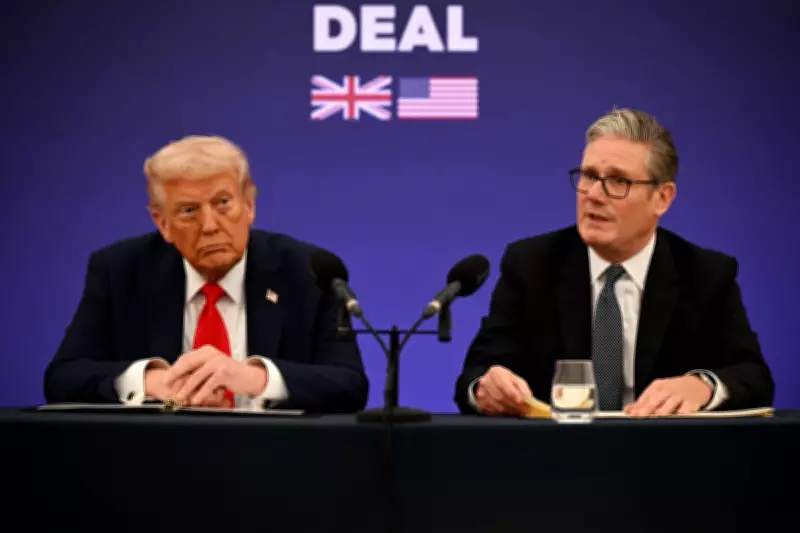
Britain had secured the lowest tariff rate of 10% under Trump's policy, with subsequent negotiations between Sir Keir Starmer and the former president yielding additional exemptions for the UK's steel industry and car manufacturers. The Supreme Court's verdict now casts doubt on whether these arrangements remain valid.

Nevertheless, officials understand that the ruling is unlikely to affect the majority of UK trade with America, including preferential terms for steel, automobiles, and pharmaceuticals. A government spokesperson emphasized, "This is a matter for the US to determine, but we will continue to support UK businesses as further details are announced."
The spokesperson added, "The UK enjoys the lowest reciprocal tariffs globally, and under any scenario we expect our privileged trading position with the US to continue. We will work with the Administration to understand how the ruling will affect tariffs for the UK and the rest of the world."
Political and Business Reactions
Conservative leader Kemi Badenoch, speaking to reporters in Scotland, welcomed the decision, stating she was "thrilled" and noting that "tariffs are expensive for both sides." She explained, "The consumer in the US pays more, as does the supplier in the UK or in other countries, so I hope that this holds."
From a financial perspective, the US has collected over $133 billion (£98.4 billion) since the tariffs were implemented and now faces potential refunds to importers. William Bain, head of trade policy at the British Chambers of Commerce (BCC), cautioned that the ruling fails to "clear the murky waters for business" regarding US tariffs.
Bain warned that Trump could utilize alternative legislation to reimpose tariffs, urging that "for the UK, the priority remains bringing tariffs down wherever possible." He stressed the importance of ongoing negotiations on steel and aluminium tariffs and reducing other potential duties.
Broader Implications and Criticisms
Campaign group Best for Britain highlighted the instability of engaging with Trump's America, arguing that the decision "underlines the instability of doing deals with Trump's USA and the importance of forging deeper, more reliable trade with our EU neighbours."
This development underscores the volatile nature of international trade relations and the legal challenges surrounding executive power. As the UK government prepares to collaborate with US authorities, businesses on both sides of the Atlantic await clarity on future tariff policies and the endurance of special trade agreements.