UK Confident in Privileged US Trade Position Despite Tariffs Overturn
The British government has expressed strong confidence that the United Kingdom's privileged trading position with the United States will remain intact, following a landmark decision by the US Supreme Court to strike down former President Donald Trump's reciprocal tariffs. This ruling, delivered on Friday 20 February 2026, represents a significant setback to Trump's economic agenda, but UK officials believe it will not fundamentally disrupt the special trade arrangements between the two nations.
Background and Impact of the Supreme Court Decision
Donald Trump's reciprocal tariffs, which were imposed on most countries globally in April of the previous year under an emergency powers law, were overturned by the US Supreme Court in a decisive 6-3 majority ruling. The court determined that a 1977 statute did not grant the president authority to levy such tariffs without explicit approval from the US Congress. Since their implementation, these tariffs have generated over 133 billion dollars (approximately £98.4 billion) in revenue for the US government, which now faces the complex prospect of refunding these sums to affected importers.
UK's Unique Position and Industry Protections
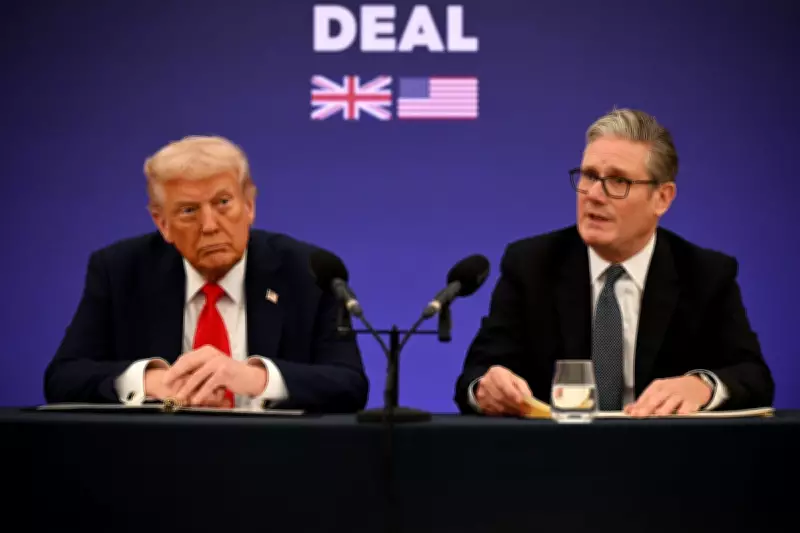
Amid the broader global tariffs, the United Kingdom secured the most favourable terms, receiving the lowest tariff rate of just 10%. Furthermore, a subsequent agreement negotiated by Prime Minister Sir Keir Starmer and former President Trump established additional carve-outs specifically for Britain's steel industry and car manufacturers. These preferential deals were designed to shield key sectors from the full brunt of the tariffs, providing a competitive edge in transatlantic trade.

While the Supreme Court's decision raises questions about the ongoing validity of these bilateral arrangements, senior officials in London are understood to believe that the ruling will not impact the majority of UK-US trade, including the advantageous terms for steel, automobiles, and pharmaceuticals. A Government spokesman emphasised, "This is a matter for the US to determine, but we will continue to support UK businesses as further details are announced. The UK enjoys the lowest reciprocal tariffs globally, and under any scenario we expect our privileged trading position with the US to continue."
Political and Business Reactions
Conservative leader Kemi Badenoch, speaking to reporters in Scotland, welcomed the court's decision, stating she was "thrilled" by the outcome. She elaborated, "Tariffs are expensive for both sides. The consumer in the US pays more, as does the supplier in the UK or in other countries, so I hope that this holds." Her comments reflect a broader political consensus on the detrimental effects of protectionist trade measures.
However, the business community has responded with cautious optimism. The British Chambers of Commerce (BCC) noted that the ruling does little to "clear the murky waters for business" surrounding US trade policy. William Bain, head of trade policy at the BCC, warned that Trump could potentially utilise other legislative mechanisms to re-impose tariffs, underscoring the ongoing uncertainty. He stressed, "For the UK, the priority remains bringing tariffs down wherever possible. It's important the UK Government continues to negotiate on issues like steel and aluminium tariffs and reduces the scope of other possible duties."
Broader Implications and Future Outlook
Campaign group Best for Britain seized on the ruling to highlight the inherent instability of trade agreements with Trump's administration, advocating for deeper and more reliable trade partnerships with European Union neighbours. This perspective underscores the geopolitical dimensions of the decision, as the UK navigates its post-Brexit trade strategy.

Looking ahead, the UK government has committed to working closely with the US administration to fully comprehend the implications of the Supreme Court's ruling on tariff structures for Britain and the wider world. The spokesman added, "We will work with the Administration to understand how the ruling will affect tariffs for the UK and the rest of the world." This collaborative approach aims to safeguard the privileged trade status that has been a cornerstone of the UK's economic relationship with the United States, ensuring continuity and stability for businesses on both sides of the Atlantic.