In a significant development aimed at stabilising turbulent global energy markets, the United States is actively considering the removal of sanctions on further volumes of Russian oil. This move comes as the escalating military conflict between the US-Israel alliance and Iran sends crude prices soaring, threatening broader economic stability.
Market Relief Measures Announced
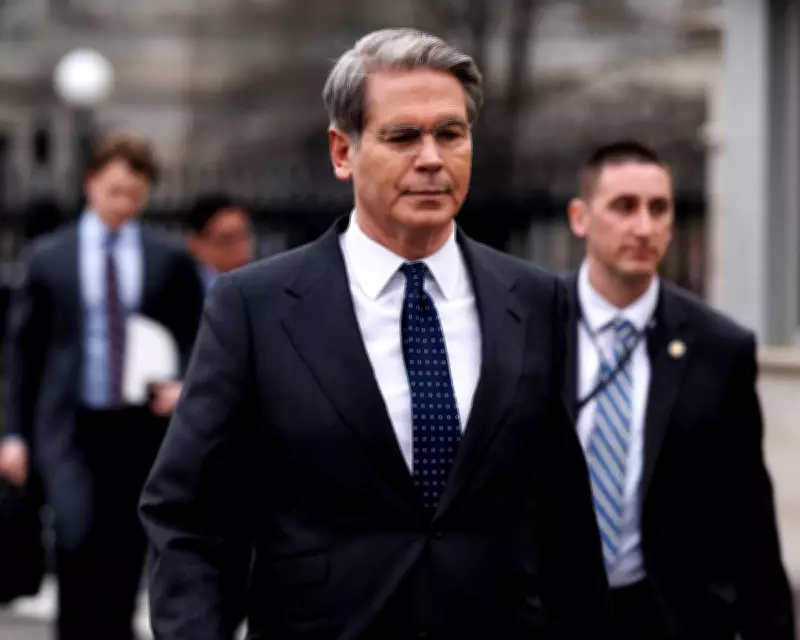
US Treasury Secretary Scott Bessent confirmed the potential policy shift during a televised interview on Friday. He stated that the Trump administration is evaluating measures to "bring relief to the market during this conflict," with a specific focus on unsanctioning hundreds of millions of barrels of Russian crude currently in transit.
"We may unsanction other Russian oil," Bessent told Fox Business. "There are hundreds of millions of barrels of sanctioned crude on the water. And in essence, by unsanctioning them, Treasury can create a supply."

Context of the Iran Conflict
The announcement follows a week of severe market disruption triggered by the US-Israel war on Iran and Tehran's retaliatory strikes across the Gulf region. These hostilities have virtually paralysed activity in the strategically vital Strait of Hormuz, a critical chokepoint for global energy and transport sectors.
Consequently, the price of crude oil surged by 8.5% on Friday alone, culminating in a nearly 30% increase for the week. This spike was further fuelled by a statement from US President Donald Trump, who declared that only the "unconditional surrender" of Iran would end the Middle East war, pushing oil prices above $90 per barrel and raising alarms about global inflation.
Washington's Stance on Russian Restrictions
US officials have been quick to clarify that any new sanctions relief is not intended to ease the broader restrictions imposed on Moscow over its conduct in Ukraine war negotiations. Instead, they emphasise that the measures would solely apply to Russian oil supplies already shipped and in transit, aiming to unlock stranded volumes to increase immediate market availability.
"We're going to keep a cadence of announcing measures to bring relief to the market during this conflict," Bessent added, highlighting that sustained high oil prices represent a significant economic pain point both domestically within the US and for international markets.
Recent Precedent and International Reaction
This consideration builds upon a recent action taken by the US government. On Thursday, it temporarily eased economic sanctions to authorise the sale of Russian oil currently stranded at sea to India. These transactions, including from vessels blocked under various sanctions regimes, are permitted through 3 April 2026.
The potential policy shift has already sparked international dialogue. Kremlin economic adviser Kirill Dmitriev confirmed he is discussing the issue with the United States, posting on social media platform X that "Western sanctions have proven detrimental to the world economy."
The ongoing situation underscores the complex interplay between geopolitical conflict, energy security, and global economic policy, as administrations grapple with mitigating market shocks while maintaining diplomatic pressure.