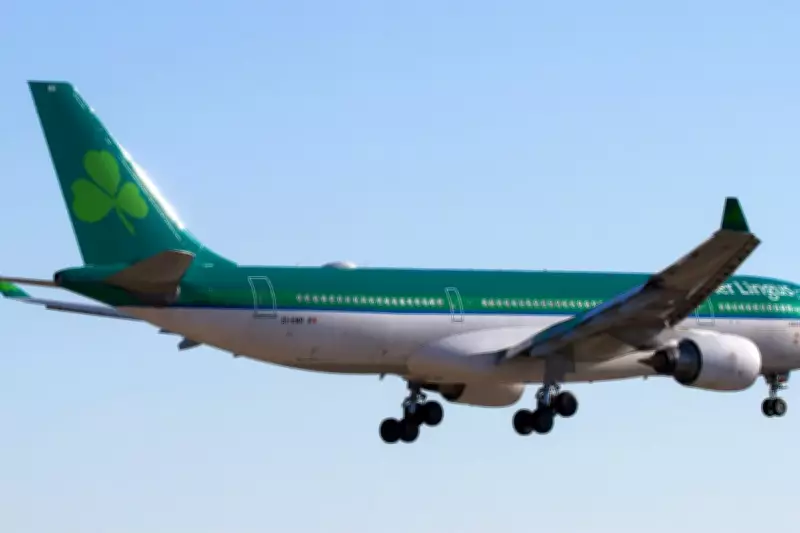
In a significant shift for cross-border travel, Aer Lingus has announced a new policy that will require all passengers journeying between Great Britain and the Republic of Ireland to present a valid passport. This change, effective from 25 February 2026, marks a departure from previous practices where alternative forms of photo identification were accepted.
Aligning with Industry Standards
The updated rule brings Aer Lingus in line with Ryanair's existing requirements, which have long mandated passports for such routes. Previously, travellers could use documents like bus passes or work ID cards, but these will no longer be permissible under the new Aer Lingus policy. This move is seen as a step towards standardising identification protocols across airlines operating in the region.
Contrast with British Airways
Interestingly, British Airways, a sister airline to Aer Lingus, will continue to allow passengers on its London to Dublin services to use recognised photographic identification other than passports. This discrepancy highlights the varied approaches within the aviation industry, even among affiliated carriers, and may prompt discussions about consistency in travel regulations.

Impact on the Common Travel Area
The Common Travel Area (CTA), established in 1923, traditionally permits passport-free travel for citizens between the UK, Ireland, the Isle of Man, and the Channel Islands. Aer Lingus's new policy does not override this arrangement but imposes an airline-specific requirement that could affect passenger convenience and planning. It underscores how individual carriers can introduce rules that add layers to the broader travel framework.
Exemptions and Alternatives
Not all travel options are affected by this change. Ferry companies operating across the Irish Sea will continue to accept alternative forms of identification, offering a passport-free alternative for those crossing by sea. Additionally, domestic Aer Lingus Regional services are exempt from the updated passport rule, meaning passengers on these routes can still use other ID forms as before.
This development is likely to influence travel habits and preparations for passengers, emphasising the importance of checking airline-specific requirements well in advance of journeys between Great Britain and Ireland.