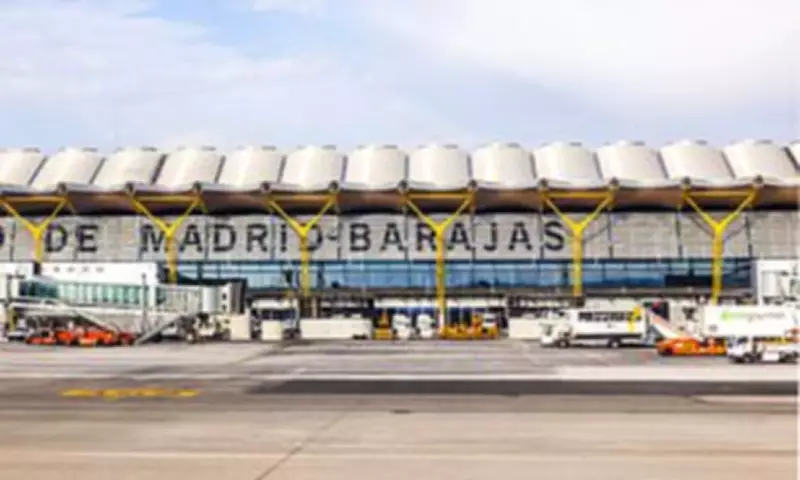
Major airlines have launched a scathing critique of plans to increase airport charges in Spain, branding the proposed hikes as 'unsustainable' and 'unrealistic'. The controversy centres on a draft regulation that would see passenger fees rise annually for five years, a move that has ignited a fierce debate between airport authorities and the aviation industry.
The Proposed Increase and Its Justification
State-owned airport operator Aena, which manages 46 airports across Spain, has put forward the Third Airport Regulation Document (DORA III). This proposal suggests an annual increase in airport passenger charges of 3.8 per cent, to be implemented from 2027 through to 2031. The plan requires approval from Spanish officials before it can proceed.
Aena has robustly defended the proposed surge, arguing it is essential to fund a massive €13 billion (approximately £11 billion) investment programme. In an official statement, the operator explained: 'The goal is to provide airports with the capacity to handle increased traffic in the coming decades and to ensure that the highest standards of safety, maintenance and quality for passengers and airlines as well as environmental sustainability are met, all the while maintaining competitive charges.'

The company emphasised that the fee structure could be adjusted, with potentially lower increases for smaller regional hubs, depending on their size and traffic. Aena's Chairman and CEO, Maurici Lucena, stated: 'This proposal is a demonstration of Aena's firm commitment to passengers and airlines in an environment of highly stressed infrastructures.' He added that the investments are based on exhaustive technical studies and are crucial for sustainable progress, ensuring airport infrastructures do not hinder regional mobility or economic growth.
Airline Industry's Fierce Opposition
In stark contrast, airline associations have vehemently opposed the plans. The International Air Transport Association (IATA) and the Spanish Airline Association (ALA) have jointly criticised Aena's proposal as unrealistic. Instead, they have counter-proposed a significant 4.9 per cent annual reduction in airport charges, excluding inflation adjustments.
The airline groups argue that their alternative plan would still provide Aena with approximately €10 billion (around £8.7 billion) to fund necessary improvements over the same 2027-2031 period. Rafael Schvartzman, IATA's Regional Vice President for Europe, articulated the industry's position: 'Our proposal for a 4.9 per cent cut in charges will improve Spain's competitiveness as an international destination, stimulating investment and job creation across the wider economy.'
Schvartzman further contended that this approach represents a 'win-win for passengers, Spain, and the aviation industry', allowing Aena to afford its investment plan while delivering reasonable returns to shareholders. He expressed hope that regulators would review the evidence thoroughly and reach appropriate conclusions.
Broader Implications and Industry Stance
The dispute highlights a fundamental clash over how to finance critical airport infrastructure upgrades while maintaining Spain's appeal as a tourist and business destination. Aena insists that the proposed charges, even with the increase, will remain the most efficient in Europe and will not directly impact airfares. The operator asserts that 'unfreezing' investments is vital for the sustainable development of airports and the regions they serve.
However, the airline industry remains unconvinced, warning that higher charges could dampen Spain's economic competitiveness. The outcome of this regulatory battle will significantly influence travel costs, airport modernisation, and the broader Spanish economy for years to come. As both sides await the decision of Spanish officials, the aviation sector watches closely, aware that the resolution will set a precedent for infrastructure funding in an era of growing air travel demand and environmental pressures.