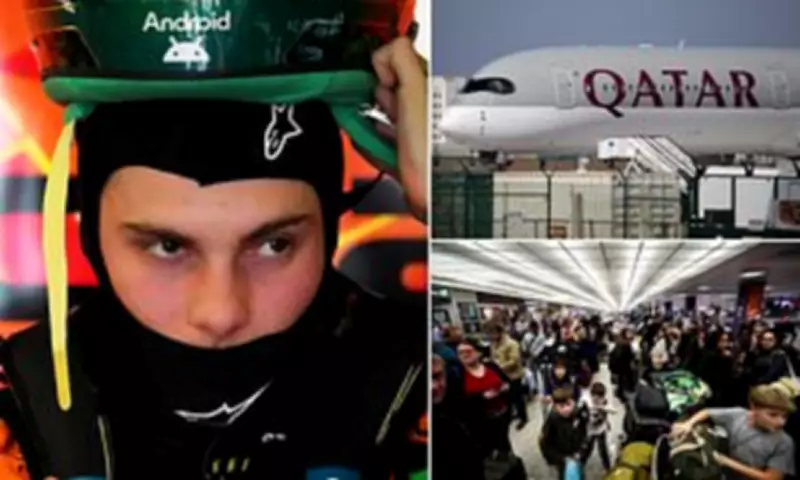
Qatar Airways has made the significant decision to cancel its entire Melbourne Grand Prix hospitality programme, declaring that celebratory events would be inappropriate while numerous passengers remain stranded across the Middle East due to regional airspace closures. The airline, which holds naming rights sponsorship for the race and is a major investor in Virgin Australia, had planned extensive VIP engagements, including a dinner at Marmelo and premium hospitality within Formula 1's exclusive Paddock Club.
Hospitality Withdrawn Amid Passenger Crisis
Invited guests were formally contacted and informed that the scheduled dinner has been scrapped, all hospitality plans cancelled, and race-day invitations withdrawn. Two sources who received these invitations confirmed to The Australian Financial Review that the airline's decision was directly motivated by the plight of its passengers stuck in Doha, as the escalating conflict continues to severely disrupt aviation operations throughout the region.
Qatar Airways officially confirmed this move late on Thursday. A spokesperson stated, 'Due to the ongoing closure of Qatari airspace and the temporary suspension of Qatar Airways' flight operations, the airline has postponed its scheduled media and partner events in Melbourne this weekend.' The spokesperson further explained that the action was taken 'in light of the situation and out of respect for those impacted.'

Widespread Aviation Disruption Across the Region
Air travel across the Middle East has been thrown into profound chaos following US and Israeli airstrikes on Iran, which triggered retaliatory missile and drone attacks. Major aviation hubs, including Dubai, Doha, and Abu Dhabi, have been compelled to restrict or suspend flights entirely, leaving tens of thousands of travellers stranded in uncertain conditions.
According to data from the flight tracking service Flightradar24, more than 21,000 flights have been cancelled since the military strikes commenced. This crisis has also created substantial logistical complications for Formula 1 teams travelling to Melbourne for the season-opening race at Albert Park. Hundreds of F1 personnel were initially stranded across Bahrain and Europe after Gulf airspace closures forced airlines to reroute services extensively.
Grand Prix Proceeds Despite Challenges
Formula 1 management reportedly chartered multiple flights to ensure key paddock personnel could reach Australia in time for the race weekend. Despite the significant disruption, Australian Grand Prix Corporation chief executive Travis Auld has confirmed the event will proceed entirely as planned. Organisers anticipate close to 500,000 spectators will attend the prestigious four-day event in Melbourne.
Meanwhile, operational challenges persist. Hamad International Airport in Doha remains closed because the orientation of its runways makes it exceptionally difficult for aircraft to avoid Iranian airspace, further complicating efforts to resume normal flight operations. Qatar Airways has begun organising limited relief flights from Muscat in Oman and from Riyadh in Saudi Arabia to several European destinations. However, the airline has not yet announced any concrete plans to resume its regular flight services to Australia.
Future Races Under Scrutiny
While the Melbourne Grand Prix appears secure, attention is already shifting to the upcoming Bahrain and Saudi Arabian Grands Prix scheduled for April. FIA president Mohammed Ben Sulayem issued a formal statement addressing the situation. 'As President of the FIA, my thoughts are with all those affected by the recent events in the Middle East,' he said. 'We are in close contact with our Member Clubs, championship promoters and teams as we monitor developments carefully and responsibly. Safety and wellbeing will guide our decisions.'
The cancellation of Qatar Airways' high-profile hospitality underscores the far-reaching impact of the Middle East conflict on global aviation and major sporting events, prioritising sensitivity towards affected passengers over corporate celebration during a period of international crisis.