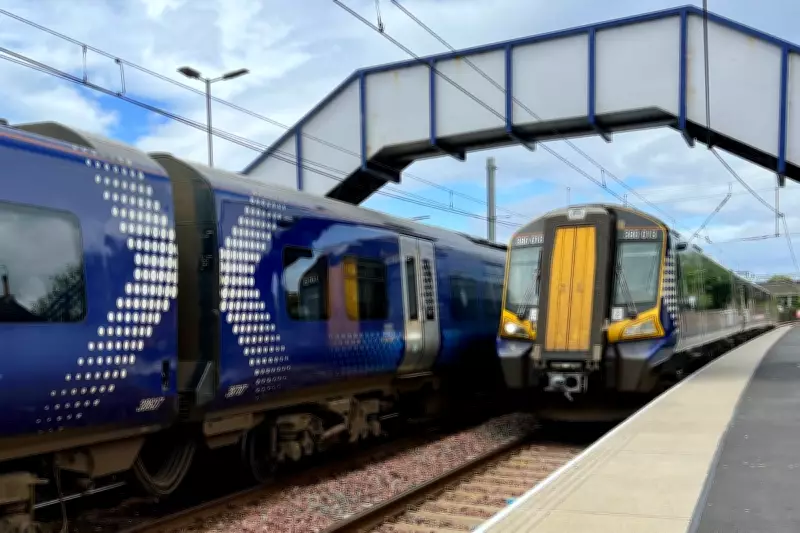
ScotRail, Scotland's national train operator, has announced a new £10 minimum fare aimed at curbing widespread ticket fraud, which currently results in losses exceeding £30,000 per day. This initiative targets passengers who deliberately avoid purchasing tickets before boarding, with the goal of reducing antisocial behaviour and ensuring fairness for honest commuters.
Addressing a Significant Financial Drain
According to recent data, ScotRail loses an estimated £11 million annually due to fare dodgers, equating to over £30,000 each day. The operator found that one in 27 passengers travels without a ticket, with ticketless travel peaking in April 2022 when one in 11 passengers failed to pay in advance. Research indicates that nine out of 10 fare dodgers could have bought a ticket from a station machine, and in three out of four cases, the ticket office was open at the time of travel.
Implementation and Exceptions
The £10 minimum charge will take effect in July, following a three-month information campaign to educate customers. ScotRail emphasizes that the tariff applies only to those who purposefully do not buy a ticket before boarding, noting that some fares are as low as £3 return. Exceptions will be made when a station's ticket office is closed and no ticket vending machine is available. If a machine is present but does not accept cash, passengers must obtain a "promise to pay" ticket to use notes and coins.

Broader Impacts and Official Statements
In its statement, ScotRail highlighted that the policy is anticipated to help reduce antisocial behaviour on the railway, often linked to a small minority travelling without tickets. Phil Campbell, ScotRail's customer operations director, stated, "The introduction of a minimum fare will target the small number of customers who don’t buy a ticket before they travel, ensuring fairness for honest, fare-paying ScotRail passengers. Every pound lost through fraudulent travel is money that would have been reinvested into the railway."
He added that with increased staff, enhanced station checks, and improved data analysis, instances of ticket fraud are decreasing year-on-year. Scottish transport secretary Fiona Hyslop supported the move, saying, "This minimum fare policy will act as a further deterrent to those who try to purposely evade paying for a ticket. It seeks to protect the significant investment in Scotland’s Railways while allowing for customer education on the new policy."
Context and Future Outlook
The policy follows a recent fares freeze implemented to assist with the cost of living, supported by Scottish government funding to ensure ScotRail services remain sustainable. By targeting fare dodgers, ScotRail aims to safeguard financial resources for reinvestment in railway infrastructure and services, promoting a more secure and equitable travel environment for all passengers.