New UK Travel Regulations for Dual Nationals: What You Need to Know
Starting from 25 February 2026, significant changes to UK travel rules will impact millions of British citizens with dual nationality. The Home Office has announced that dual nationals will no longer be permitted to enter the UK using a foreign passport, even if it is from a country that typically does not require a visa for short visits. This shift marks the end of a long-standing practice and introduces new requirements for proof of British citizenship.
Key Changes and Enforcement Details
Under the new regulations, British dual citizens must travel to the UK using one of the following documents: a valid British passport, a valid Irish passport, or any other valid passport accompanied by a "certificate of entitlement." This certificate, also known as a "certificate showing right of abode," comes with a hefty fee of £589. The change is part of the UK's broader implementation of the Electronic Travel Authorisation (ETA) system, designed to enhance border security and streamline immigration processes.
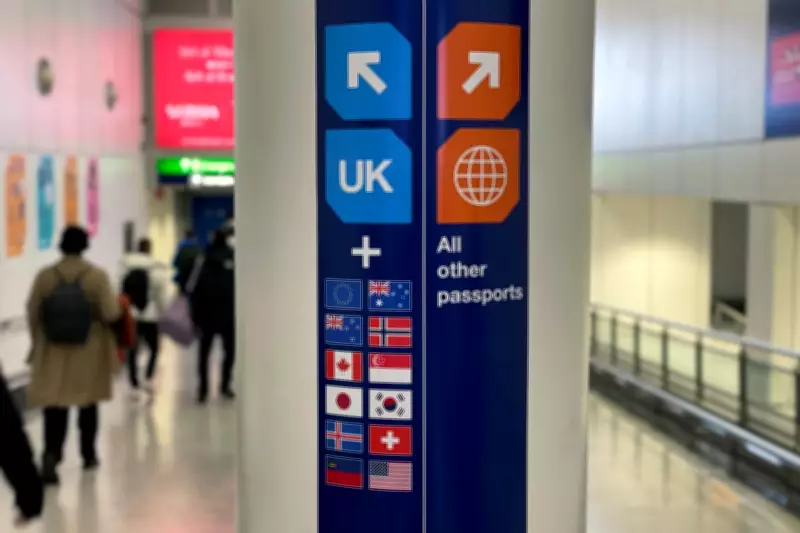
Currently, dual nationals from non-visa countries, such as those in the European Union, Schengen area, Australia, Canada, Japan, New Zealand, Singapore, South Korea, and the US, can enter the UK for up to six months without formalities using their foreign passports. However, from the enforcement date, airlines and shipping operators will deny boarding to individuals who cannot provide the required documentation, as they will have no legal way to demonstrate their entitlement to enter the UK.

Options and Challenges for Affected Travellers
For British dual nationals, the most cost-effective option is to obtain a British passport, which costs £94.50 and typically takes about three weeks to process within the UK. However, for those living abroad, processing times may be longer. In emergency situations, travellers can apply for an emergency travel document at a cost of £125, valid for a single trip to the UK.
The new rules also raise concerns for individuals who are British citizens by descent but have never held a UK passport. While the strict interpretation of the law requires them to declare their nationality and obtain a passport or certificate, in practice, many may attempt to apply for an ETA without issue. However, this carries risks, as highlighted by data expert Dr Nick Brown, who warns that inconsistencies in documentation could lead to complications at border control.
Practical Advice for Dual Nationals
When returning to their country of residence, dual nationals should use their foreign passport to avoid complications, as there are no passport checks when departing the UK. Airlines may have varying policies regarding the use of different documents for outbound and return travel, so it is advisable to check with the carrier and update passport details during check-in if necessary.
For travel before 25 February 2026, the Home Office confirms that dual nationals can still use their valid foreign passports to enter the UK without an ETA or certificate, provided they arrive by 24 February 2026. After this date, the new rules will be fully enforced, aligning with the ETA system's goal of creating a more digital and secure border environment.
Irish passport holders remain unaffected by these changes, enjoying continued freedom of movement between the UK, EU, and Schengen area without additional documentation requirements.