Drain Doctor, a UK drainage and plumbing service, has issued a strong warning to households: never pour coffee grounds down the sink drain. The company says this common habit can 'wreak havoc' on drainage systems, as coffee grounds are not fully water-soluble and can accumulate over time, leading to blockages.
Why Coffee Grounds Are a Problem
In a tips article on its website, Drain Doctor listed coffee grounds among the top 10 items that should never go down the drain but often do. The company stated that 'coffee grounds are thought to be one of the biggest offenders' when it comes to blocking drains, alongside fats, oils, and grease (FOG). 'Though it might seem innocent enough to let coffee grounds go down the drain, they can wreak havoc on your drainage systems since they aren’t totally water soluble,' the article added. 'Over time, coffee grounds can build up and clog drains – this is made all the more likely if you are also pouring FOG down drains.'
Better Alternatives for Used Coffee Grounds
Instead of rinsing them down the sink, Drain Doctor recommends composting used coffee grounds. According to the Royal Horticultural Society (RHS), coffee grounds are beneficial for soil enrichment as they contain organic compounds and nutrients like nitrogen, phosphorus, potassium, and magnesium. The most planet-friendly solution, according to Drain Doctor, is to add used coffee grounds to a home compost bin or kitchen food waste caddy.

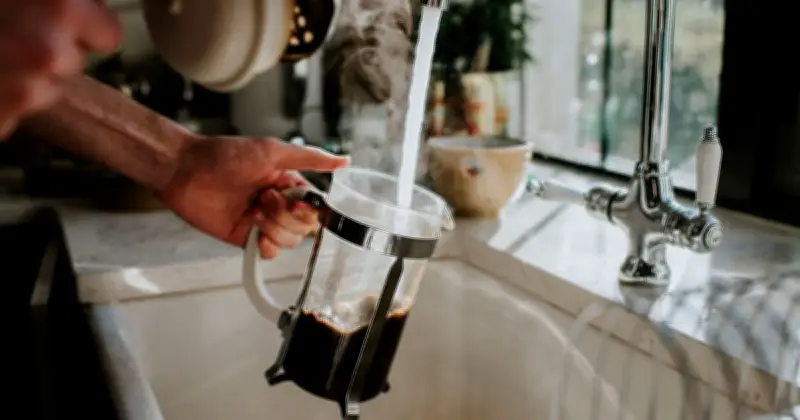
Many UK households use cafetieres to make coffee, which leaves a mound of grounds after brewing. While it may be tempting to rinse the cafetiere under the tap and let the grounds wash away, this practice can lead to costly plumbing issues over time.